Warning: This article contains details that readers may find distressing
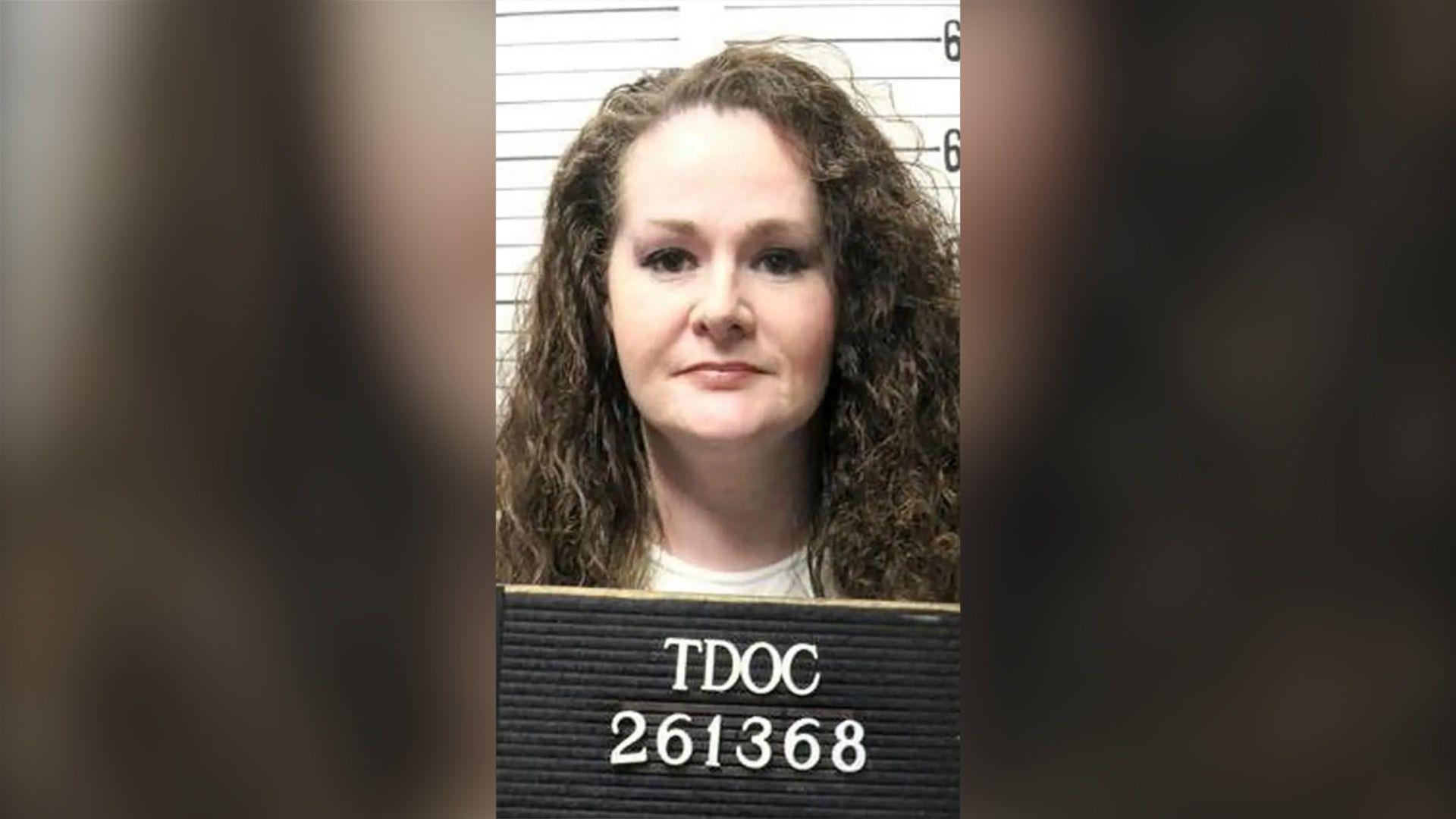
Christa Pike, a 50‑year‑old inmate on Tennessee’s death row, was left unconscious, intubated and on a ventilator on Thursday night after authorities failed to execute her by lethal injection, her legal team says.
Pike received two lethal doses of pentobarbital on Wednesday, but she remained alive. She was then transported to a Nashville‑area hospital in an ambulance for emergency care.
Pike’s attorneys are suing for a commutation of her death sentence following the botched attempt. They filed an emergency motion to preserve “any and all evidence” related to the incident.
Hospital staff are working to remove the drug from her system and to stabilize her condition, according to the filing.
During the execution attempt, prison officials tried to start IV lines by using at least seven needles on Pike, according to her lawyers. At one point, Pike herself guided the officials toward veins that appeared easier to access.
An execution team member reportedly removed a bent needle at a 90‑degree angle. Throughout the process, Pike was heard crying, whimpering and breathing loudly, the lawyers noted.
Governor Bill Lee ordered an independent review into the failed execution and halted all state executions for the year.
The Tennessee Department of Corrections defended its methods, stating the protocol does not allow for additional procedures beyond what was carried out.
Officials have not yet disclosed a reason for the failure or whether another execution will be attempted.
Medical experts explain that Pike’s condition—thrombocytosis, a blood‑clotting disorder—and her small veins may have prevented the drug from entering her bloodstream, potentially leading to the botched execution.
Anaesthesiologist Dr. Joel Zivot, advising Pike’s defense, argued that the pentobarbital could have spread subcutaneously rather than intravenously, and that her blood clots may have blocked the drug’s entry into circulation.
Pike was convicted of murdering 19‑year‑old Colleen Slemmer in 1995, a crime that shocked Knoxville. She was sentenced to death in 1996 after a media‑fueled trial.
Her boyfriend, then‑17‑year‑old Tadaryl Shipp, was also charged but received a life sentence with the possibility of parole.
The case underscores the broader debate over lethal injection protocols, sentencing practices, and the moral implications of the death penalty in the United States.