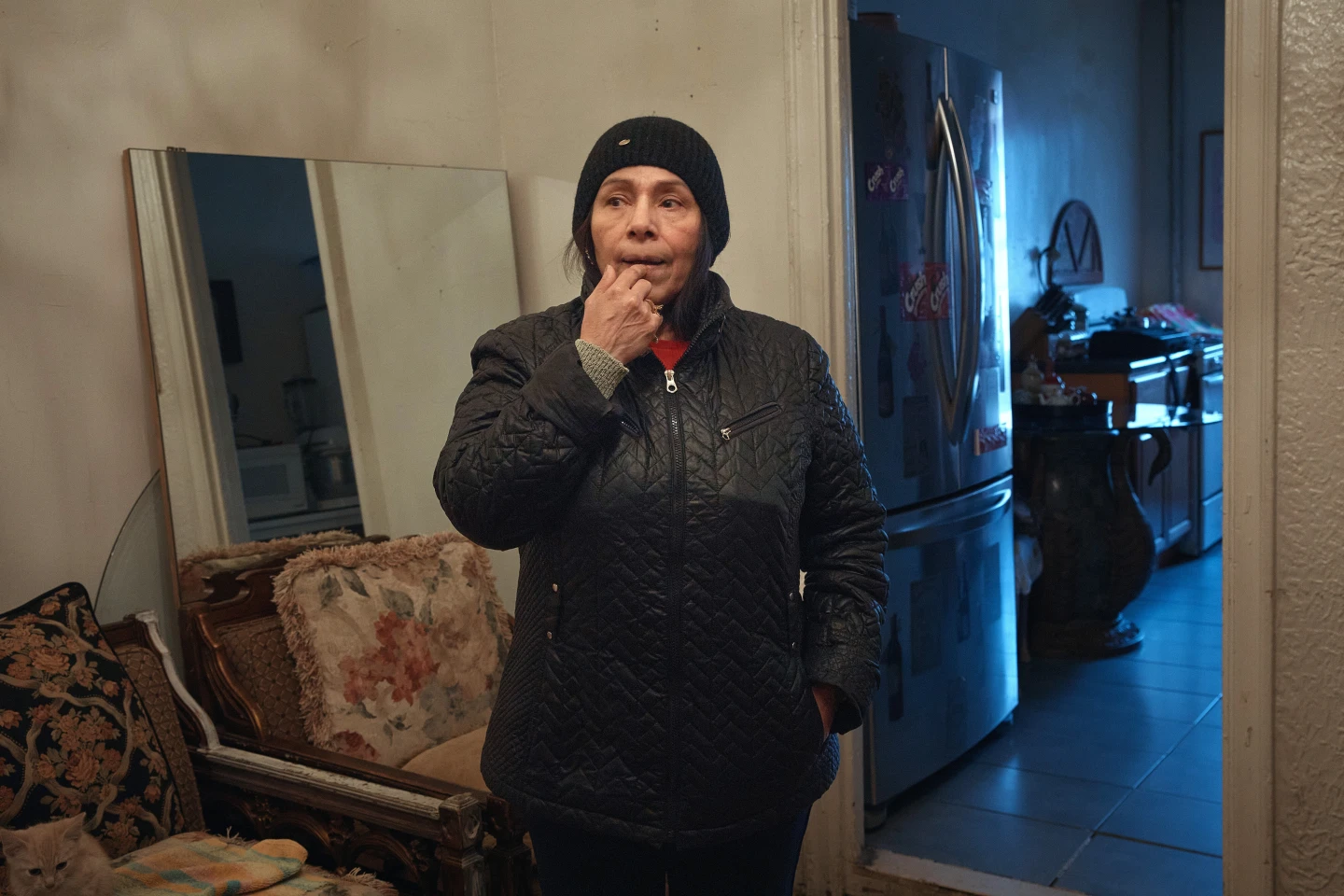
NEW YORK (AP) — On a recent weeknight, three tenants of an aging Bronx building were trading apartment horror stories inside a packed ballroom lined with city bureaucrats. The occasion was the third in a series of “rental rip-off hearings,” a new forum launched by New York Mayor Zohran Mamdani for disgruntled renters to air their complaints directly to housing officials — and in some cases, the mayor himself. As she waited in line, Gulhayo Yuldosheva said she worried that noxious mold in her apartment had worsened her child’s asthma. Nearby, her downstairs neighbor, Marina Quiroz, was showing a video of rats scurrying through her kitchen to a representative of the city’s tenant protection office. Ann Maitin, a longtime resident of the same building, had just met with the mayor. “He let me go over my three minutes,” she said, holding up a spiral notebook’s worth of grievances.
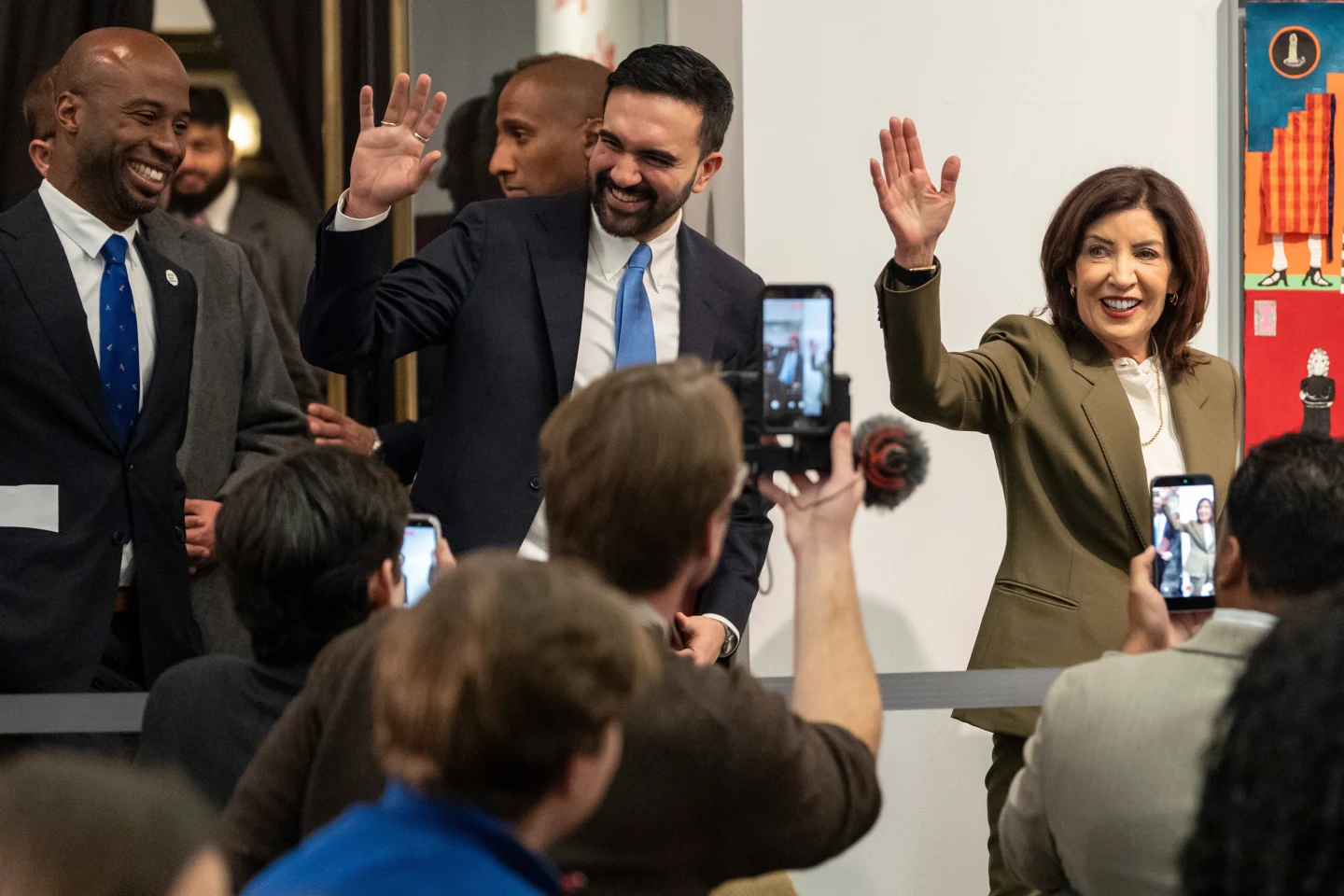
Mamdani, a democratic socialist swept into office on a promise of zealous tenant advocacy, framed the event as a struggle session for renters, assuring the standing room only crowd that their stories would guide the city’s efforts “to actually hold landlords accountable when they don’t follow the law.” To the residents of 705 Gerard Avenue, this raised a practical problem: No one seemed to know who actually owned their building. “It feels like such a basic question,” said Maitin, a retired Verizon technician who recently organized the building’s tenant association. “You’d think we’d have the right to that information.”
Their situation is hardly unique. As corporate owners and investor groups have grown their share of the rental market in New York City, they are increasingly shielding their identities behind limited liability companies, or LLCs. The practice, which has also been spreading nationally, is legal. But experts warn it could complicate Mamdani’s promised crackdown, making it harder for the city and tenants to track the chronically negligent owners whose buildings the mayor has vowed to target and even seize.
Mamdani has proposed using such fines as a vehicle to bring distressed rental properties under city stewardship, by aggressively pursuing liens on delinquent landlords and buying up their portfolios through foreclosure auctions. Yet, many tenants worry that despite the promises of accountability and oversight, systemic issues remain firmly in place, as seen in comments from local housing advocates. As Maitin left the hearing, however, she felt a sense of hope, noting that improvements began after the event—with maintenance workers actively addressing issues in her building. 'I think they caught wind of the rental rip-off,' she said. 'They’re scared.'
Mamdani, a democratic socialist swept into office on a promise of zealous tenant advocacy, framed the event as a struggle session for renters, assuring the standing room only crowd that their stories would guide the city’s efforts “to actually hold landlords accountable when they don’t follow the law.” To the residents of 705 Gerard Avenue, this raised a practical problem: No one seemed to know who actually owned their building. “It feels like such a basic question,” said Maitin, a retired Verizon technician who recently organized the building’s tenant association. “You’d think we’d have the right to that information.”
Their situation is hardly unique. As corporate owners and investor groups have grown their share of the rental market in New York City, they are increasingly shielding their identities behind limited liability companies, or LLCs. The practice, which has also been spreading nationally, is legal. But experts warn it could complicate Mamdani’s promised crackdown, making it harder for the city and tenants to track the chronically negligent owners whose buildings the mayor has vowed to target and even seize.
Mamdani has proposed using such fines as a vehicle to bring distressed rental properties under city stewardship, by aggressively pursuing liens on delinquent landlords and buying up their portfolios through foreclosure auctions. Yet, many tenants worry that despite the promises of accountability and oversight, systemic issues remain firmly in place, as seen in comments from local housing advocates. As Maitin left the hearing, however, she felt a sense of hope, noting that improvements began after the event—with maintenance workers actively addressing issues in her building. 'I think they caught wind of the rental rip-off,' she said. 'They’re scared.'