Antonio Bustamante has kept a watercolor of labor leader César Chavez for more than 35 years, hanging it on the wall of his law office in Yuma, Arizona. As a young man, he was moved by Chavez and helped organize workers before joining his security team.
However, like many others, Bustamante now grapples with the complex reality of reconciling the man he once admired with recent allegations that Chavez groomed and sexually abused women and young girls.
“I’m trying to figure out how emotionally and intellectually I’ll be able to understand my perception of him as an extremely good man,” Bustamante expressed. “It’s heartbreaking.”
Chavez garnered a national reputation for organizing farmworkers and co-founding the United Farm Workers alongside Dolores Huerta, also a victim of his alleged abuses. Together, they pressured growers to negotiate better wages and conditions for Mexican American workers via hunger strikes and boycotts.
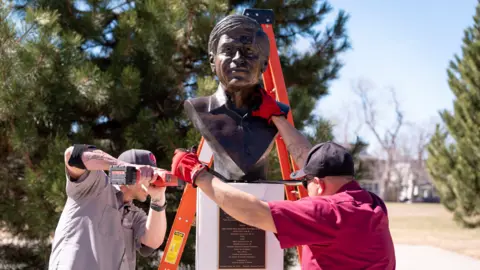
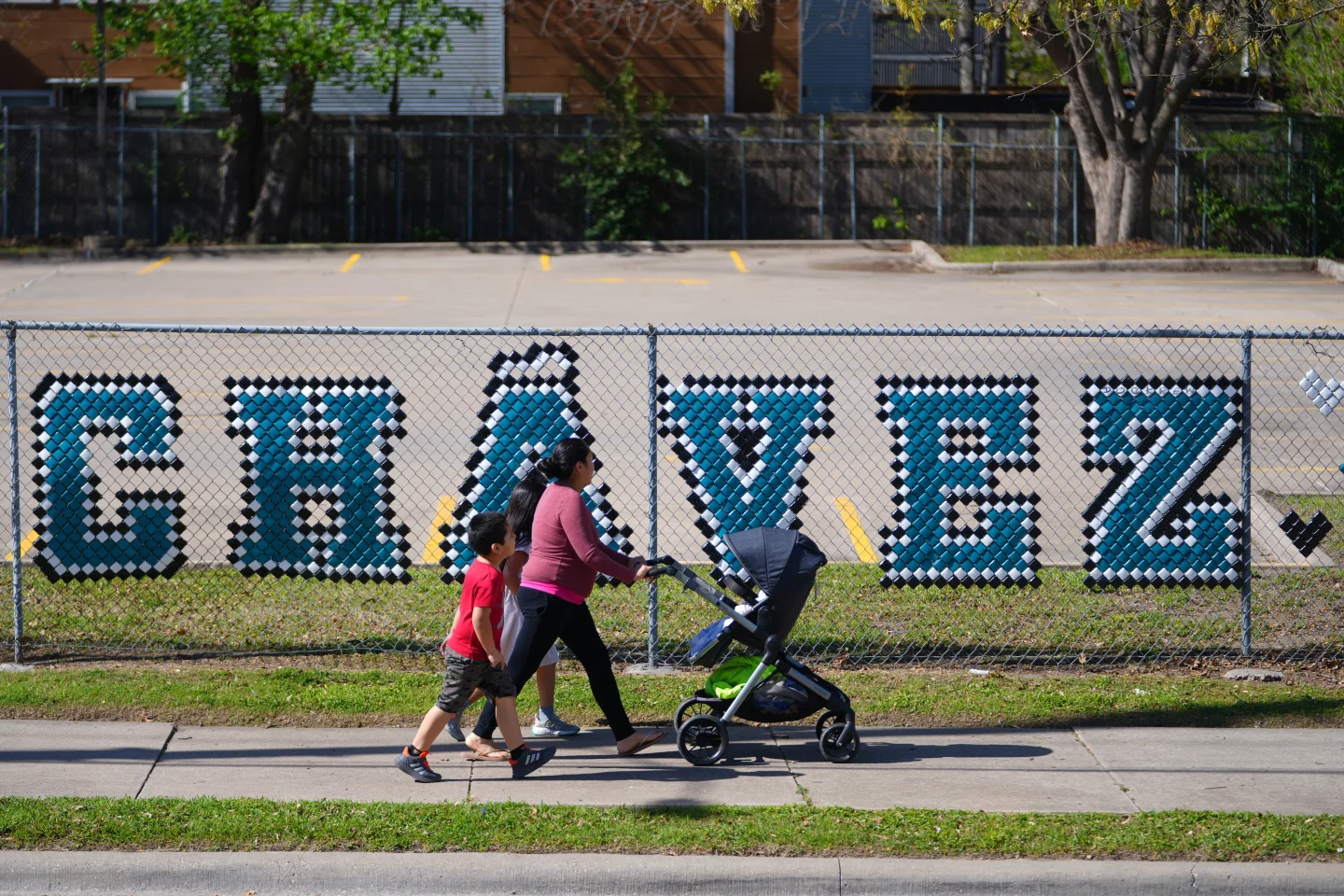
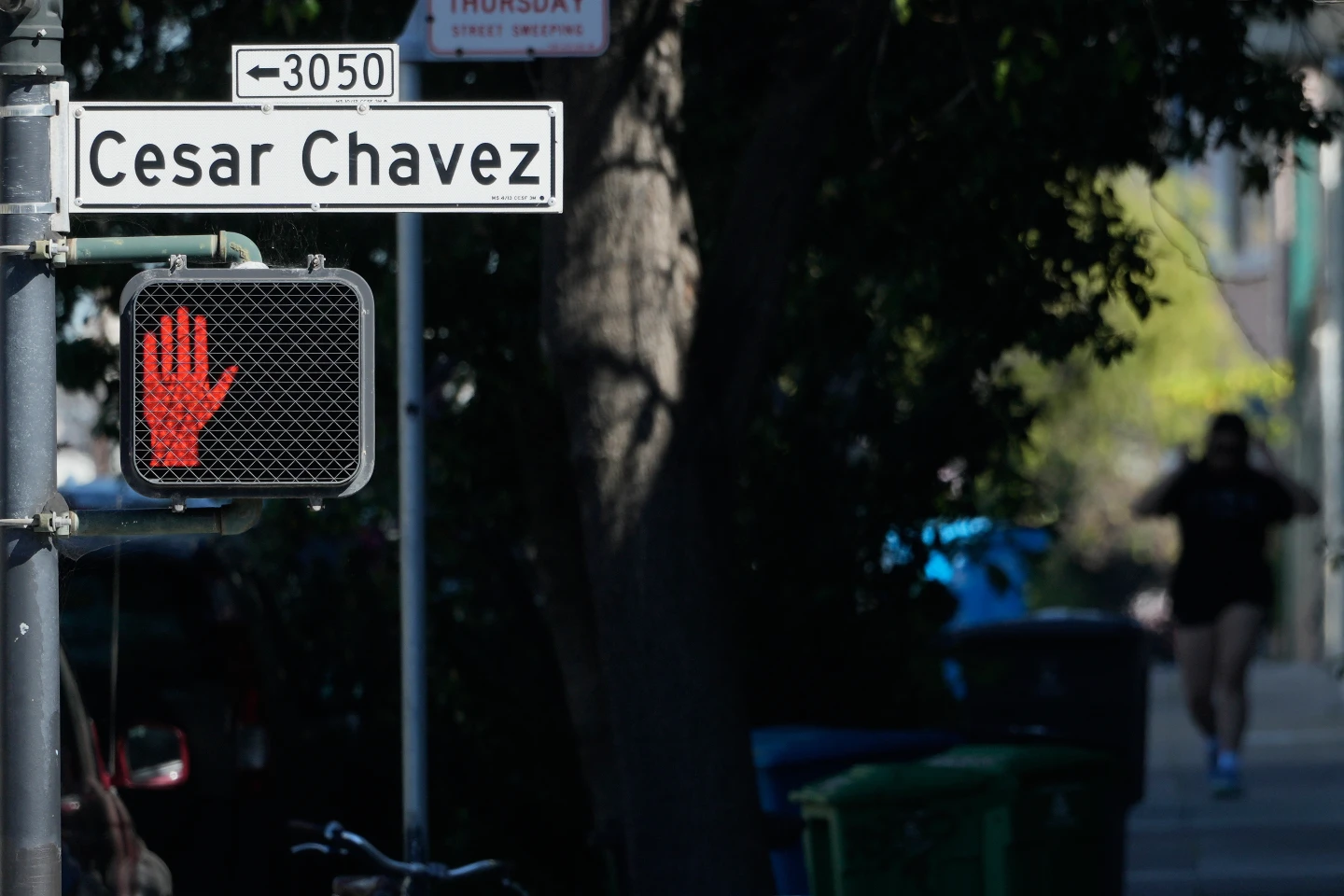
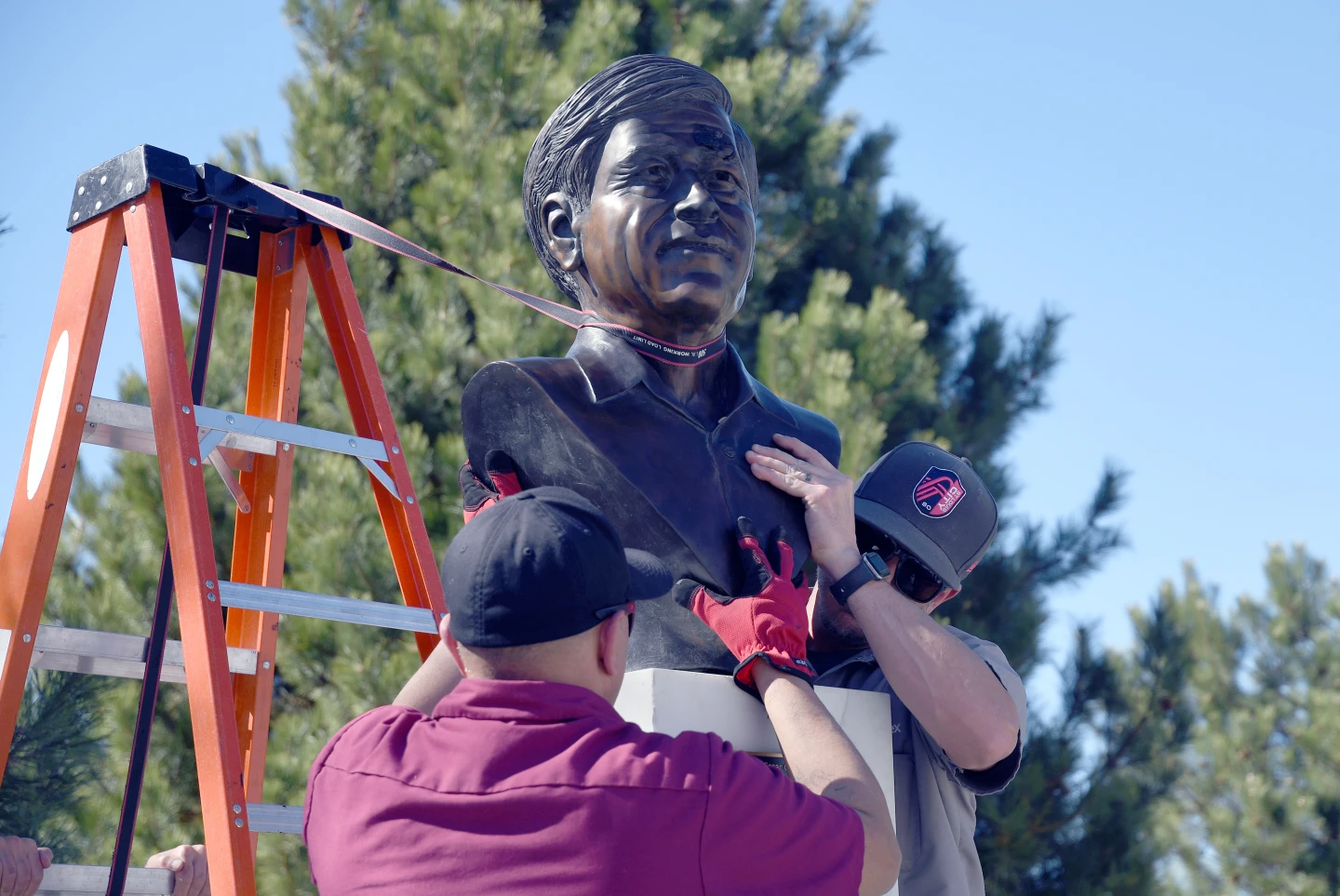
Since the New York Times report, which revealed these allegations, communities and rights groups across the country are reconsidering Chavez's legacy. His name and image have already been removed from various public monuments and murals.
Reckoning with a Legacy
Bustamante learned of the allegations through a friend, recalling the devastation it would bring to others who revered Chavez. “We were looked down upon by society, we were Mexicans,” he said, reminiscing about seeing Chavez speak at a hunger strike in 1972. “He gave us worth.”
In Bustamante’s community, eliminating images of Chavez feels akin to renouncing Catholicism and removing photographs of the pope.
One Person Does Not Make A Movement
Activists highlight that Chavez's legacy should not be overshadowed by his alleged misconduct. Teresa Romero, president of the United Farm Workers, noted, “On one hand, we have César Chavez, the man who committed horrible acts. On the other hand, we have the organizer who profoundly improved lives.”
Sehila Mota Casper, executive director of Latinos in Heritage Conservation, emphasized the importance of recognizing the collective effort behind the farmworker movement rather than focusing solely on one individual.
Dismantling a Man, Preserving History
The allegations against Chavez have led to significant public action, including the removal of his statues and the cancellation of celebrations, such as the federal César Chavez Day on March 31. Political leaders from both parties have voiced their disapproval, posing a challenge to Chavez's previously exalted status.
Paul Ortiz, a labor history professor at Cornell University, insisted that the essence of social movements—rooted in collective action—remains unchanged despite these allegations. He believes Chavez will forever carry an asterisk next to his name in history.
“Does that take away from the greatness of his accomplishments? No,” Bustamante concluded. “But can we look past that to honor him? That’s the tough part.”