In brief
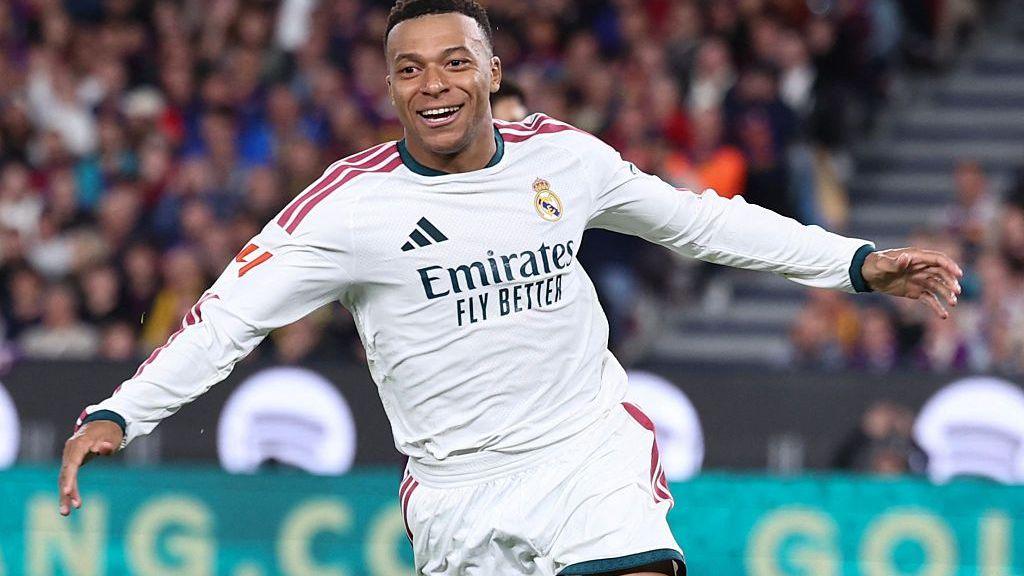
A viral meme featuring an impersonation of late Chinese leader Mao Zedong was shared by 89-year-old talk show host on a popular French program. The clip, never named it directly, led to a nationwide backlash and forced several Chinese companies to sever ties with French football star Kylian Mbappé. State media noted that the remarks angered Chinese citizens, and the government warned that words that hurt national sentiment would be met with opposition. Dongqiudi, a major football forum, called the comments inappropriate, and the Chinese foreign ministry added that hurt feelings should not be tolerated. Even CCTV postponed La Liga coverage and removed all content featuring the striker as the controversy unfolds.
Chinese consumer brands are pulling French soccer star Kylian Mbappé from ambassador roles after a meme featuring the late founder of the People’s Republic was shared on a popular talk show.
The clip, which includes a digital overlay of Mbappé’s face on an image resembling Mao Zedong, was posted on the French program The Bridge. The show’s producer marked the meme as a joke that the host had often used with friends, but the content sparked widespread indignation on Chinese social media.
Several major Chinese firms have announced that they will terminate their contracts with the player. Eastroc Beverage, the country’s largest dairy producer, stated it has “zero tolerance policy towards any words or actions that offend national sentiments.” Mengniu added that it “firmly opposes any words or actions that hurt the feelings of the Chinese people.” Drinks giant Dongpeng echoed similar sentiment in a statement.
- Eastroc Beverage: “Zero tolerance policy towards words or actions that hurt national sentiments.”
- Mengniu: “Firmly opposes any words or actions that hurt the feelings of the Chinese people.”
- Dongpeng: “Zero tolerance policy towards any behaviour that offends national sentiments.”
The Chinese foreign ministry also weighed in, with spokesperson Lin Jian noting that the country “has noted the relevant reports” and that words and deeds that hurt Chinese feelings “will naturally be met with opposition from all sectors of society.”
Dongqiudi, a popular football forum, declared the comments “inappropriate” and “hurt the feelings of Chinese people,” refusing to translate the remarks. Commenters on Weibo called for greater respect from international public figures, warning that national sentiment must never be taken lightly.
The incident came at a time when Mbappé’s popularity in China is at its peak, with a record number of endorsements and a significant commercial presence across the country. The backlash grew rapid; CCTV is reportedly suspending La Liga broadcasts, and the state‑owned newspaper The Global Times has removed content featuring the striker from its news apps.
Mao Zedong is a polarising figure. He founded Communist China in 1949 and led a campaign of rapid industrialisation that caused widespread famine in the 1960s, and a violent Cultural Revolution that targeted perceived enemies of the Party. The Chinese Communist Party still promotes his legacy as an irreplaceable national icon, which explains the intensity of the reaction to any perceived slight.
Mbappé, who joined Real Madrid in August 2024, has earned the nickname “the dictator” for his strong influence over club and national team operations. The nickname has spawned a plethora of memes, and the player has previously defended the humor while acknowledging that such jokes can reveal a lack of political awareness.
While the player and the talk show have yet to comment publicly, the controversy is already reshaping commercial strategy in China and highlighting the fine line that global sports stars must walk in politically sensitive markets.