In brief
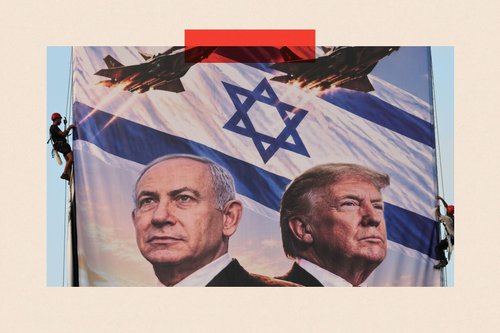
Israel’s recent election is the most consequential since the October 2023 Hamas attacks that triggered widespread regional unrest. The vote marks the first parliamentary process in a charged security climate, stretching across Gaza, Iran, Lebanon, Syria and Yemen. Reuters‑style analysis by BBC Middle East correspondent Yolande Knell highlights why forming a coalition can take months, with fragmented parties, security concerns and domestic policy divides all playing a role. As voters return to the polls, citizens and observers alike watch for the delicate negotiations that will decide Israel’s political future.
Israelis are voting in what many view as one of the most pivotal elections in the country’s history.
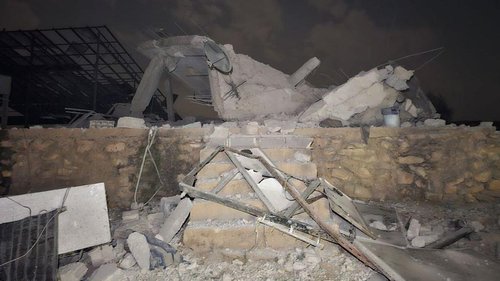
It is the first parliamentary election since the 7 October 2023 Hamas‑led attacks, which sparked conflict across Gaza, Iran, Lebanon, Syria and Yemen.
BBC Middle East correspondent Yolande Knell explains why it may take some time before a new government is formed after the polls close. The post‑election period is fraught with fragmentation: dozens of parties must negotiate a coalition, and each holds a distinct stance on security, economy, and social issues.