The Aviation Funding Solvency Act, along with various other proposals, has emerged as lawmakers push to ensure that federal employees responsible for air traffic control and passenger security receive their pay even during government shutdowns. Despite bipartisan support for initiatives like the Keep America Flying Act and the Keep Air Travel Safe Act, no decisive action has been taken in Congress.
According to Eric Chaffee, a law professor, decision-makers in Congress often ignore the implications of shutdowns once immediate crises have passed. Bills aimed at protecting aviation worker pay have been resubmitted repeatedly, yet public outrage tends to dwindle after the crises end, resulting in stalled legislative efforts.
The political landscape has helped perpetuate this pattern. Following a lengthy government shutdown in 2019 that disrupted holiday travel, several similar bills have been introduced to provide funding stability for aviation personnel, but none have gained traction. “History shows that when the crisis is over, Congress tends to prioritize other issues,” Chaffee noted.
Labor unions, airline executives, and other stakeholders in the aviation sector are increasingly vocal about the need for Congress to accept one of the viable bills aimed at resolving these funding issues. They contend that failing to do so risks the stability of both employees and the larger travel industry.
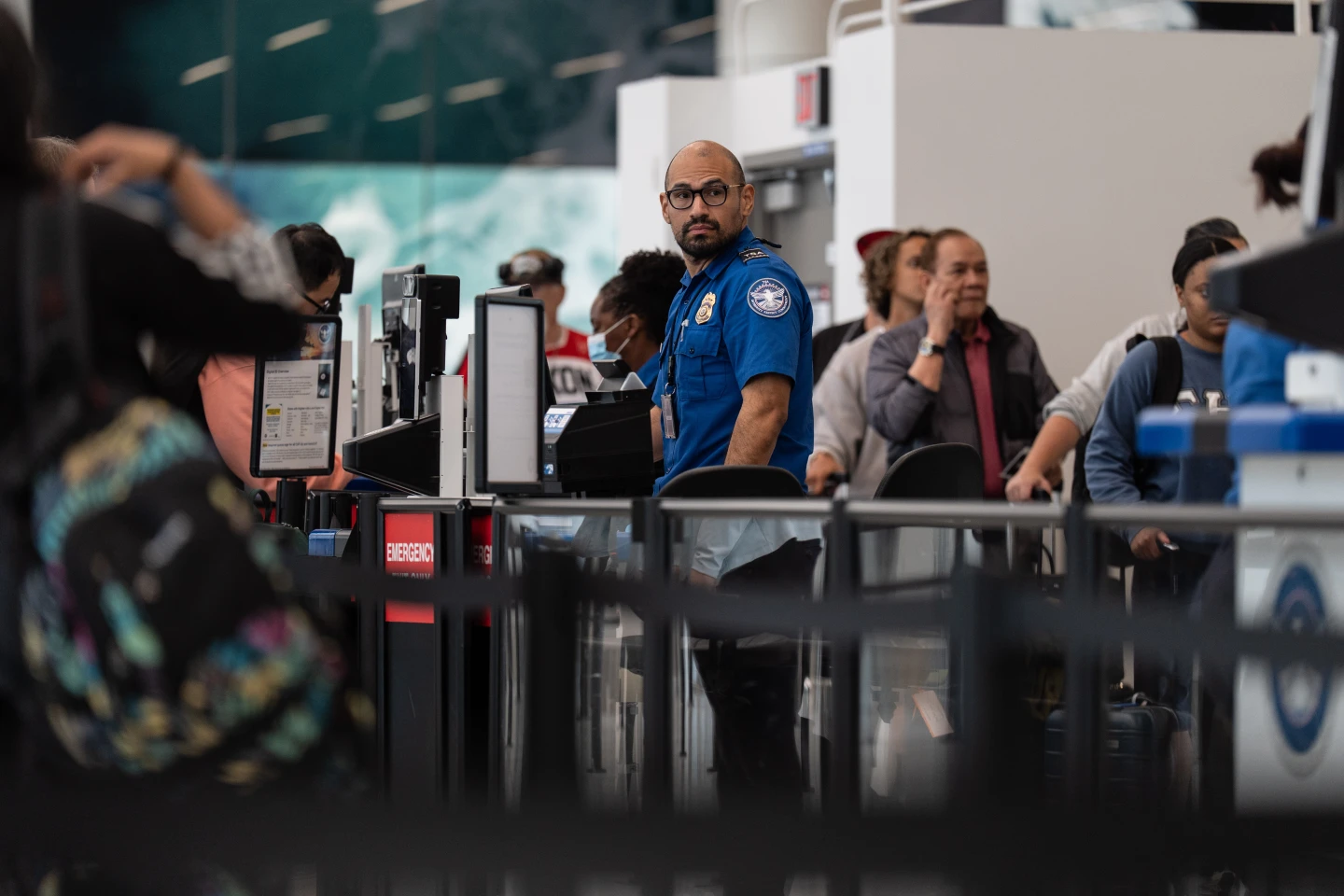
As a 42nd day of a recent government shutdown approached, public and private sector pressure mounted for action to pay TSA agents and air traffic controllers. Many employees faced dire financial situations, with reports of workers missing shifts and struggling to make essential purchases.
Highlighting the urgency of the matter, Caleb Harmon-Marshall, a former TSA officer, emphasized the necessity for long-term solutions. Any remedy that only addresses immediate pay would not suffice to alleviate ongoing financial burdens that employees face.
In light of this recurring legislative gridlock, Chaffee remarked on the polarized state of American politics: “There needs to be overwhelming public support for these bills for any real change to take place.” With many workers eager for assurance or meaningful pay protections, the onus is now on Congress to act decisively.