WASHINGTON (AP) — As the United States was preparing a daring mission to rescue an airman whose fighter jet was shot down by Iran, there was money to be made.
Users on Polymarket, the world’s largest prediction market, could place bets on when the airman would be rescued. When Rep. Seth Moulton, D-Mass., shared a screenshot of the activity on social media, an April 3 rescue was trading at 15% compared with 63% betting on April 4.
After Moulton labeled this as “dystopian death market,” Polymarket halted the betting, citing that it “does not meet our integrity standards.”
Moulton, a former Marine, expressed dissatisfaction with Polymarket’s response and called it “war profiteering,” urging Congress to intervene.
A confrontation is brewing in Washington regarding prediction markets, as these online exchanges allow bets on various outcomes, from sports events to significant geopolitical shifts.
In a highly polarized Congress, defenders argue for the need to regulate the potential misuse of these markets for insider trading. The ethical concerns have drawn widespread attention, prompting bipartisan scrutiny from lawmakers and discussion among notable political figures.
Kristin Johnson, former commissioner at the Commodity Futures Trading Commission, remarked that the issue raises critical questions about market integrity. This is an unusual moment where maintaining oversight of prediction markets seemingly unites lawmakers from both parties.
Concerns regarding legitimacy and accountability have been amplified by reports of well-timed profitable bets made by individuals on Polymarket, leading to fears that these actions might be influenced by insider knowledge of government operations.
Senators Todd Young and Elissa Slotkin introduced a proposal aiming to prohibit federal employees from leveraging nonpublic information for betting on prediction markets, highlighting a growing consensus on the issue.
As part of ongoing scrutiny, the leadership of the Commodity Futures Trading Commission (CFTC) is being closely monitored, with discussions emerging about their capacity to regulate the sprawling prediction market landscape, particularly in relation to accountability.
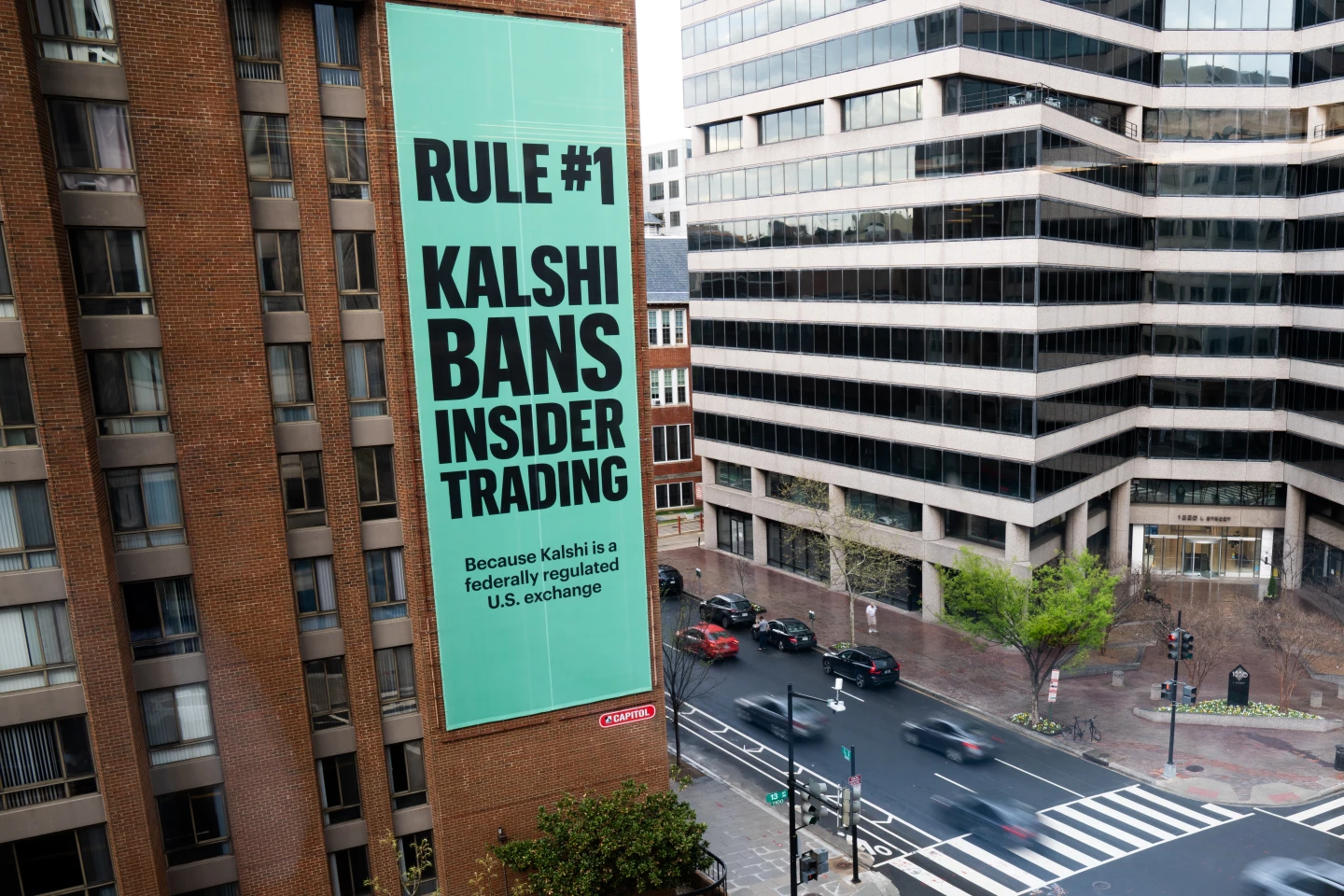
With the rapid proliferation of prediction markets like Polymarket and Kalshi, U.S. regulatory agencies are being compelled to adapt to ensure that market integrity, privacy, and ethical standards are maintained in the face of advancing technology and exceptional circumstances.