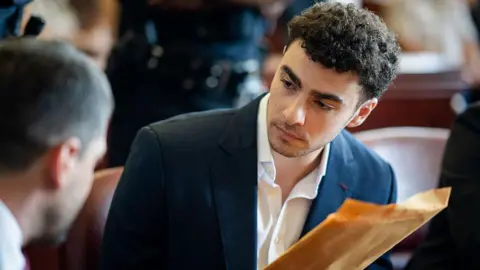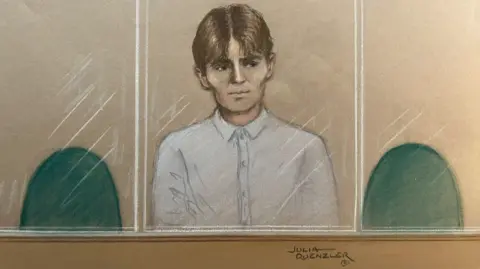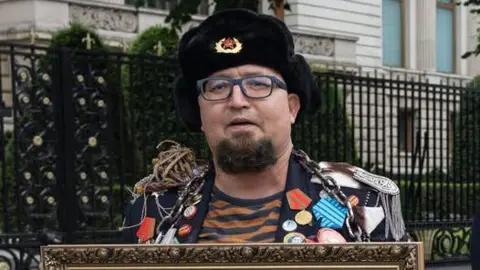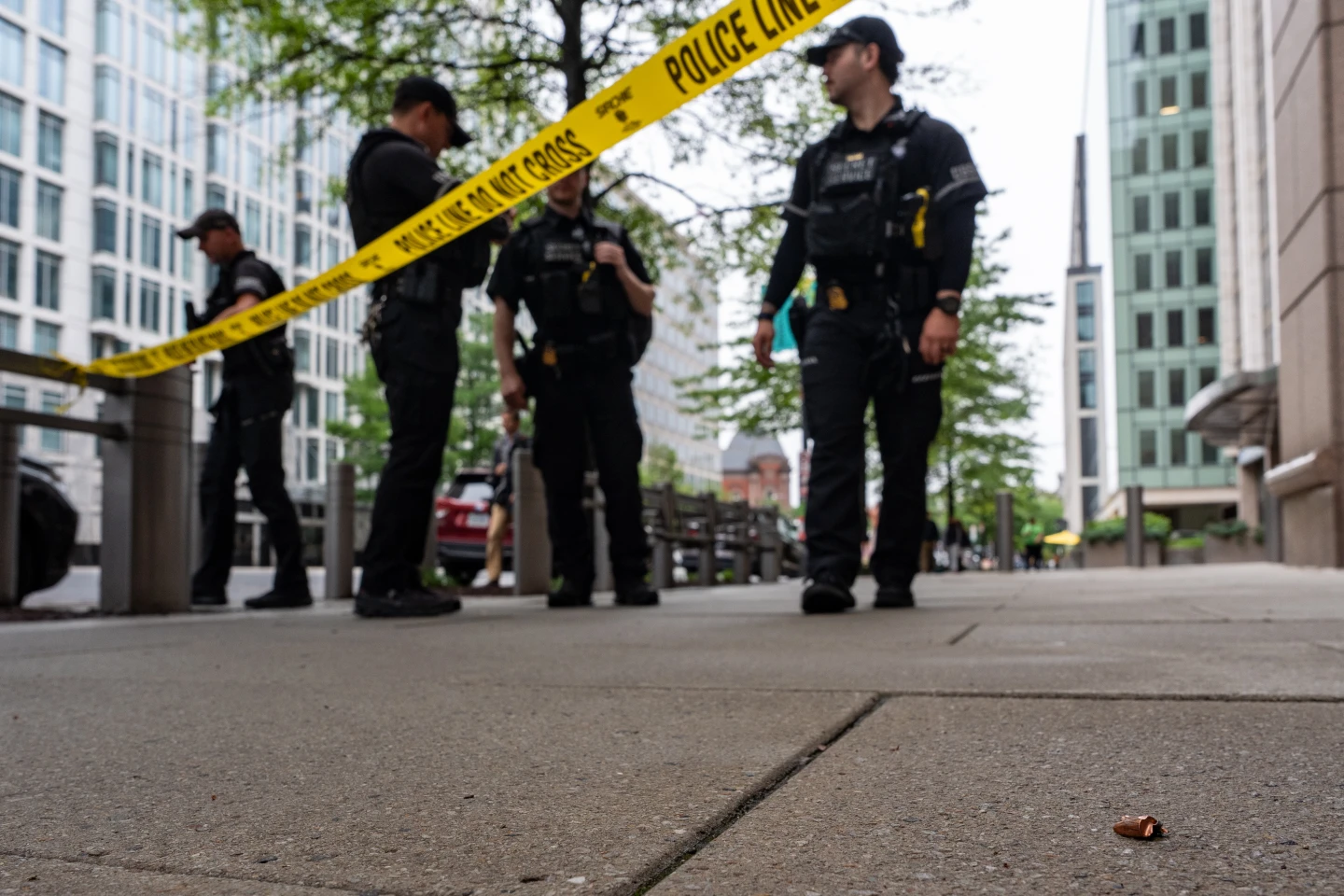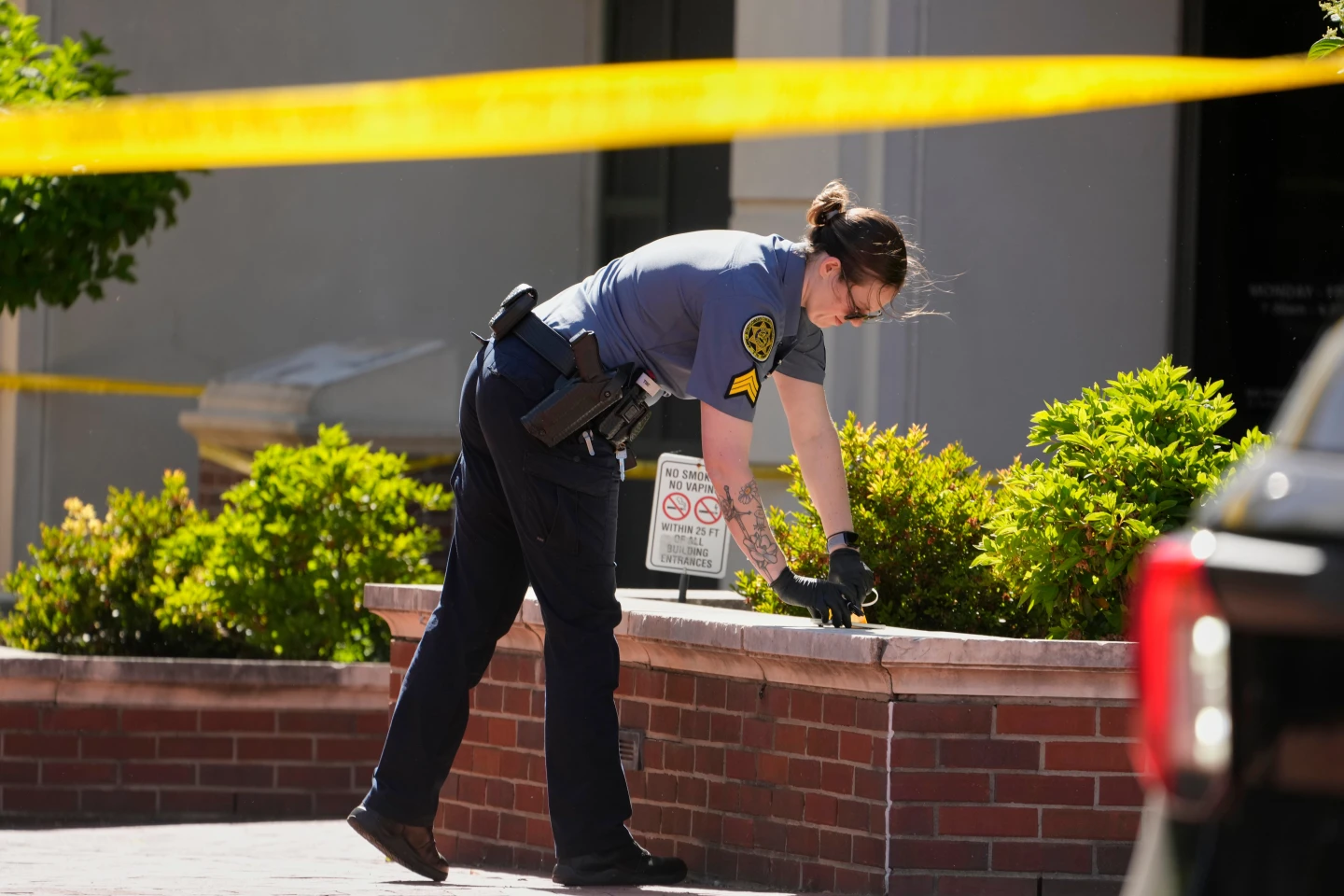
A white livestreamer known for filming himself provoking people with racist words faces charges after allegedly shooting a Black man during a physical altercation outside a Tennessee courthouse, reigniting debate over freedom of speech and content creators who monetize hate-filled interactions. Dalton Eatherly, who goes by 'Chud the Builder,' is accused of attempted murder following the incident in Clarksville, where authorities reported multiple gunshot wounds to the victim—a Black man. The 28-year-old's livestreamed videos, which feature him using racial slurs to provoke reactions, have generated significant revenue, raising ethical questions about the boundaries of online expression.
Eatherly's supporters, including fellow livestreamers, argue his use of 'mild jokes' and 'edgy, harmless humor' is protected under the First Amendment. 'I know it’s controversial, but it’s my right to speak freely,' he wrote on social media, claiming his content is 'unfiltered thoughts.' However, racial justice advocates warn this normalization of hate speech creates real-world danger for Black individuals. 'When you get to terrorizing and doing all this hate speech, that’s when the line gets drawn,' said livestreamer SendaRoni Sloscru. 'The power imbalance with a livestreamer attracting an audience makes this race-baiting, and it puts Black bystanders at immediate risk.'
Legal expert Brandon Tucker of Color of Change explained that while free speech protections exist, they do not shield individuals from real-world harm: 'The same free speech this individual wants to advocate for doesn’t recognize the chilling effect on my response to know that my family’s safety is in jeopardy while being broadcast to an audience that aligns with their views.'
The platforms hosting such content face scrutiny. Pump.fun, where Eatherly streamed, recently reinstated livestreaming after pausing it for violating terms of service. 'It’s not clear what was done to improve that situation before it was reinstated,' said Kate Ruane of the Center for Democracy and Technology. 'If users don’t report issues, you might not get the reports you need for accountability.' Similar controversies emerged with platforms like YouTube and Twitch, which have community guidelines against hate speech but rely heavily on user reporting.
Eatherly's case echoes a 2023 incident where a white Minnesota woman admitted to using racist slurs toward a child and raised $800,000 for legal fees. Experts emphasize that monetizing hate speech perpetuates racial harm. 'Whatever platform is allowing him to get away with that is basically race-baiting,' Sloscru stated, noting that livestreamers like Eatherly often 'try to find people he’d get a reaction out of.'
Legal scholars note the First Amendment does not protect incitement to violence or harassment. 'The reality is that when it involves two private individuals, state law is going to govern,' said UC Irvine Professor Brandon Golob. 'We must distinguish between government censorship and private accountability.'
While free speech advocates defend Eatherly's rights, racial justice organizations argue the situation demands nuanced solutions. 'These platforms cannot claim neutrality if they’re financially rewarding users for using racist language to agitate,' Tucker said. Experts advise viewers to 'film them right back' and share alternative narratives to counter hate speech. 'Make sure that you’re sharing a different version of the story because whatever First Amendment rights they might be exercising, you have them too,' recommended Ruane.
As Eatherly prepares for a bond hearing, the incident underscores a growing global challenge: balancing online expression with the need for safety in digital spaces. With livestreaming platforms increasingly monetizing controversial content, the debate over where free speech ends and hate speech begins continues to evolve.}
Eatherly's supporters, including fellow livestreamers, argue his use of 'mild jokes' and 'edgy, harmless humor' is protected under the First Amendment. 'I know it’s controversial, but it’s my right to speak freely,' he wrote on social media, claiming his content is 'unfiltered thoughts.' However, racial justice advocates warn this normalization of hate speech creates real-world danger for Black individuals. 'When you get to terrorizing and doing all this hate speech, that’s when the line gets drawn,' said livestreamer SendaRoni Sloscru. 'The power imbalance with a livestreamer attracting an audience makes this race-baiting, and it puts Black bystanders at immediate risk.'
Legal expert Brandon Tucker of Color of Change explained that while free speech protections exist, they do not shield individuals from real-world harm: 'The same free speech this individual wants to advocate for doesn’t recognize the chilling effect on my response to know that my family’s safety is in jeopardy while being broadcast to an audience that aligns with their views.'
The platforms hosting such content face scrutiny. Pump.fun, where Eatherly streamed, recently reinstated livestreaming after pausing it for violating terms of service. 'It’s not clear what was done to improve that situation before it was reinstated,' said Kate Ruane of the Center for Democracy and Technology. 'If users don’t report issues, you might not get the reports you need for accountability.' Similar controversies emerged with platforms like YouTube and Twitch, which have community guidelines against hate speech but rely heavily on user reporting.
Eatherly's case echoes a 2023 incident where a white Minnesota woman admitted to using racist slurs toward a child and raised $800,000 for legal fees. Experts emphasize that monetizing hate speech perpetuates racial harm. 'Whatever platform is allowing him to get away with that is basically race-baiting,' Sloscru stated, noting that livestreamers like Eatherly often 'try to find people he’d get a reaction out of.'
Legal scholars note the First Amendment does not protect incitement to violence or harassment. 'The reality is that when it involves two private individuals, state law is going to govern,' said UC Irvine Professor Brandon Golob. 'We must distinguish between government censorship and private accountability.'
While free speech advocates defend Eatherly's rights, racial justice organizations argue the situation demands nuanced solutions. 'These platforms cannot claim neutrality if they’re financially rewarding users for using racist language to agitate,' Tucker said. Experts advise viewers to 'film them right back' and share alternative narratives to counter hate speech. 'Make sure that you’re sharing a different version of the story because whatever First Amendment rights they might be exercising, you have them too,' recommended Ruane.
As Eatherly prepares for a bond hearing, the incident underscores a growing global challenge: balancing online expression with the need for safety in digital spaces. With livestreaming platforms increasingly monetizing controversial content, the debate over where free speech ends and hate speech begins continues to evolve.}