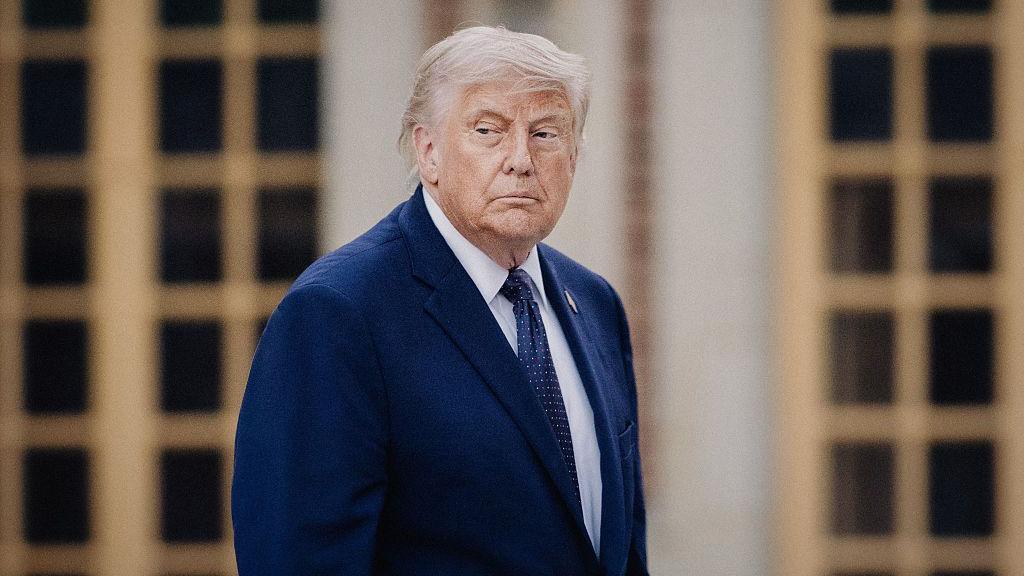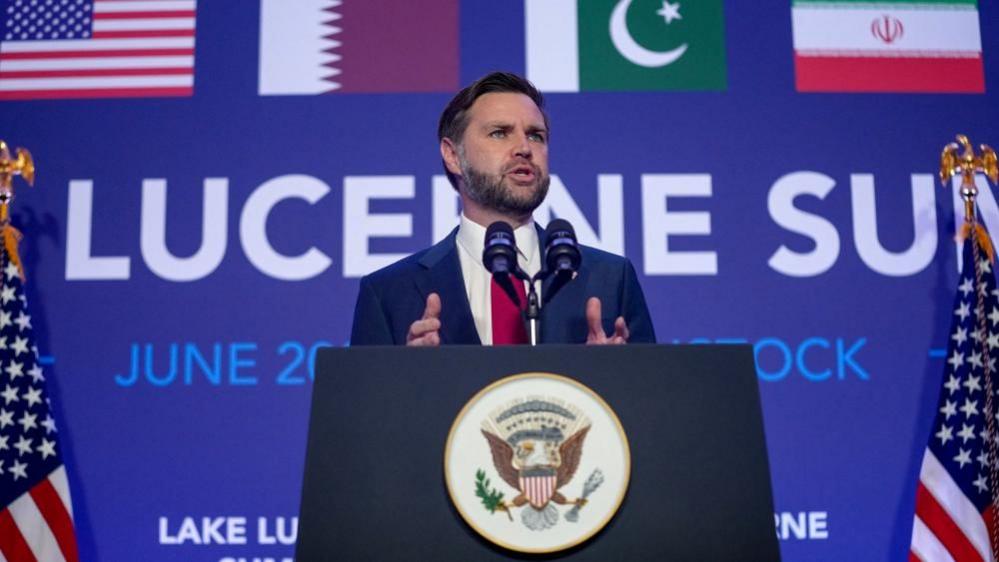
WASHINGTON — The U.S. House prepares to vote Thursday on a resolution compelling President Donald Trump to withdraw from the Iran conflict, a critical test of congressional authority over military actions. Democrats are leveraging the War Powers Resolution of 1973 to challenge Trump’s unapproved military campaign, arguing Congress must assert its constitutional duty to prevent 'open-ended wars of choice.' The vote follows a Senate resolution where four Republican senators joined Democrats, signaling growing bipartisan concerns about legal compliance.
**Political Analysis**
From a Democratic perspective, Rep. Gregory Meeks (N.Y.) frames the resolution as a 'constitutional obligation' to stop what he calls 'cheerleading an open-ended war.' The measure gained support from Rep. Jared Golden (Maine), who initially opposed it but now agrees it addresses legislative oversight. Meanwhile, Republican dissent is emerging: Rep. Brian Fitzpatrick (Pa.) voted for the resolution last week, while Sen. Thom Tillis (N.C.) criticized Defense Secretary Pete Hegseth’s handling of negotiations as 'incompetent,' signaling strategic concerns over the administration’s approach.
Republican leaders like Rep. Brian Mast (Fla.) defend Trump’s 'bold action' against Iran, arguing the U.S. must not 'get hit and walking away.' Yet the party faces internal conflict: while many support Trump’s military posture, the growing legal debate over the War Powers Resolution’s applicability reflects broader concerns about executive overreach.
**Economic and Social Dimensions**
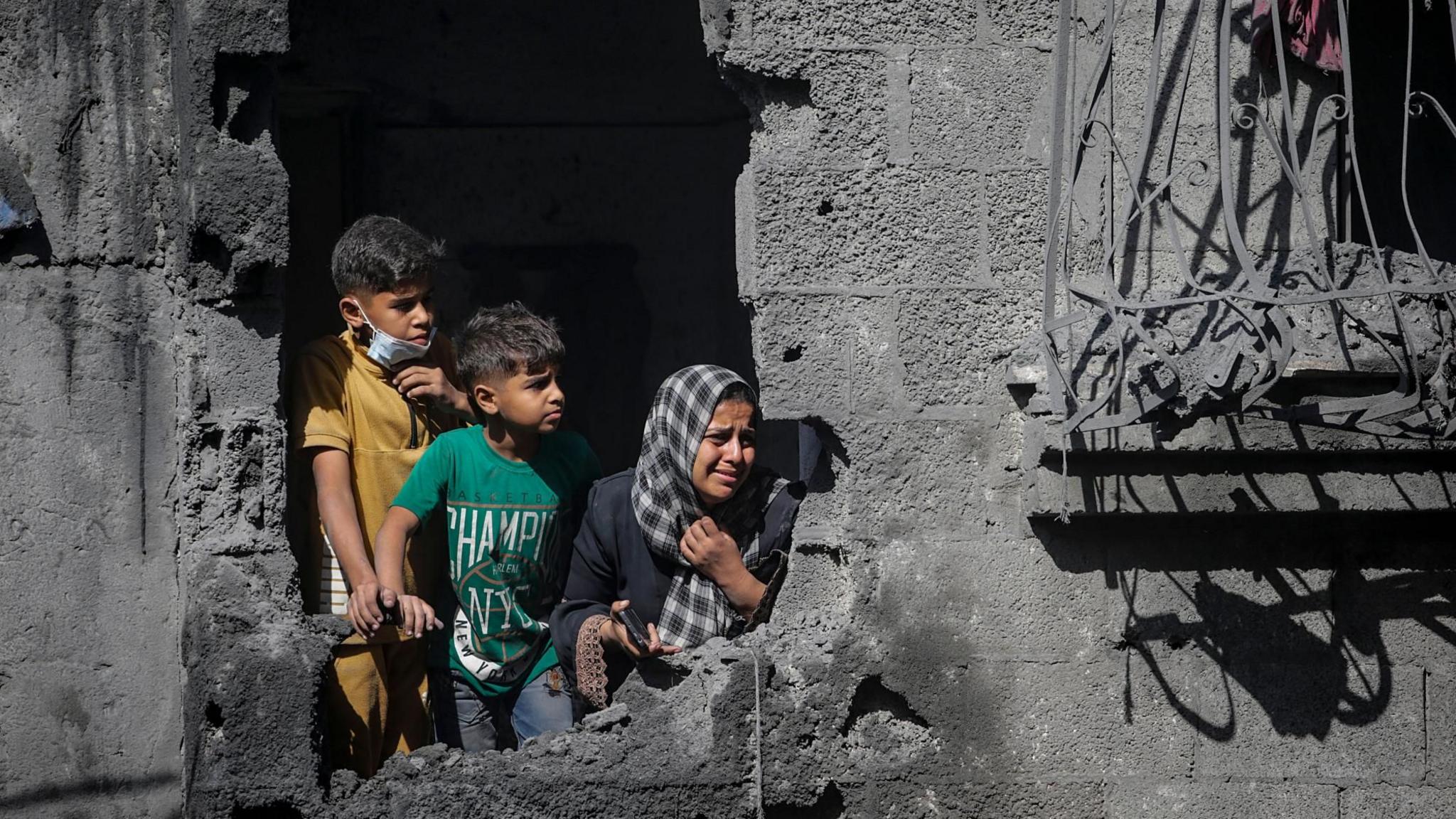
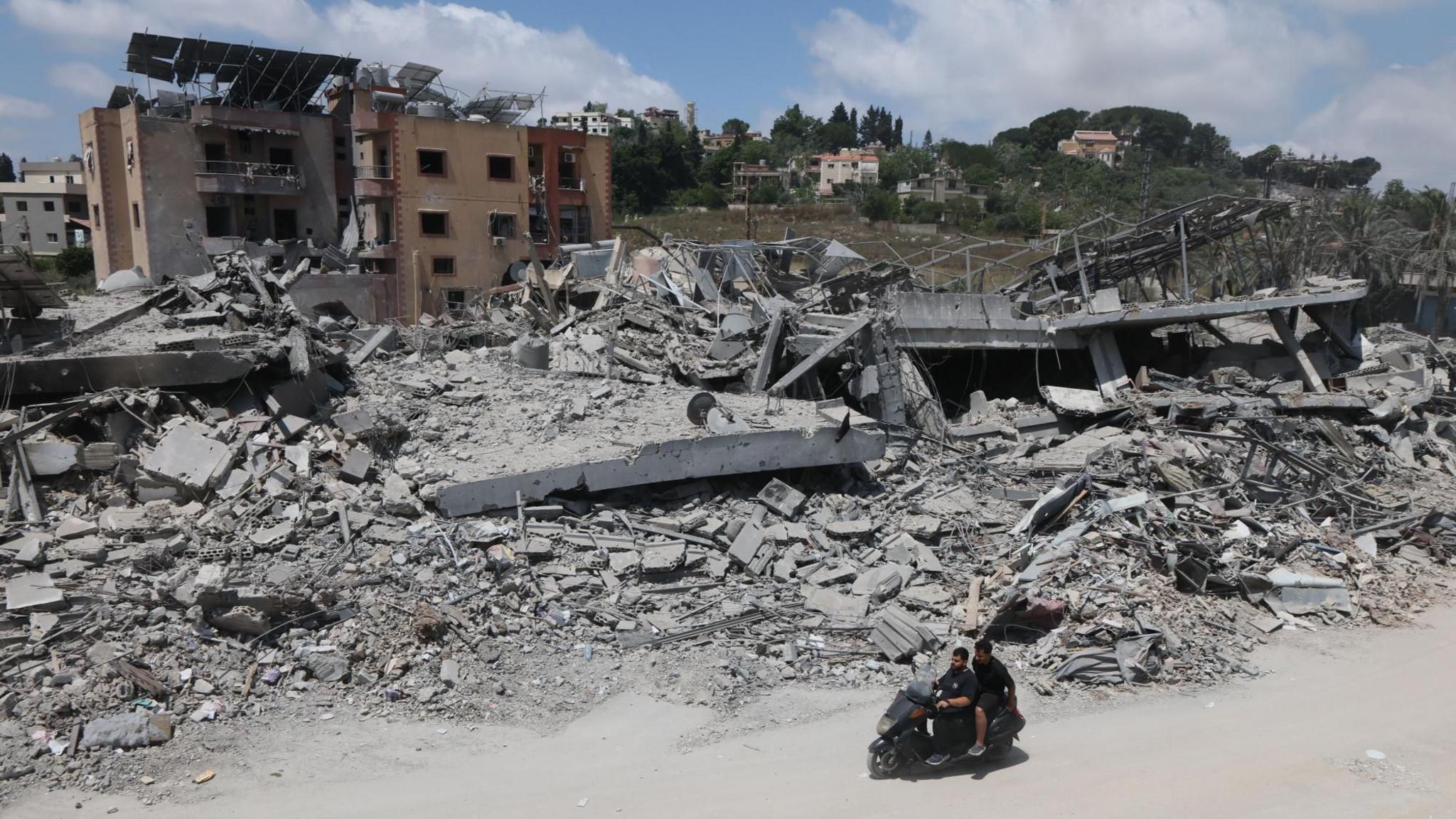
The conflict’s human costs are starkly evident in rising gasoline prices—reaching $4.53 nationally—and disrupted shipping in the Strait of Hormuz, where Iran has imposed 'a chokehold' on commercial traffic. Democratic Sen. Tammy Duckworth (Ill.), a veteran of the Iraq War, labeled the conflict a 'strategic blunder' that worsens regional tensions. Republican supporters counter that military action was necessary to counter Iranian aggression, but many Gulf allies urge restraint, creating diplomatic friction.
**Legal and Constitutional Debate**
The White House asserts the 1973 War Powers Resolution no longer applies due to a ceasefire, yet Congress insists the 60-day timeline remains active. Trump’s claim that the resolution is 'unconstitutional' has drawn criticism from legal experts, who argue its framework was designed precisely to limit presidential power. The resolution’s passage would force Trump to seek congressional approval for ongoing operations—a precedent that could reshape future military engagements.
**Global and Strategic Context**
The stalemate has heightened global energy volatility, with gas prices spiking and commercial shipping routes threatened. While Trump warned of imminent 'large-scale assaults' on Iran, Gulf allies’ negotiations have delayed escalation. The conflict also highlights tensions in U.S. foreign policy: Democrats emphasize diplomacy and congressional oversight, while Republicans stress decisive action against adversaries. With the Senate poised to vote on its own resolution, the outcome could redefine the balance of power between executive and legislative branches in national security decisions.
As the vote approaches, analysts note the resolution’s passage would signal a landmark shift in constitutional governance, though its practical impact on the Iran conflict remains uncertain. The economic and strategic stakes underscore how military actions ripple across national and international spheres, compelling Congress to balance oversight with operational readiness.}
**Political Analysis**
From a Democratic perspective, Rep. Gregory Meeks (N.Y.) frames the resolution as a 'constitutional obligation' to stop what he calls 'cheerleading an open-ended war.' The measure gained support from Rep. Jared Golden (Maine), who initially opposed it but now agrees it addresses legislative oversight. Meanwhile, Republican dissent is emerging: Rep. Brian Fitzpatrick (Pa.) voted for the resolution last week, while Sen. Thom Tillis (N.C.) criticized Defense Secretary Pete Hegseth’s handling of negotiations as 'incompetent,' signaling strategic concerns over the administration’s approach.
Republican leaders like Rep. Brian Mast (Fla.) defend Trump’s 'bold action' against Iran, arguing the U.S. must not 'get hit and walking away.' Yet the party faces internal conflict: while many support Trump’s military posture, the growing legal debate over the War Powers Resolution’s applicability reflects broader concerns about executive overreach.
**Economic and Social Dimensions**
The conflict’s human costs are starkly evident in rising gasoline prices—reaching $4.53 nationally—and disrupted shipping in the Strait of Hormuz, where Iran has imposed 'a chokehold' on commercial traffic. Democratic Sen. Tammy Duckworth (Ill.), a veteran of the Iraq War, labeled the conflict a 'strategic blunder' that worsens regional tensions. Republican supporters counter that military action was necessary to counter Iranian aggression, but many Gulf allies urge restraint, creating diplomatic friction.
**Legal and Constitutional Debate**
The White House asserts the 1973 War Powers Resolution no longer applies due to a ceasefire, yet Congress insists the 60-day timeline remains active. Trump’s claim that the resolution is 'unconstitutional' has drawn criticism from legal experts, who argue its framework was designed precisely to limit presidential power. The resolution’s passage would force Trump to seek congressional approval for ongoing operations—a precedent that could reshape future military engagements.
**Global and Strategic Context**
The stalemate has heightened global energy volatility, with gas prices spiking and commercial shipping routes threatened. While Trump warned of imminent 'large-scale assaults' on Iran, Gulf allies’ negotiations have delayed escalation. The conflict also highlights tensions in U.S. foreign policy: Democrats emphasize diplomacy and congressional oversight, while Republicans stress decisive action against adversaries. With the Senate poised to vote on its own resolution, the outcome could redefine the balance of power between executive and legislative branches in national security decisions.
As the vote approaches, analysts note the resolution’s passage would signal a landmark shift in constitutional governance, though its practical impact on the Iran conflict remains uncertain. The economic and strategic stakes underscore how military actions ripple across national and international spheres, compelling Congress to balance oversight with operational readiness.}