Iran warns Israeli strikes in Lebanon could jeopardise ceasefire with the US
Iranian Foreign Minister Abbas Araghchi on Thursday declared that the ceasefire reached between Israel and the United States—signed on 8 April—may be violated if Israel continues its military operations against Hezbollah positions near Beirut. He added that an attack on any front would breach the overall ceasefire agreement.
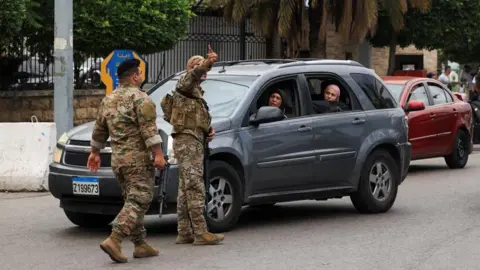
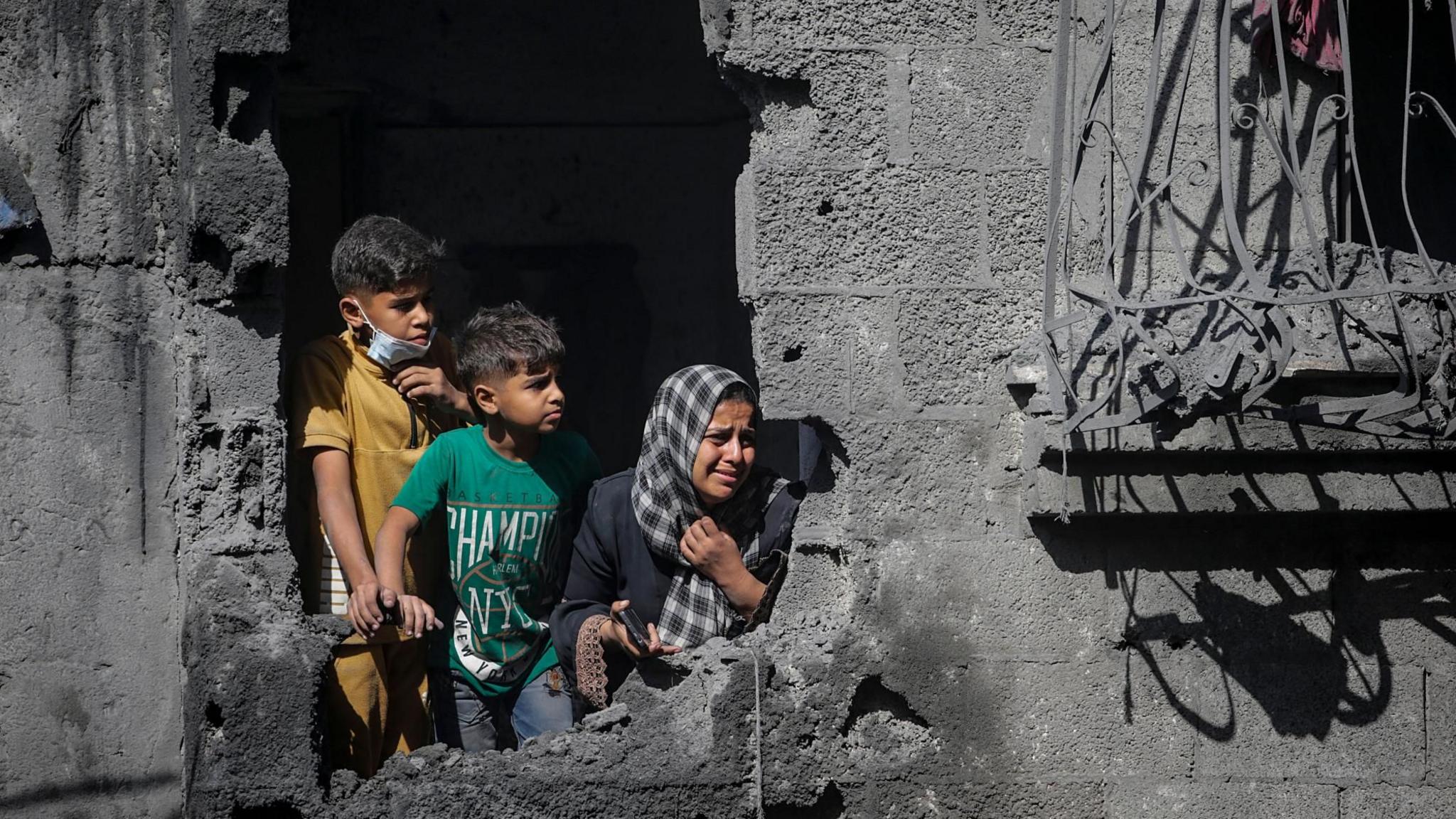
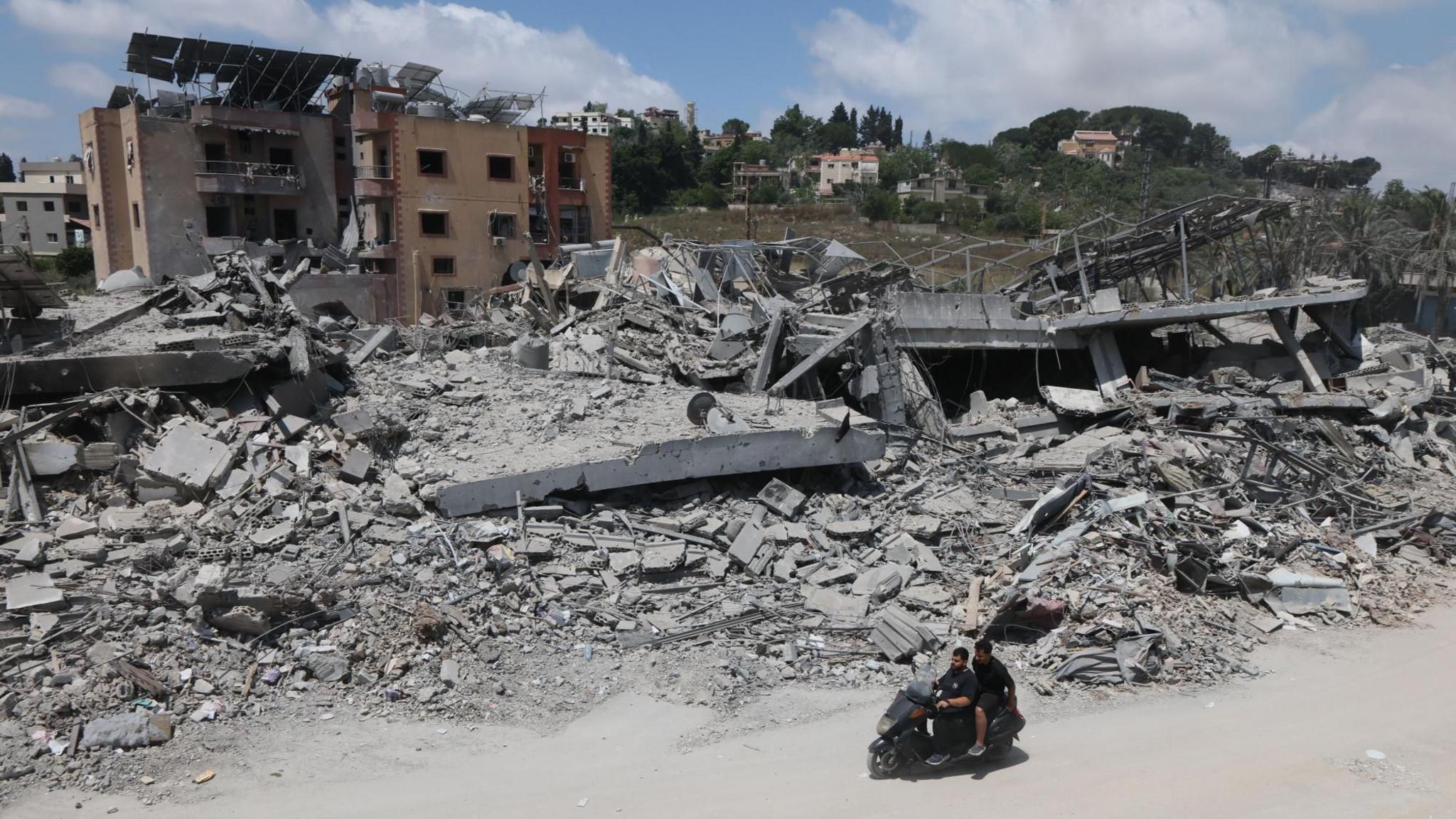
The warning follows Prime Minister Benjamin Netanyahu’s directive to strike the southern suburbs of Beirut—an area held by Hezbollah fighters—after the group launched rocket and drone attacks on Israeli civilians. The Israeli strikes, which occurred twice since the ceasefire entered effect on 16 April, were described as a response to alleged violations by the Lebanese militant group.
Iran’s state‑run Tasnim news agency reported that Tehran might suspend indirect talks with Washington. It also said that Iranian forces and allies could "activate other fronts," including the Bab al‑Mandab Strait at the entrance to the Red Sea, signalling a potential broadening of the conflict.
Washington has sought to separate the Lebanese events from its broader negotiations with Iran, which has historically backed Hezbollah with ideological, military, and financial assistance. An American official confirmed that Secretary of State Marcos Rubio had proposed a plan for "gradual de‑escalation" to Israeli Prime Minister Netanyahu and Lebanese President Joseph Aoun, aiming to prevent Iranian retaliation and preserve the ceasefire's integrity.
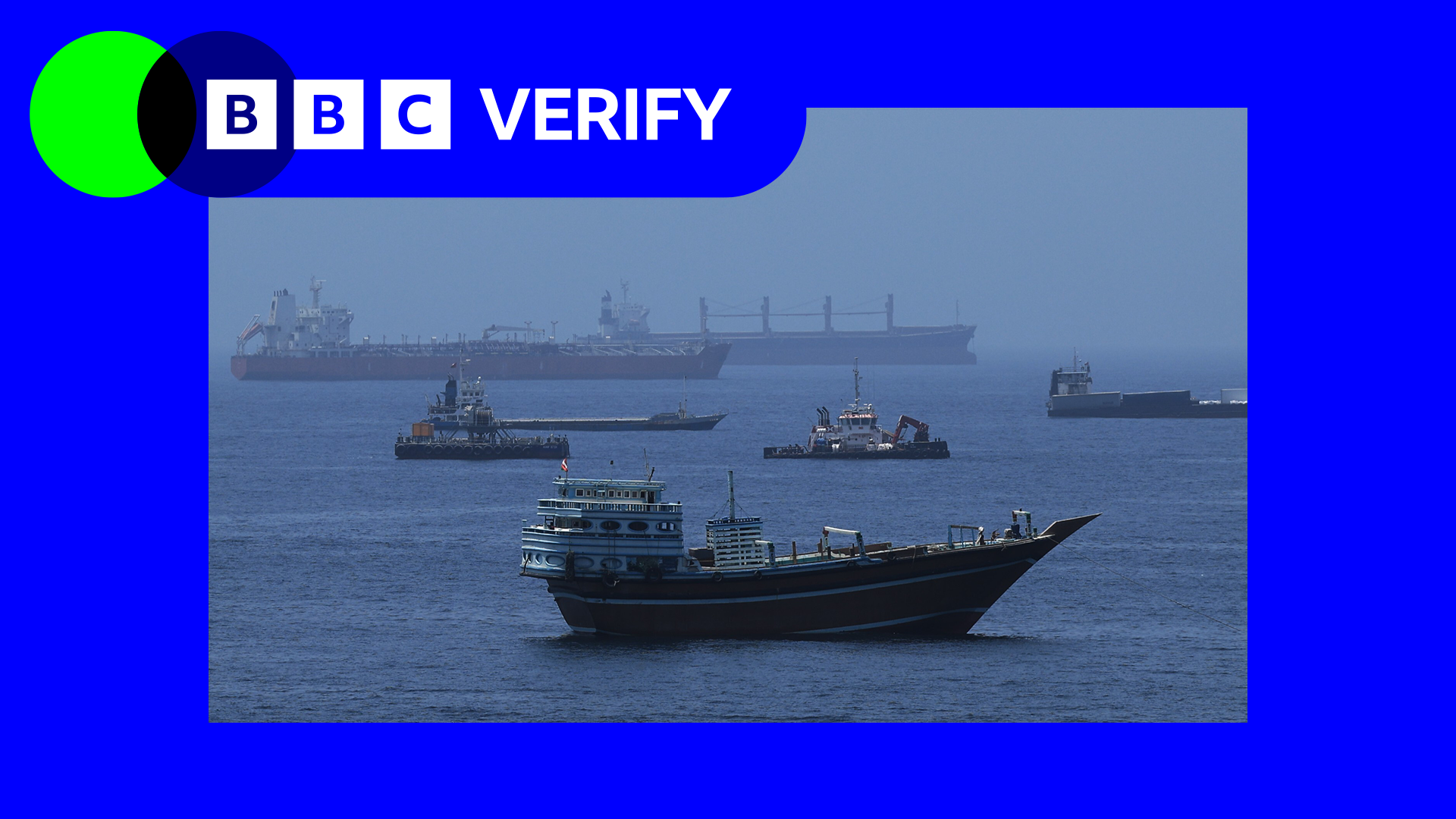
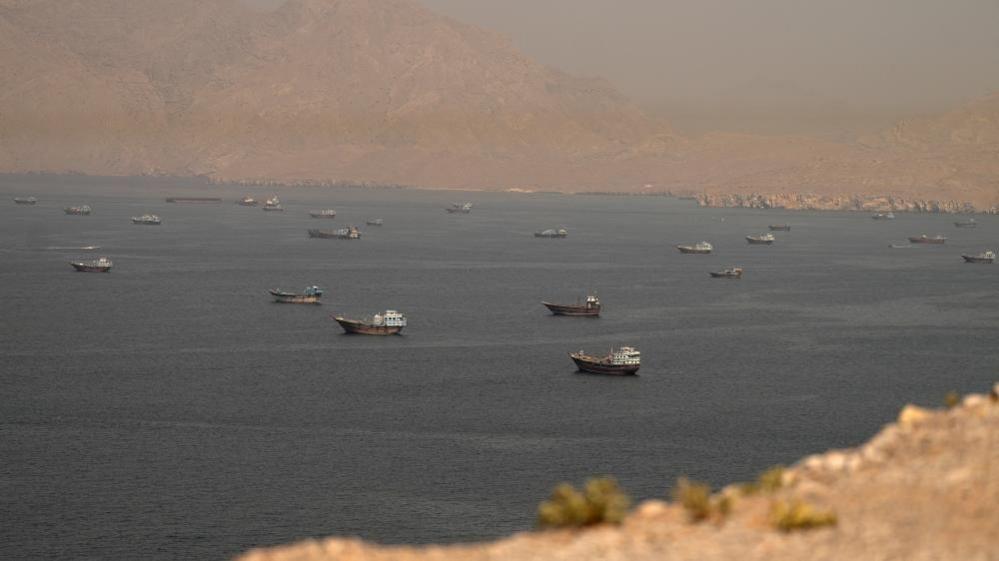
The situation has attracted additional scrutiny over the past week, as tensions in the Strait of Hormuz escalated when US forces struck Iranian military sites, prompting Iran to target a US base in Kuwait. Oil prices reacted sharply, with Brent crude rising nearly $5 a barrel to $97.44 on Monday. The Strait processes around one‑fifth of the world’s oil and LNG traffic, and any escalation threatens to further inflame global energy markets.
The truce between Israel and Lebanon has already been fragile, and the prospect of a violation—whether by Israeli force in the south or by renewed Iranian attacks—adds a dimension of uncertainty to the region’s security dynamics and the broader US‑Iran diplomatic engagement. Should the ceasefire collapse, regional actors may be compelled to broaden the scope of hostilities, potentially escalating into a larger conflict that could affect international shipping lanes and global economic stability.