In the wake of a ceasefire announced on 8 April, Washington and Tehran are still engaged in a high‑stakes standoff that threatens a return to full‑scale war. The United States maintains powerful naval and air forces within striking distance of Iran, while the Iranian regime has kept its military on high alert, using the lull to reorganise and repair damage inflicted by U.S. and Israeli strikes.
The stalemate is complicated by a flow of military exchanges that continue despite diplomatic overtures led by Pakistan, Qatar, and other partners. The talks emphasize extending the ceasefire and adopting a memorandum of understanding, yet Iran’s demands—sanctions relief and a reopening of the Strait of Hormuz—remain unmet by U.S. hawks who fear perceived concessions would undermine the administration’s image of strength.
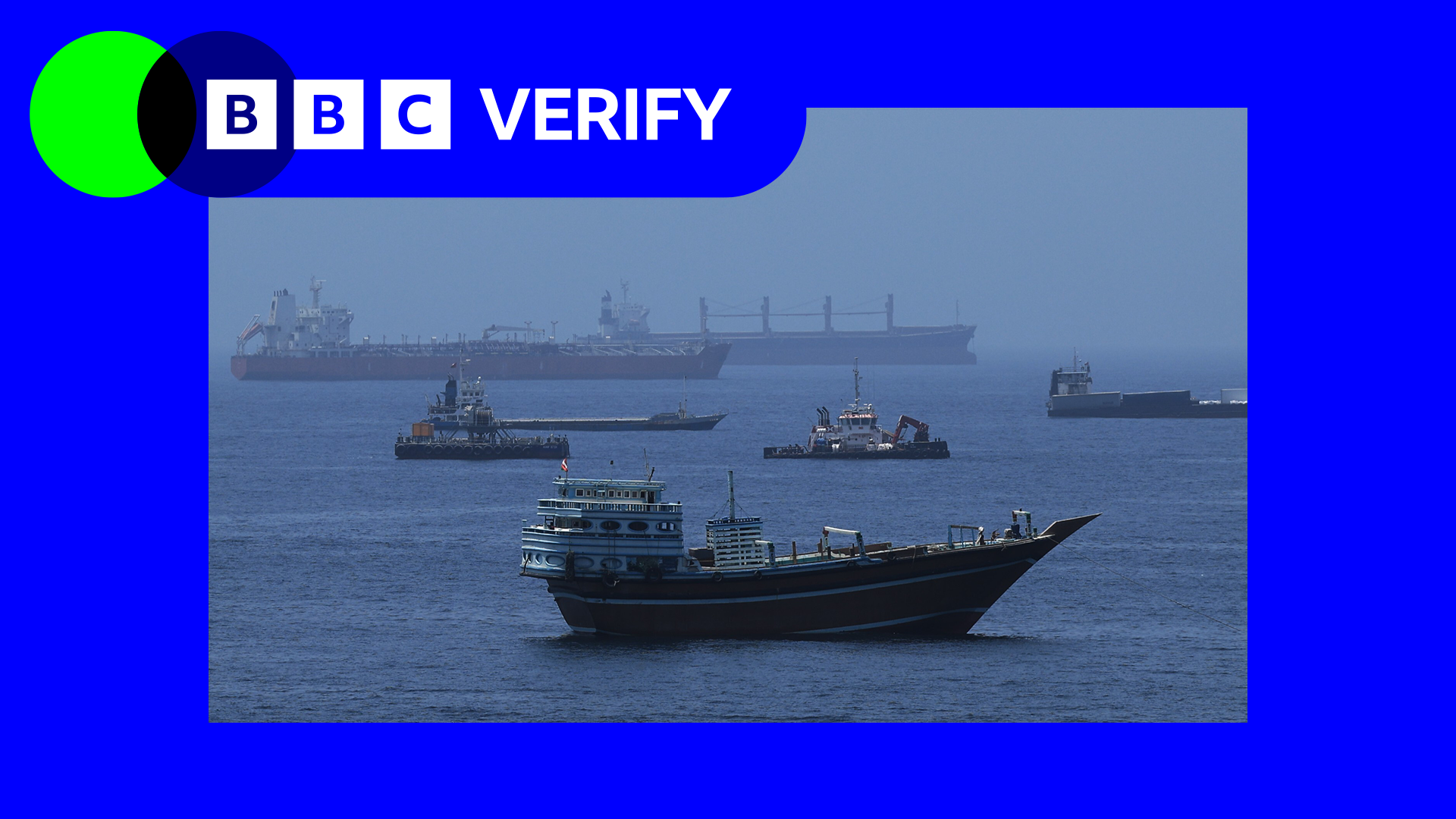
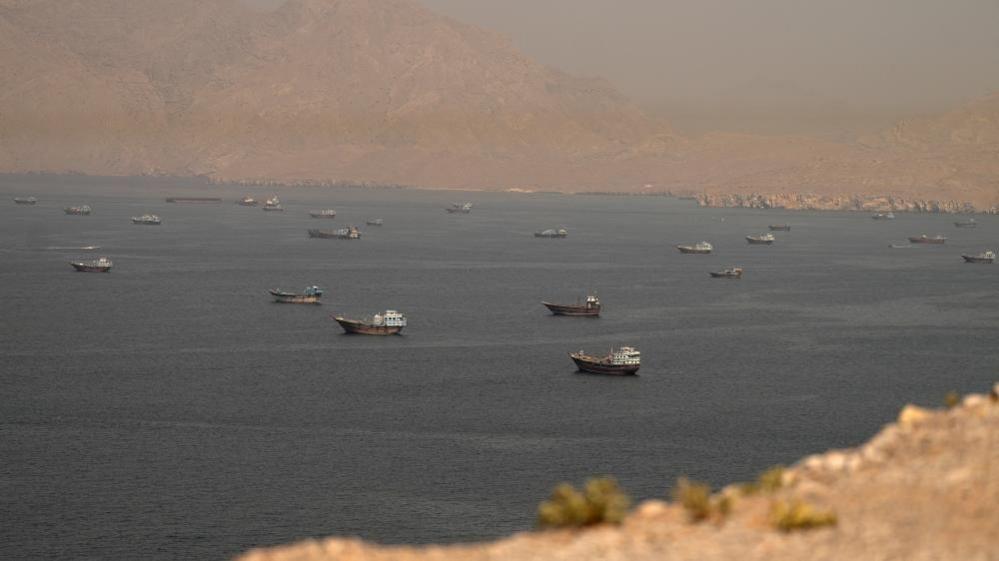
For the Gulf, the closure of the Strait has had a significant economic toll. Saudi Arabia has shifted some oil output to the Red Sea, and the UAE operates a pipeline to its Oman‑coast terminals, but global supply chains have still lost about 20 % of normal oil and gas flows. The economic impact is not confined to Gulf economies alone; petrol prices worldwide remain tied to the broader oil market, amplifying the financial strain in the United States, despite its reduced dependence on Gulf oil.
The Washington administration’s position is further entangled by domestic politics. Donald Trump’s decision to withdraw from the 2015 nuclear deal (#IranDeal) and his subsequent confrontational stance toward Tehran have not clarified a path forward. Trump’s cabinet, including senior advisors such as Marco Rubio and Pete Hegseth, faces the challenge of securing concessions for the Strait while avoiding escalation that could undermine the president’s re‑election campaign and damage a fragile domestic coalition.
From Iran’s view, the regime’s survival knowledge fuels a steadfast claim of being boiled down to the very existence of its takeover. “More strikes from the US with or without Israel” will not shift Tehran’s calculus; the regime insists on sanctions relief and the reopening of the Strait as prerequisites for any meaningful negotiation.
Gulf allies play out a dual strategy: the United Arab Emirates has deepened its ties with Israeli iron‑dome operations, while Saudi Arabia has issued statements that the attacks on Iran are independent actions rather than part of a US‑Israeli coalition. These moves underscore the distrust and the balance of power politics that underpin the region.
Locally, Iranian forces have taken a defensive posture, using the ceasefire to structure and repair forces. The United States demonstrates its proximity through patrols and air capabilities, signalling that a miscalculation could easily trigger a renewed conflict. The sector’s key point remains whether the Kremlin‑leaning ceasefire can carry a more substantial agreement, a question that is difficult to resolve given the geopolitical labyrinth and the layers of strategic disagreements.
The road to de‑escalation is stetched across a series of diplomatic milestones, from maintaining the ceasefire to agreeing on the conditions for a broader deal. The eventual resolution will hinge on compromising economic relief for Iran against an American posture seen by the GOP as a sign of weakness—an ideological tug‑of‑war that could prolong the crisis until both sides finally meet in the middle.