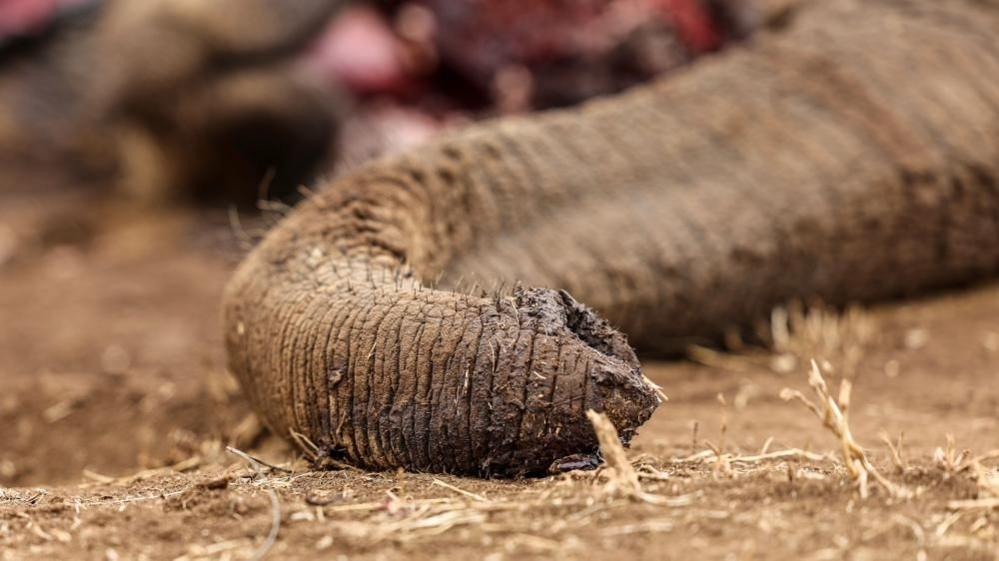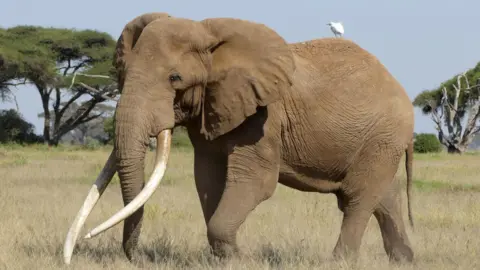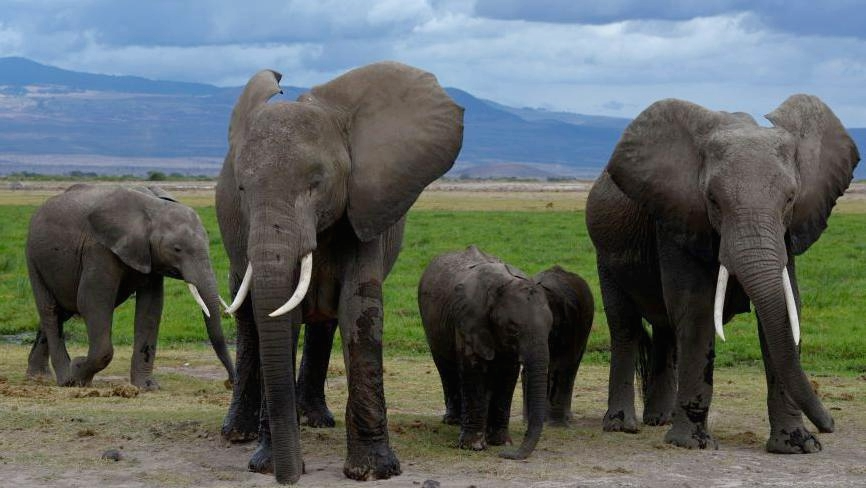
Recent laboratory investigations by the Kenya Wildlife Service (KWS) have uncovered cyanide in the remains of fifteen elephants discovered in Kalpana, south of Amboseli National Park. The animals were found over the span of a month, from 24 June to 24 July 2026, and are believed to have been poisoned by eating tomatoes sprayed with pesticides on nearby farms.
According to KWS officials, ten of the elephants exhibited signs of paralysis before succumbing within two days. The remaining five carcasses were found already dead at the time of discovery. Investigators have ruled out foul play, and preliminary tests suggest the cyanide originated from agricultural chemicals applied to tomato crops adjacent to the park.
While wildlife authorities confirm that the toxic substances pose no immediate health risk to the local human population, they urge a review of pesticide regulation in the region. The farmers who grow tomatoes near Amboseli have not been charged, but the incident has intensified debate over how to best balance agricultural expansion with the conservation of one of Africa’s most iconic megafauna.
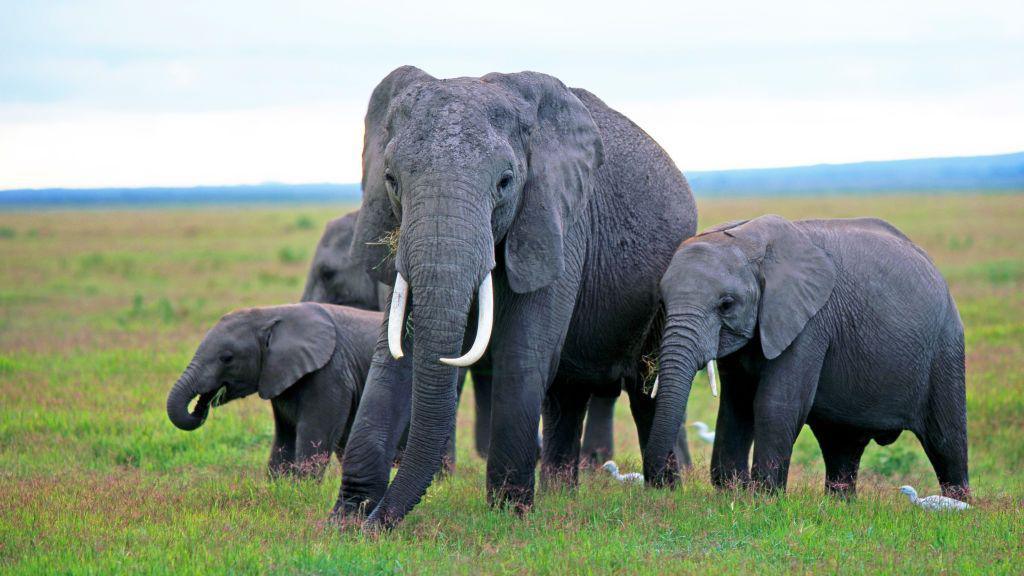
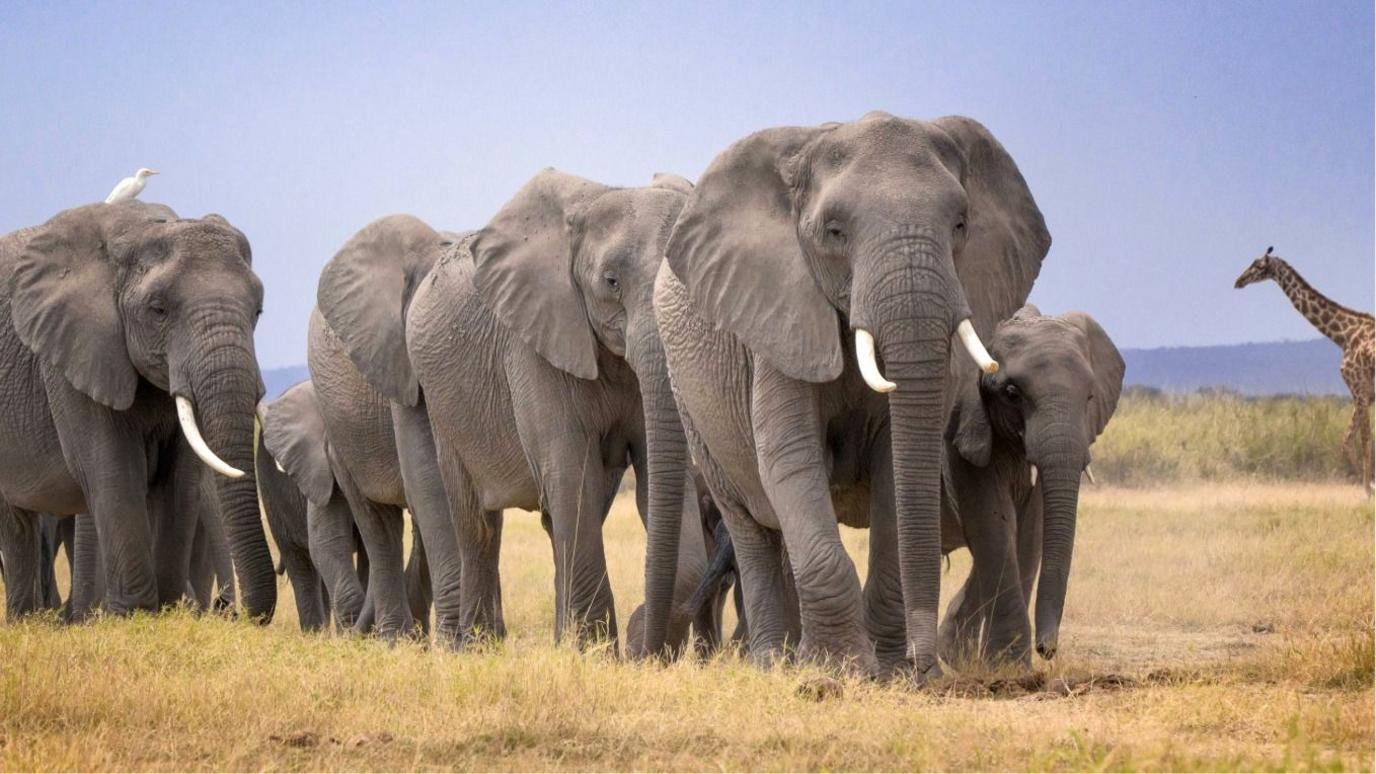
Amboseli’s ecosystem, which straddles the Kenya‑Tanzania border, hosts more than 2,000 elephants. The park has been a haven for conservationists, particularly after successful anti‑poaching campaigns. This death toll marks the first time in decades that such multiple mortalities have been recorded, raising alarm among NGOs and government bodies alike.
Conservationists, such as representatives from the Amboseli Trust for Elephants, warn that repeated incidents could erode public support for wildlife tourism—an essential driver of the regional economy. Meanwhile, local communities rely on nearby farmland for livelihoods and may feel threatened by potential restrictions that could arise from stricter pesticide controls.
As investigations continue, key stakeholders—farmers, conservationists, and government officials—are calling for comprehensive monitoring. A collaborative approach could help regulate pesticide use, protect wildlife, and safeguard the livelihoods of those who depend on agriculture around the park.