Deadly rope‑jumping accident provokes investigation into Brazil’s abandoned bridge safety
A 21‑year‑old woman died after being let fall from an unmanned bridge in the interior of São Paulo. Lives were lost when the instructors failed to attach a safety rope, a step that is required to protect participants in rope‑jumping, a sport that distinguishes itself from bungee by using a climbing rope to swing rather than bounce.
Video shows a critical failure
The footage that circulated on social media shows three men in white helmets and harnesses appearing to support the participant. A bystander can be heard screaming for the rope to be attached as the woman is cast off the bridge. The video ends with the fall of 40 m (130 ft) and emergency responders declaring her dead on arrival.
Legal repercussions and civic conflict
Three men who were present were arrested and are being investigated for negligent homicide with intent. Police are assessing whether the failure to attach a rope amounts to a culpable act that led to the death. The incident is raising doubts about the competence of the group that runs rope‑jumping activities on an abandoned structure.
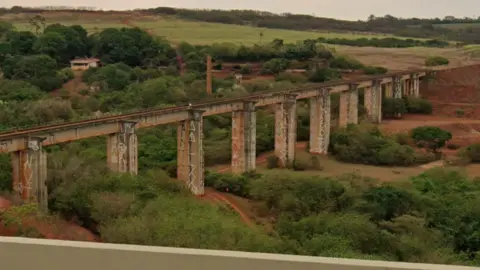
The bridge, called the Skeleton Bridge, sits on the border of Limeira and Cordeirópolis. It has been abandoned for years and is the responsibility of the federal government. The Small Secretary of Federal Assets announced that the bridge is available for authorities to investigate and that the city of Limeira will sue the federal office for failure to manage the structure safely. Local officials claim the death highlights an existing abandonment that is no longer acceptable.
The balance of policy and practice
This tragedy illustrates the tension between the sensational appeal of extreme sports and the obligation of public bodies to enforce safety rules. The incident also raises questions about how abandoned infrastructure is monitored and maintained, and whether private companies or informal groups should be regulated. A comparative look at global approaches to rope‑jumping or similar sports suggests stronger oversight could prevent future accidents.
The investigation is ongoing. Authorities are demanding stricter safety protocols and greater oversight for those who use public land for extreme sports. The public reaction continues to pressure policymakers to act and to address the long‑standing problem of neglected infrastructure across the country.