Understanding Decision-Making Power in Iran Amid Crisis
The question hanging over Tehran since the onset of Iran's current war with the US and Israel is clear: Who is in charge?
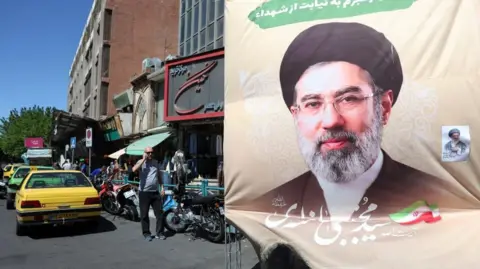
Officially, Mojtaba Khamenei has taken on the title of supreme leader, following the death of his father, Ali Khamenei, marking the beginning of a tumultuous conflict. This position is designed to have the final say on significant decisions regarding war, peace, and the state’s direction.
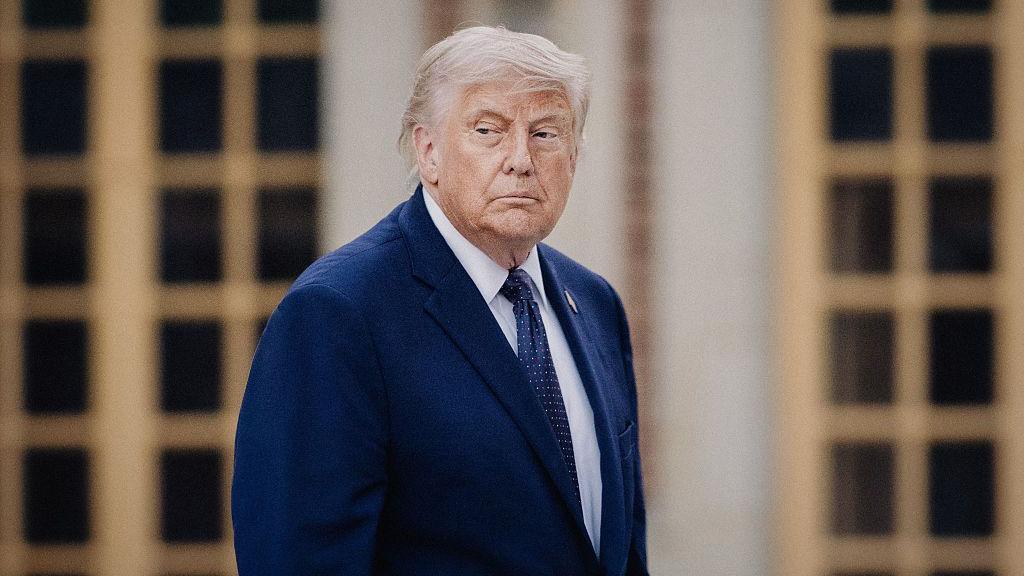
However, the reality is considerably more complicated. Former US President Donald Trump has described Iran's leadership as fractured, suggesting that the US is awaiting a cohesive proposal from Tehran.
In a display of unity, Iranian officials conveyed a message signaling an end to divisions, insisting on a singular national direction devoid of hardliners or moderates.
Invisible Leadership
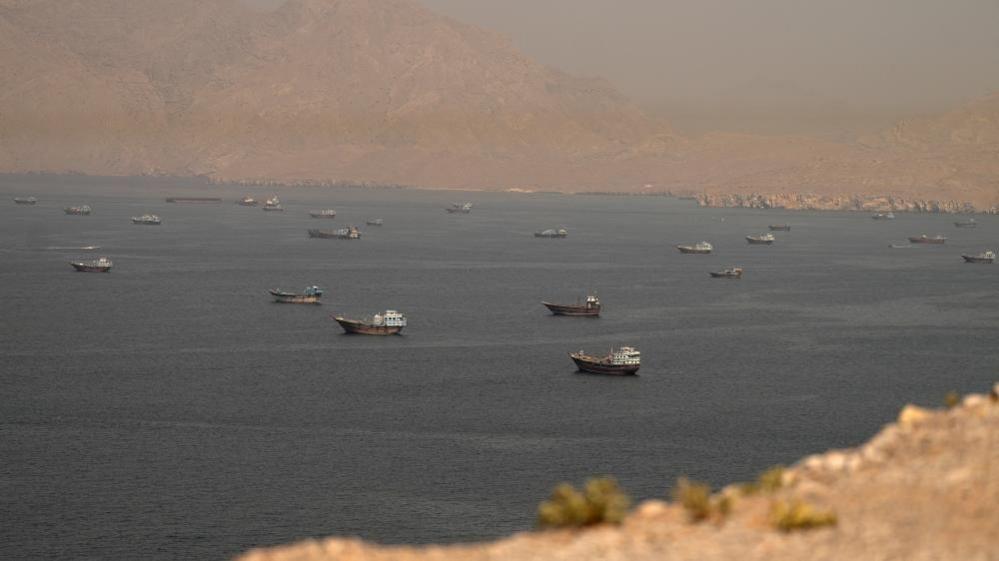
Mojtaba Khamenei’s absence from public view since ascending to power raises concerns about his influence. Despite a few official statements, including one insisting on the closure of the Strait of Hormuz, evidence of his day-to-day control remains scarce. After being injured in the initial military strikes, reports suggest he may struggle to assume the reins of power effectively.
This unavailability creates an interpretation vacuum; some speculate his wartime rise has not provided a platform to assert his authority, while others ponder if he is capable of managing the system at all. Consequently, decision-making appears less centralized than before the hostilities.
Diplomatic Channels and Military Control
Formally, diplomacy resides with the government under Foreign Minister Abbas Araghchi, yet his operational role lacks decisive influence, further complicated by the reality that Iran's delegation is led by Parliament Speaker Mohammad-Bagher Ghalibaf.
While Ghalibaf has begun to assert his presence by engaging in public discourse and negotiations, he faces resistance from hardliners within the government, complicating the regime's ability to signal coherent strategies.
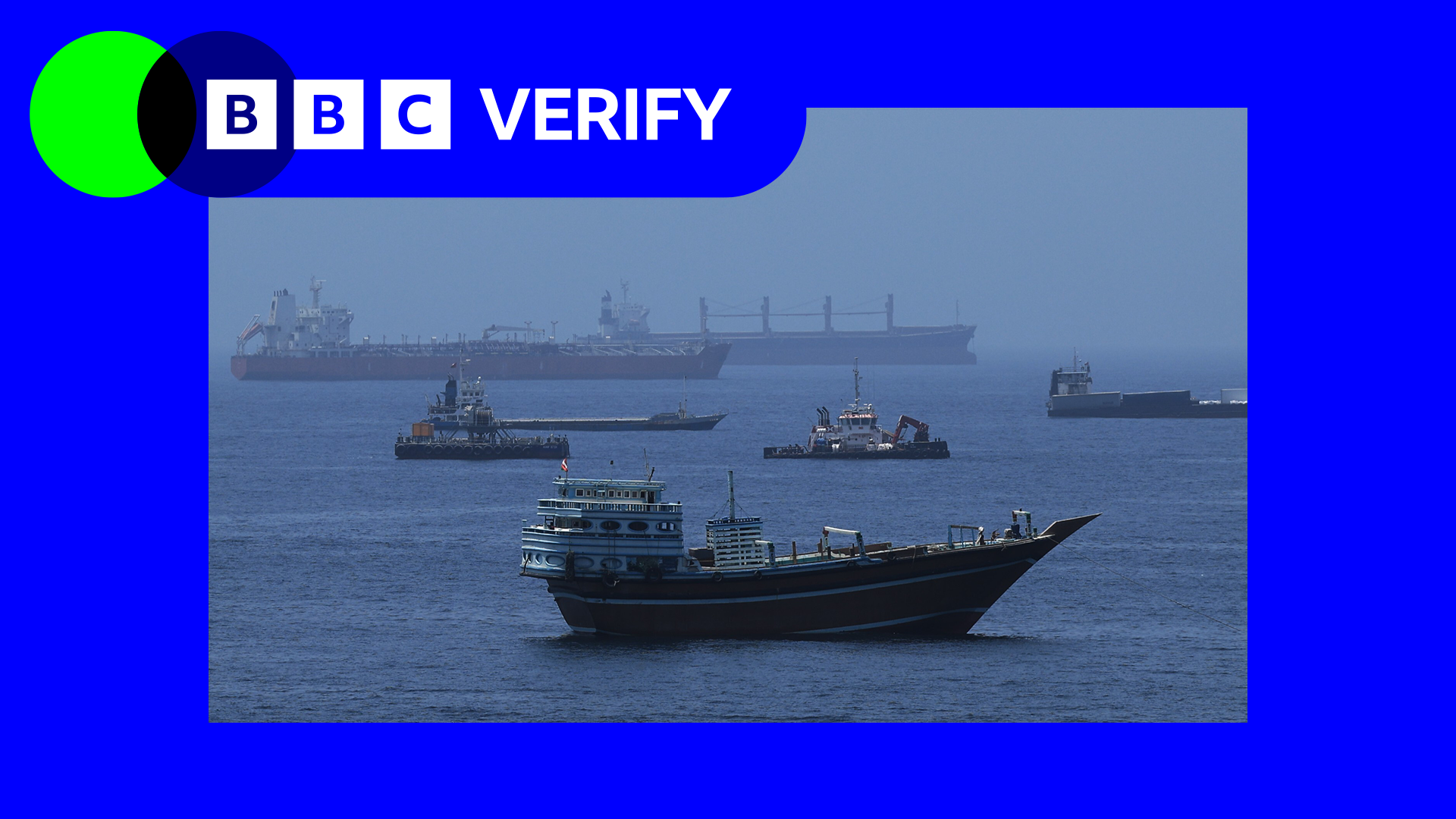
Power dynamics have also shifted towards the Islamic Revolutionary Guard Corps (IRGC), led by Ahmad Vahidi, regarding crucial strategic decisions such as control over the Strait of Hormuz. Instead of having a single point of accountability, the situation has fostered a pattern where actions precede messaging.
Conclusion
The current state of leadership in Iran reflects a system that remains intact but lacks coherent direction. While Khamenei's authority exists, it is not visibly exercised; the presidency aligns with the regime while failing to lead; and the military holds significant influence without a clear public strategist. The adjustments in leadership roles prompt questions about whether the Islamic Republic can convert its leverage into a clear strategy amidst escalating pressures from external adversaries. For the time being, Iran's governance structure is holding together, maintaining control without evident breakdowns, though the clarity of its coherence remains suspect.