The question hanging over Tehran since the opening strikes of Iran's current war with the US and Israel is simple: Who is in charge?
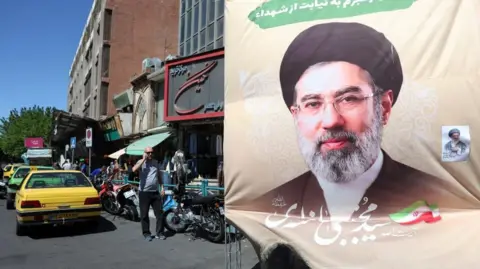
Formally, the answer is clear. Mojtaba Khamenei has assumed the role of supreme leader following the killing of his father, Ali Khamenei, on the first day of the war on 28 February. In the Islamic Republic's system, that position is meant to be decisive, with the leader having the final word on crucial matters such as war, peace, and the state's strategic direction.
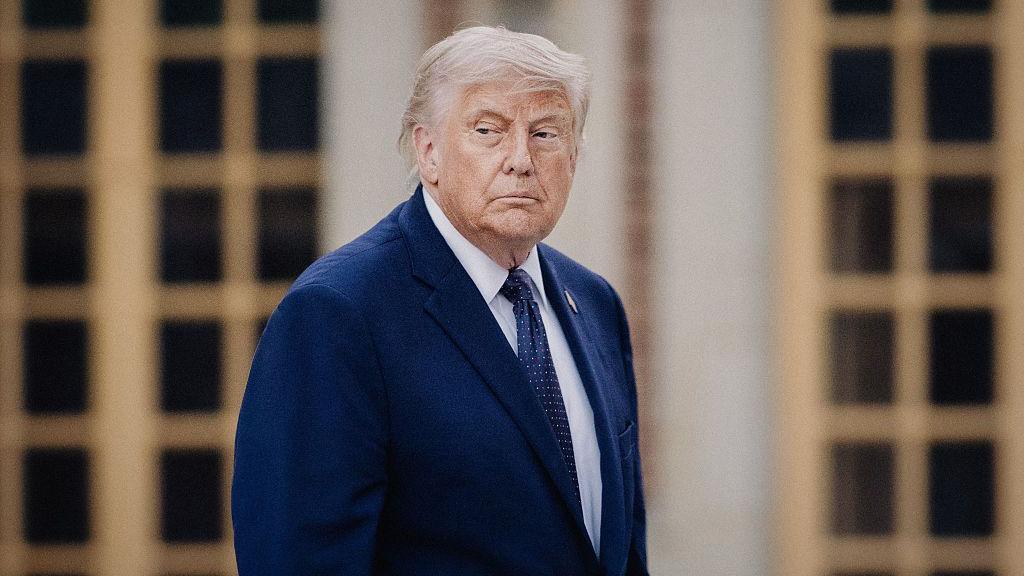
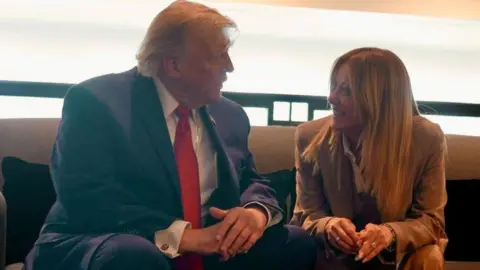
But in practice, the picture is far murkier. Donald Trump has described Iran's leadership as fractured and suggested the US is waiting for Tehran to produce a unified proposal. This fracturing has led Iranian leaders to put forth a message indicating that there is no such thing as a hardliner or moderate in Iran - there was just one nation, one course.
Invisible leader
Mojtaba Khamenei has not been seen in public since taking power. Aside from a handful of written statements, there is little direct evidence of his day-to-day control. Reports suggest he may have been injured in the initial attacks, raising questions about his ability to manage the crises effectively.
In Iran’s political system, authority is not merely institutional; it is also performative. The late leader, Ali Khamenei, signaled intent through speeches and public appearances. Such performative leadership is lacking now, resulting in a vacuum of interpretation regarding the political direction.
Diplomatic channels open but only just
While diplomacy is ostensibly the domain of the government, the current diplomatic equipoise has raised questions about the effectiveness of Iranian Foreign Minister Abbas Araghchi, who appears operational rather than directive, especially in light of conflicting messages regarding the Strait of Hormuz.
A military expanding remit
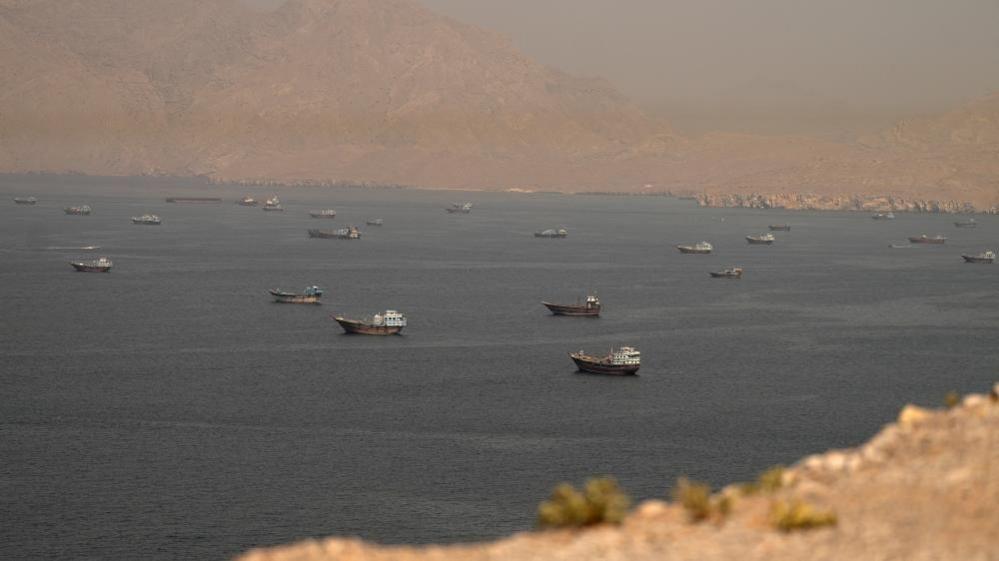
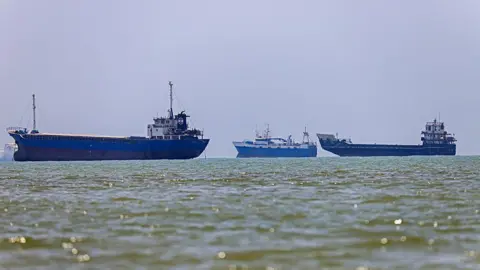
Control over potential strategic decisions, like the closure of the Strait of Hormuz, lies primarily in the hands of the Islamic Revolutionary Guard Corps (IRGC) rather than the diplomatic framework, indicating a shifting power dynamics that may lack clear public ownership.
Claimed or exercised coherence
Ultimately, the dynamics within Iran reflect a system that functions but lacks coherent direction. The supreme leadership remains intact yet is visibly under-exercised. This reality underscores a system grappling with maintaining coherence in a time of acute pressure, raising questions about whether the implied unity is genuine or merely performative.