Unraveling Nigeria's Coup Attempt: Allegations, Arrests, and Implications
For months, elements of suspense and intrigue have surrounded last year’s alleged coup plot in Nigeria targeting President Bola Tinubu. Recent developments have shed light on the conspirators, with six individuals now facing serious charges including treason, terrorism, and money laundering.
The coup was reportedly set to occur on 1 October 2025, coinciding with Nigeria’s 65th independence celebrations. However, the government canceled the parade at the last minute, avoiding a major security risk, as it is believed the event could have been a focal point for the plot. Initial announcements about the incident indicated a court-martial for 16 unnamed military officers, marking a significant admission of the threat level.
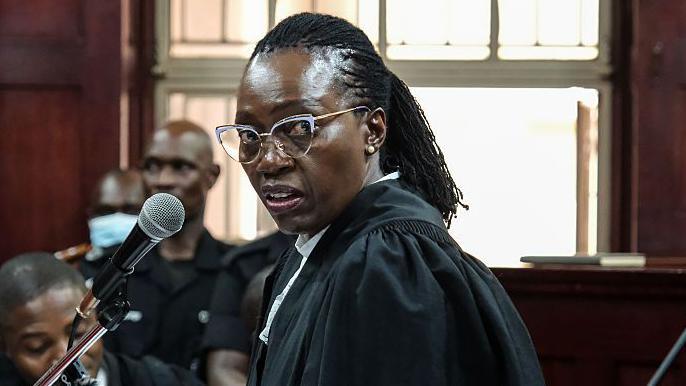
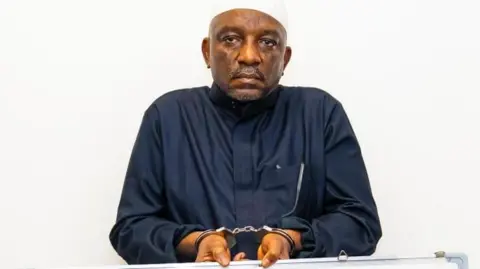
Court documents have revealed Colonel Mohammed Ma'aji as an alleged mastermind behind the coup, raising questions about the extent of military involvement in such attempts at governance disruption. Interestingly, the defendants are made up of both military personnel and civilians, elucidating the broad range of parties involved in this alleged conspiracy.
Amidst the revelations, Timipre Sylva, a former oil minister, has emerged as a key financier linked to the coup. Notably, his indictment has not yet occurred, but his name has surfaced multiple times in connection with funding the alleged plot. This connection adds complexity to the narrative surrounding political networks and the influence of financial elite in Nigeria.
The conviction of the accused could illustrate a tipping point for Nigeria as it navigates the treacherous waters of military takeovers, especially amid fluctuating economic conditions and rising public discontent over governance. The courtroom proceedings may very well influence the political landscape, raising concerns among citizens wary of returning to military rule.
Adding another layer, the indictment of popular cleric Sani Abdulkadir, claimed to have acted not as a radical but as a 'spiritual support' for the coup, reflects the diverse elements that merging around this unprecedented threat to Nigeria's democracy.
The judicial process is still in its infancy, with further arrests likely to come as investigations expand. Moreover, the trial hints at the fact that more prominent figures may yet be involved, as speculations circulate around additional key actors in this alleged coup. As the nation grapples with these developments, the echoes of past military interventions loom large, foreshadowing possible repercussions in the fabric of Nigerian democracy.