Exploring Nigeria's Alleged Coup Plot: Money, Influence, and Political Rifts
For months, rumors and secrecy have surrounded last year's alleged Independence Day coup plot in Nigeria. However, with the recent indictment of six individuals purportedly involved, details of what is claimed to be an elaborate plan to oust President Bola Tinubu have emerged.
The coup was set for October 1, 2025, coinciding with Nigeria's 65th independence anniversary. However, the last-minute cancellation of the celebratory parade — which Tinubu was expected to attend — left many questions unanswered.
The military confirmed in January 2026 that 16 senior military officers would face a court-martial, signaling acknowledgment of a thwarted coup attempt. Subsequent court documents have revealed the alleged mastermind, Colonel Mohammed Ma'aji, and hinted that the plot's primary objective was to destabilize the state before a takeover.
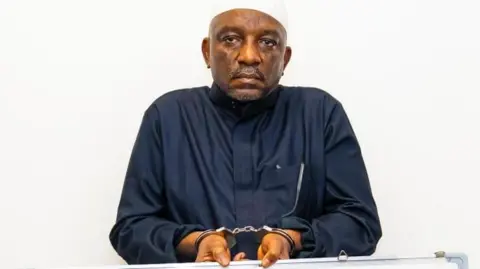
Unlike the military court, the six accused are now faced with charges in the Federal High Court. Their trial may provide insights into the broader implications of the coup attempt, particularly in a country with a tumultuous past of military interventions, now navigating through a civilian-led democratic era.
Who's Behind the Plot?
Colonel Mohammed Ma'aji, born in Niger state, emerged as the alleged strategist. His career trajectory through Nigeria's military landscape, especially during times of significant oil-related unrest in the Niger Delta, gave him critical insights into military operations and strategic planning.
Ma'aji's ties to influential political figures like Timipre Sylva, a former oil minister, and governor, suggest a blended strategy of military and political maneuvering. Sylva's alleged involvement as a financier, although not formally indicted, raises eyebrows regarding the sources of funding for the coup. Investigations indicate that payments made to collaborators ranged widely, confirming suspicions of terrorism financing.
The Day of the Coup: Allegations and Plans
Insider information reportedly allowed plotters to plan an audacious storming of the Aso Rock presidential villa in Abuja, including details of an assassination plot against key government officials. That said, heightened security awareness resulting from military investigations obstructed any immediate attempt on the set date, leading to arrests before the planned coup.
Notably, the alleged plot involved civilians, military personnel, and the use of resources for execution, which poses worrying questions about the military's internal loyalties and civilian trust in governance.
Wider Implications and Political Sentiments
These developments connect to broader sentiments in Nigeria, where rising discontent due to economic struggles and perceived corruption among the elite continues to fuel instability. Recent coups in other West African nations further compound fears that Nigeria, a significant regional player, might experience a similar fate.
The ongoing trials are likely to illuminate the intricacies of this plot and its political ramifications, particularly highlighting the nation's ongoing struggle to maintain democratic integrity against a backdrop of historical military rule.