Delhi on Edge as ‘Cockroach’ Protest Leaders Set Free Ahead of Demonstrations

After a Delhi court freed top leaders of the Gen‑Z‑led Cockroach Janta Party, authorities have pulled out all stops to control the capital’s newly heightened protest atmosphere.
The court’s decision, delivered just after the group’s leaders were detained upon arrival in the city, is being hailed by the movement as a win for civil freedom, even as police say it could spill into civil unrest.
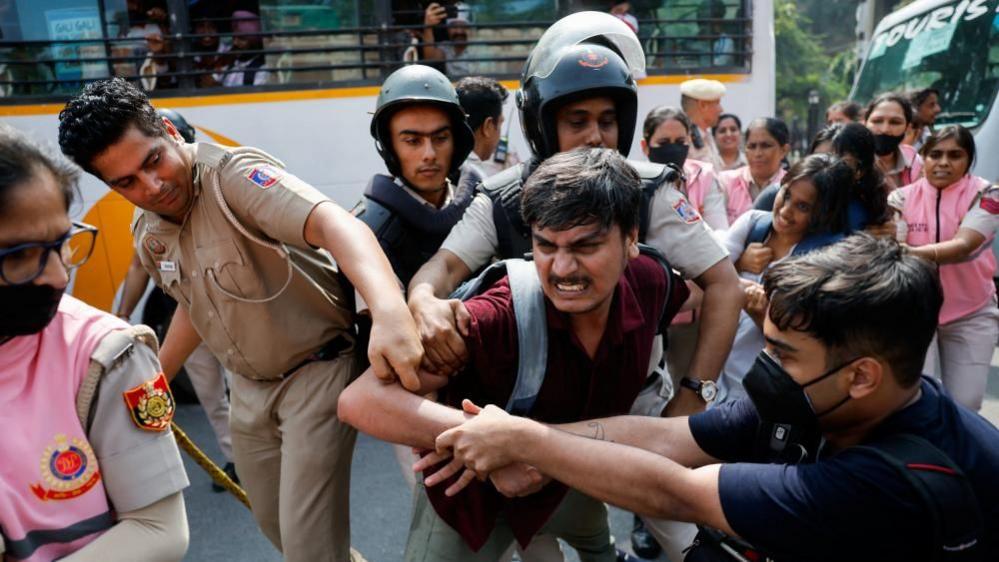
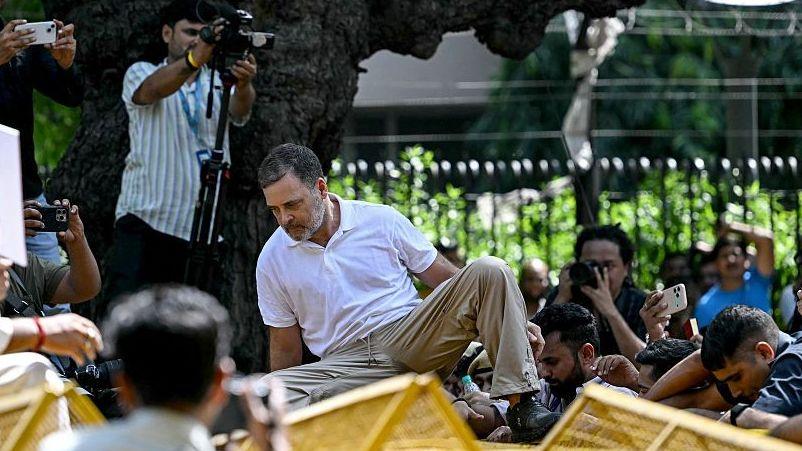
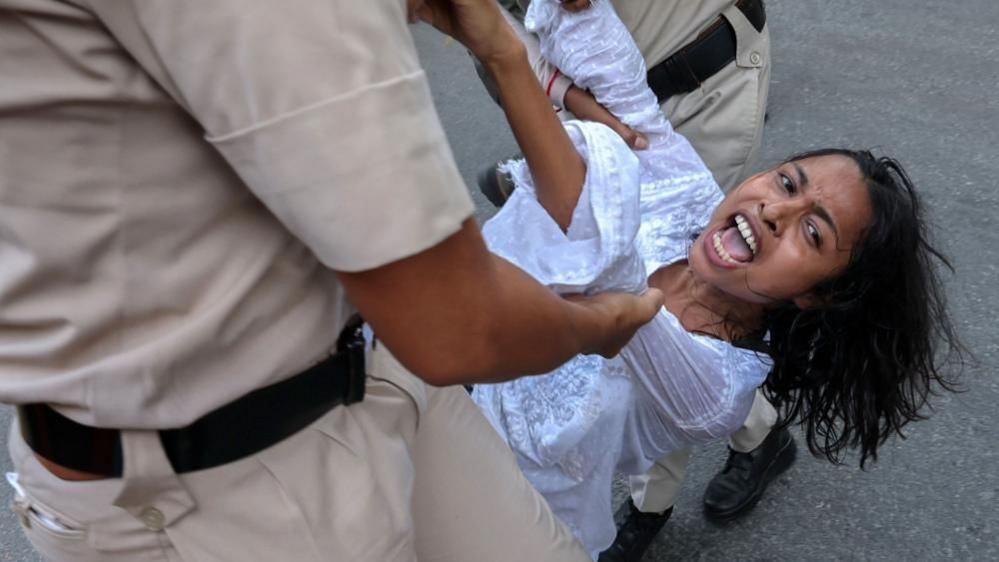
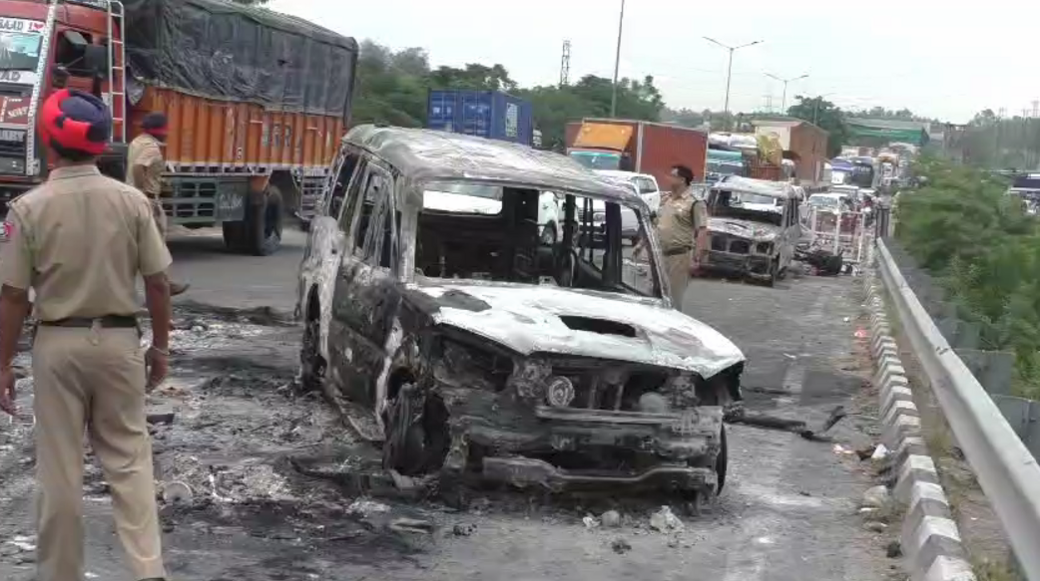
Chokkan police units, hundreds of paramilitary workers and a growing squad of traffic officers now sit on the perimeter of Jantar Mantar, the central civic park after which the traditional protest site is named. Seventy‑five metro stations are shut and the main railway terminals remain closed as commuters are rerouted to quieter routes.
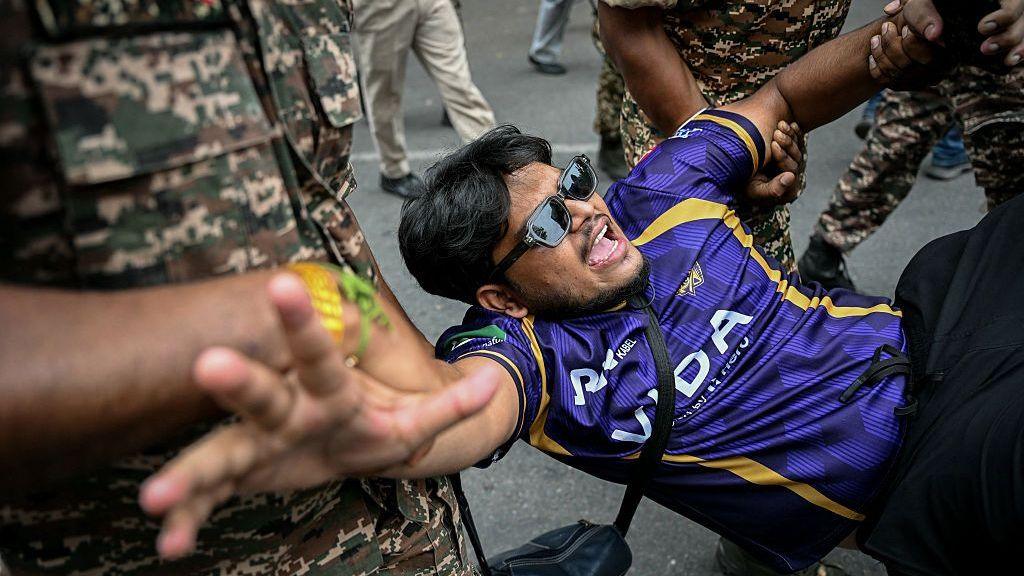
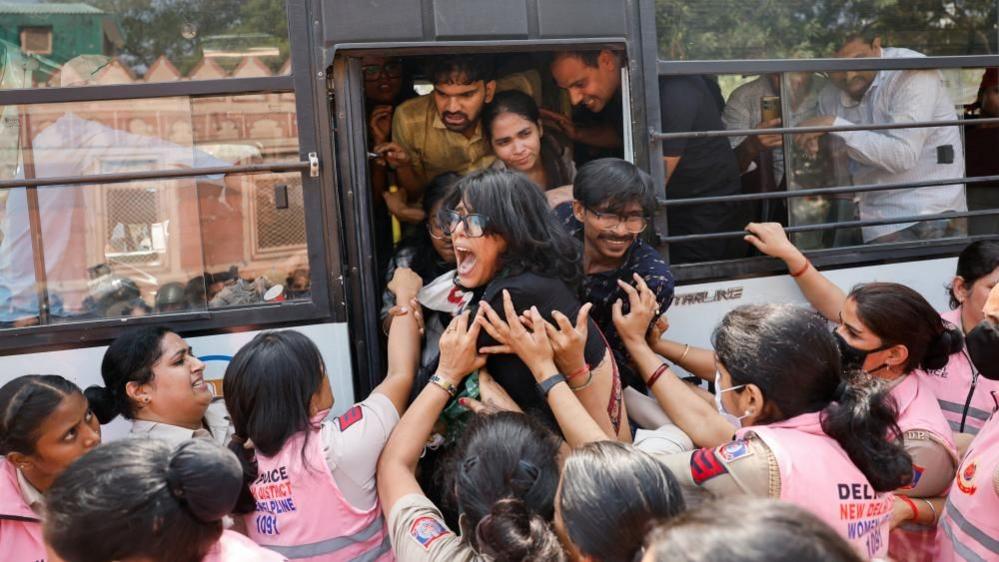
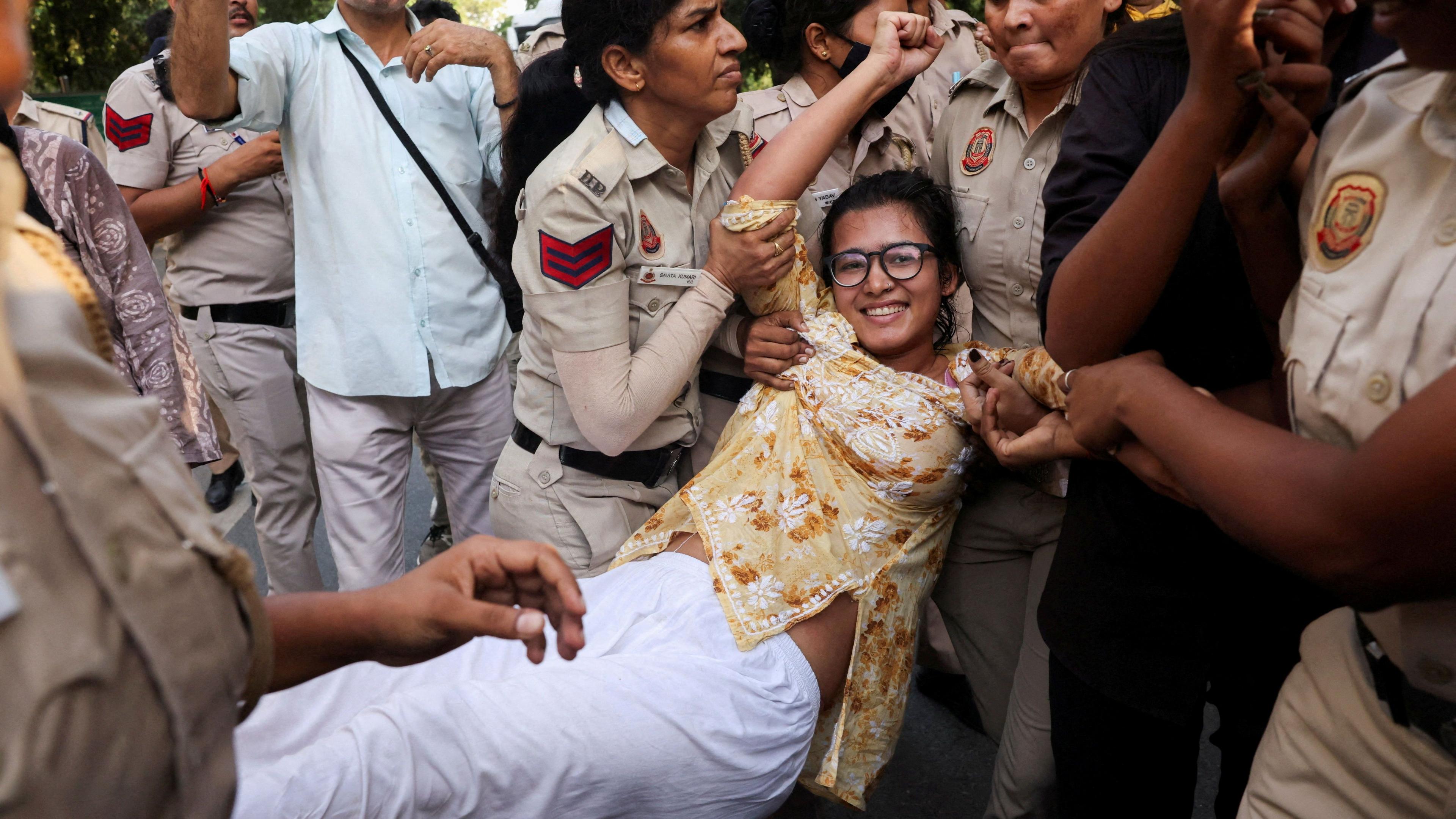
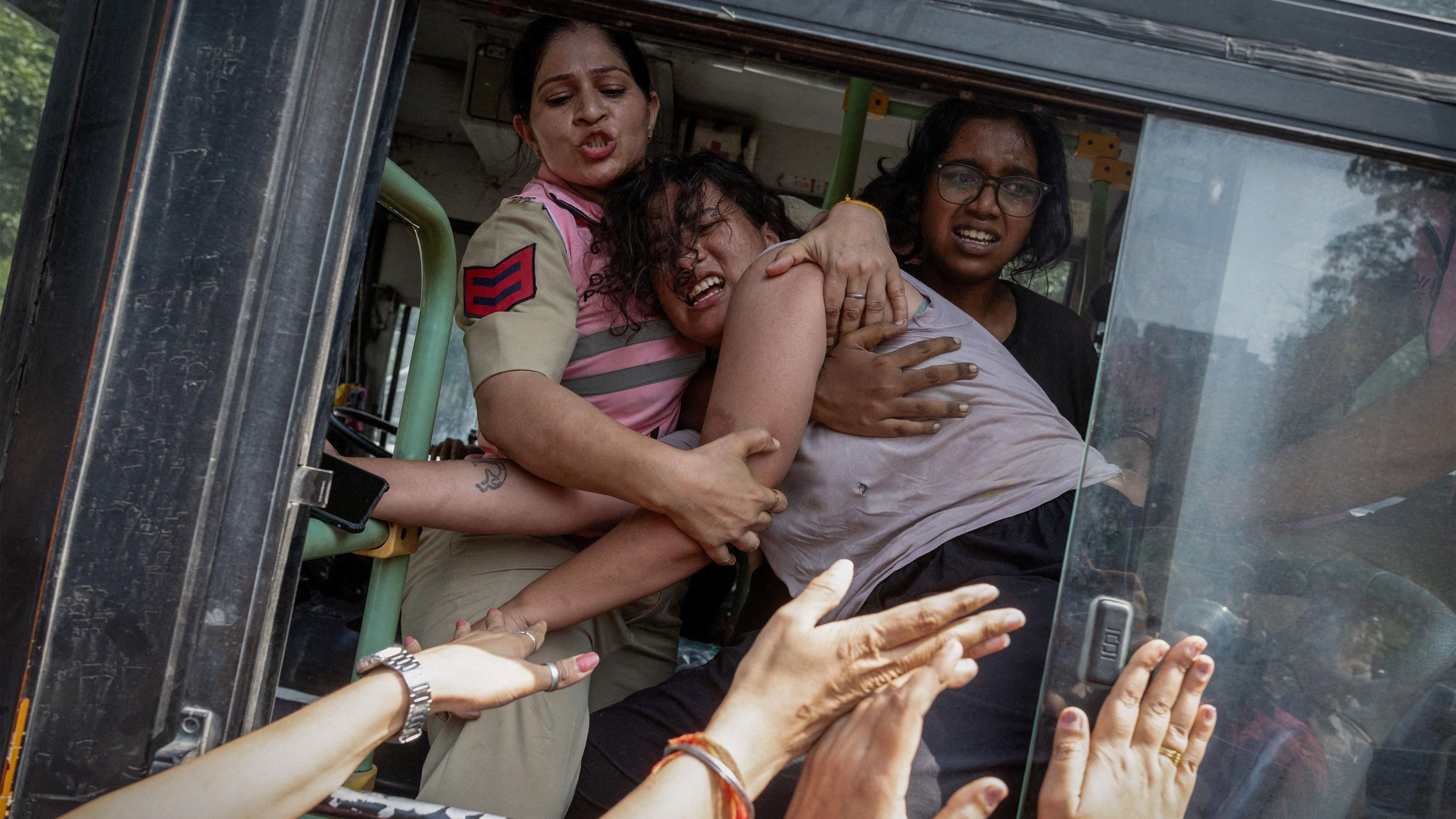
For a single night, roughly seven thousand people—from lawyers and students to pundits and residents—were jailed in a sweeping crackdown. They were discharged late on Saturday, a move that critics say flies in the face of democratic norms while police claim it protects public order.
At the heart of the JJP’s agenda is the resignation of Chief Election Commissioner Gyanesh Kumar. The party alleges that the national voting register is being swept clean in a way that favours the ruling Bharatiya Janata Party, a claim the Election Commission and the government deny.
The movement’s origins can be traced to a 2025 courtroom remark by Chief Justice Surya Kant that compared job‑hungry youth to 'cockroaches'. Abhijeet Dipke, a former Aam Aadmi Party staffer, turned the moment into a viral social media campaign, christening his group the Cockroach Janta Party. Since then it has staged a series of mass protests over education policy and government accountability.
Analysts warn that the timing – just months before a series of state elections – poses a delicate balancing act for the Indian administration. Law enforcement must keep peace, while the electorate must not feel that civil protest is being criminalised.
The second day of demonstrations has begun with a mixture of civic activists, senior lawyers and members of the movement who still hope to break through the police cordon. Only a handful managed to reach the intended rally site in the early hours, then were quickly expelled by riot police.