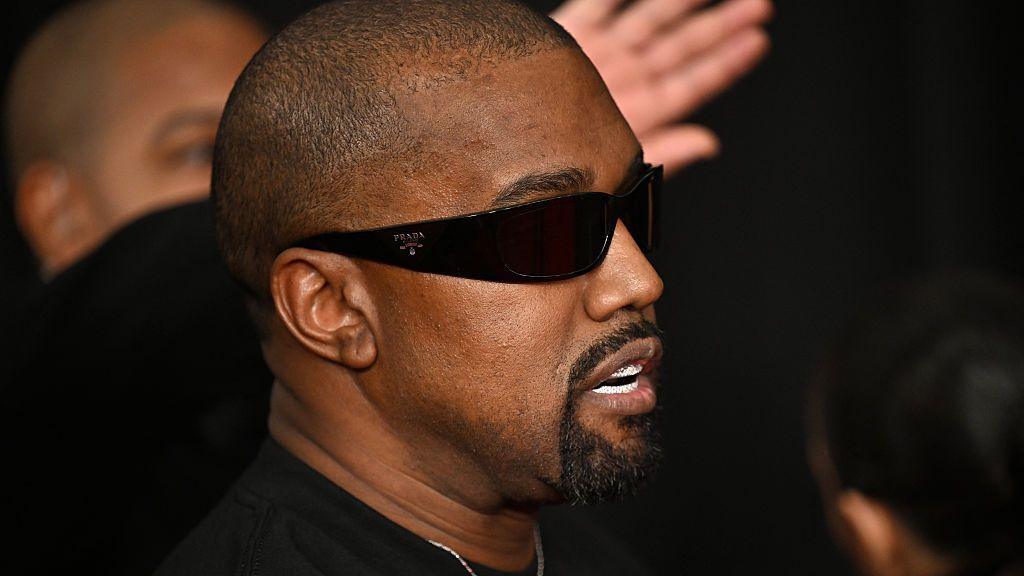

Kanye West, or Ye, had been slated to perform at St Petersburg’s Gazprom Arena on 10 and 11 October, but both dates have been officially cancelled after a period of confusion. The honour of hosting the Western rapper was called into question when the arena announced it had not signed a rental agreement with the concert promoters, a development that put the venue’s legal obligations under scrutiny.
Say Agency, based in Moscow, initially suggested the shows might proceed but later confirmed the cancellations on the messaging app Telegram, citing “sincere regret” and a lack of a viable contract. The agency said it would release an official statement about the status of the project and future plans in the near future, but no further details were offered.
The rider for the concerts had previously raised objections, citing complaints from some Russian audiences regarding West’s anti‑semite and pro‑Nazi remarks. The foreign ministry spokeswoman Maria Zakharova publicly labeled the planned shows as unacceptable and pointed out that West’s pay‑off of historical symbols has drawn widespread condemnation. The artist has issued apologies for his past statements, claiming they were a result of a bipolar disorder and titled his latest releases with controversial lyrics.
The cancellation fits a larger pattern of the artist’s inability to perform in Europe, with events in Poland, Italy and France already called off due to similar concerns. Moreover, West was barred from entering the United Kingdom last summer, forcing organisers to cancel the Wireless Festival entirely. In the United States, however, the singer was able to resume touring, with several high‑capacity stadium shows in Los Angeles, Spain, Portugal and the Netherlands.
Russian officials argued that allowing an American artist who has openly supported the war effort in Ukraine to perform in Russia would be contradictory, while pro‑war bloggers spoke out against the decision. West has yet to respond publicly to the cancellation. The situation underlines how political statements, international relations and event regulation can intersect in the music industry’s global landscape.