President Volodymyr Zelensky said on Friday that Russia was widening its war‑by‑disruption strategy to target Ukraine’s data centres and internet providers. The attacks aim to deny ordinary citizens the ability to stay connected, learn and work.
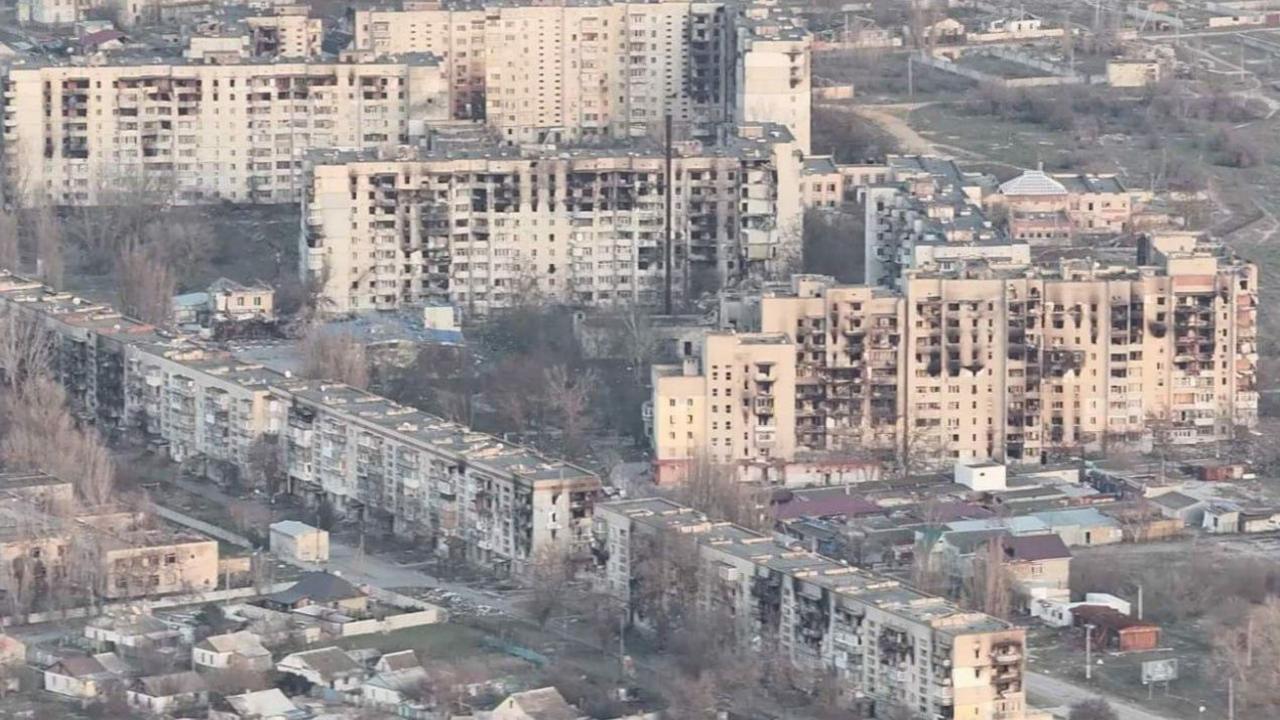
A Russian drone struck a business centre in Kyiv’s centre, killing four civilians and damaging a data hub operated by the firm Datagroup, which the Russian defence ministry now claims was used by Ukrainian military intelligence. The incident coincided with a separate strike that killed a 14‑year‑old Israeli‑national boy in a multi‑storey residential building.
Around 100,000 households in Kyiv and its surrounding region lost internet service as a result of the attacks. Ukrainian officials say they are shifting data to foreign facilities and are implementing new protective measures for critical infrastructure.
Zelensky demanded the world respond, saying, “If Russia can cause maximum disruption on ordinary life, it shows that it does not recognise civilian infrastructure as a protected target.” He announced that decision‑makers had still reached new safeguards for data centres after a meeting with defence and security chiefs.
Other Ukrainian leaders echoed the warning. Foreign Minister Andrii Sybiha emphasised that the “life‑saving information” flowing through these facilities is vital for civilian safety, not a legitimate military target. Defence adviser Serhii Beskrestnov stressed that Ukraine’s network is highly decentralised, so it will remain resilient.
The Russian the‑ministry said it had already struck other cyber‑communication hubs – New‑Telco, United DC, Kyivstar, Parkovyi – and that it intends to hit more data‑processing sites before the harsh winter hits.
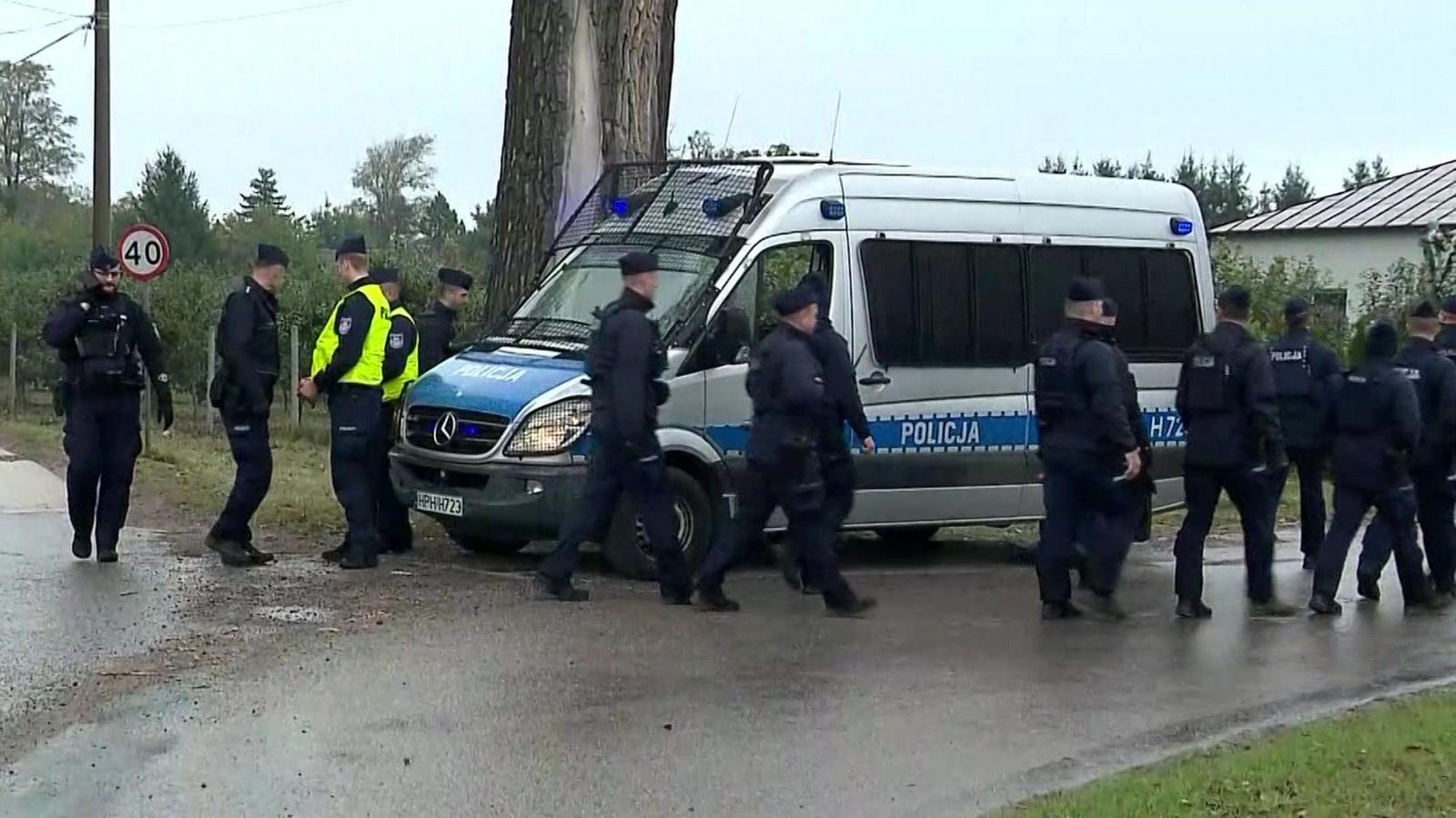
The situation is part of a wider pattern of hybrid attacks, including the recent suspected sabotage of a Starlink station in Poland and an alleged bombing of a NATO airbase in Germany. These incidents illustrate Moscow’s strategy to test and pressure European allies.
The European Union has announced a €6.6 billion aid package for Ukraine, including €900 million for military assistance and €1 billion for joint procurement of equipment. The support is seen as a counter‑measure against the broader Russian hybrid campaign.