Lithuania Prepares Evacuation Plans While Standing Ready Against Russian Threat
Prime Minister Mindaugas Sinkevičius told BBC’s Newsnight that Lithuania has a range of evacuation strategies in place in case of Russian attack, including smooth routes for senior citizens to avoid traffic congestion.
He added that the country would not surrender and would actively fight back if Russia were to launch a military assault, describing the situation as a “real” threat that is felt “constantly.”
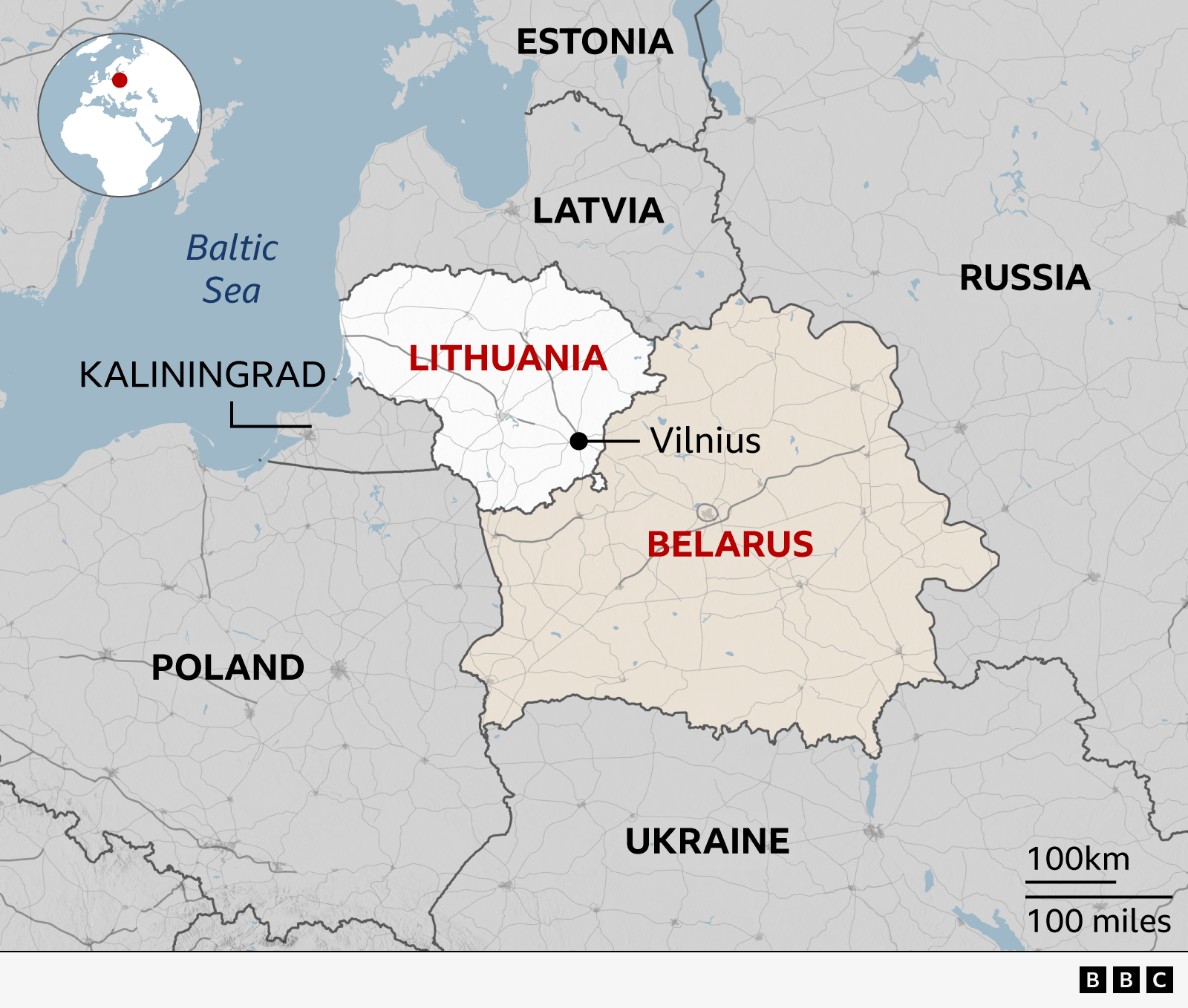
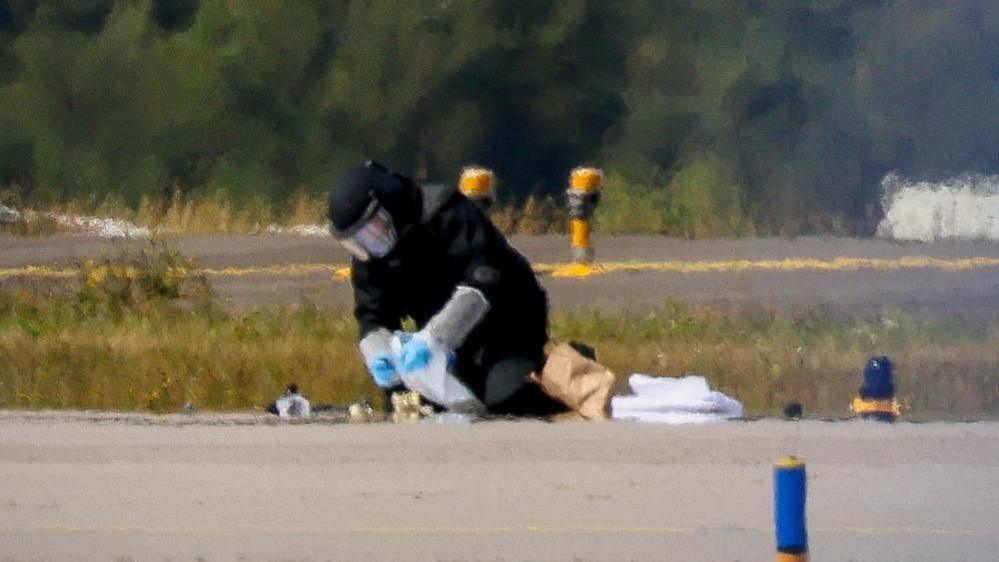
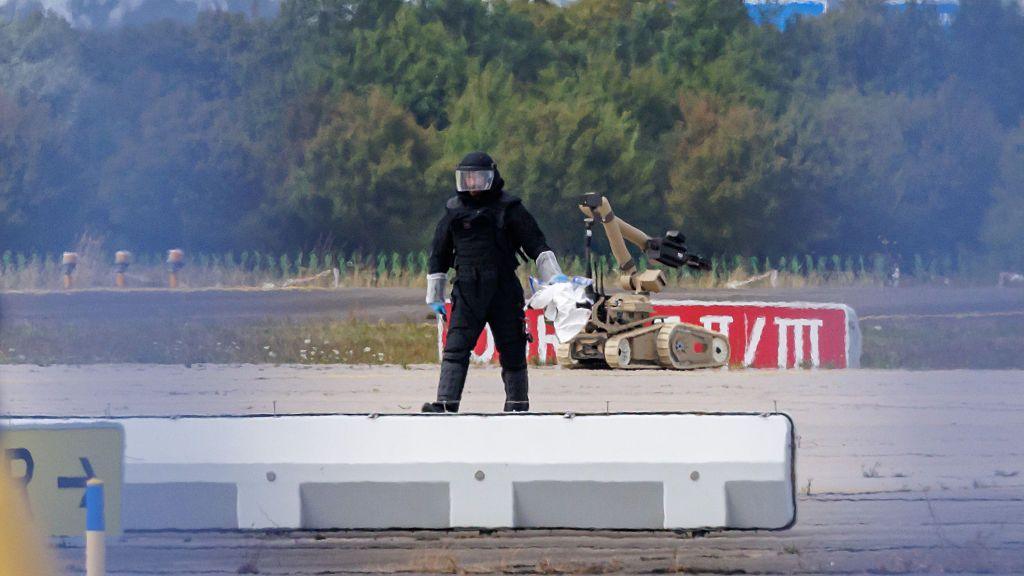
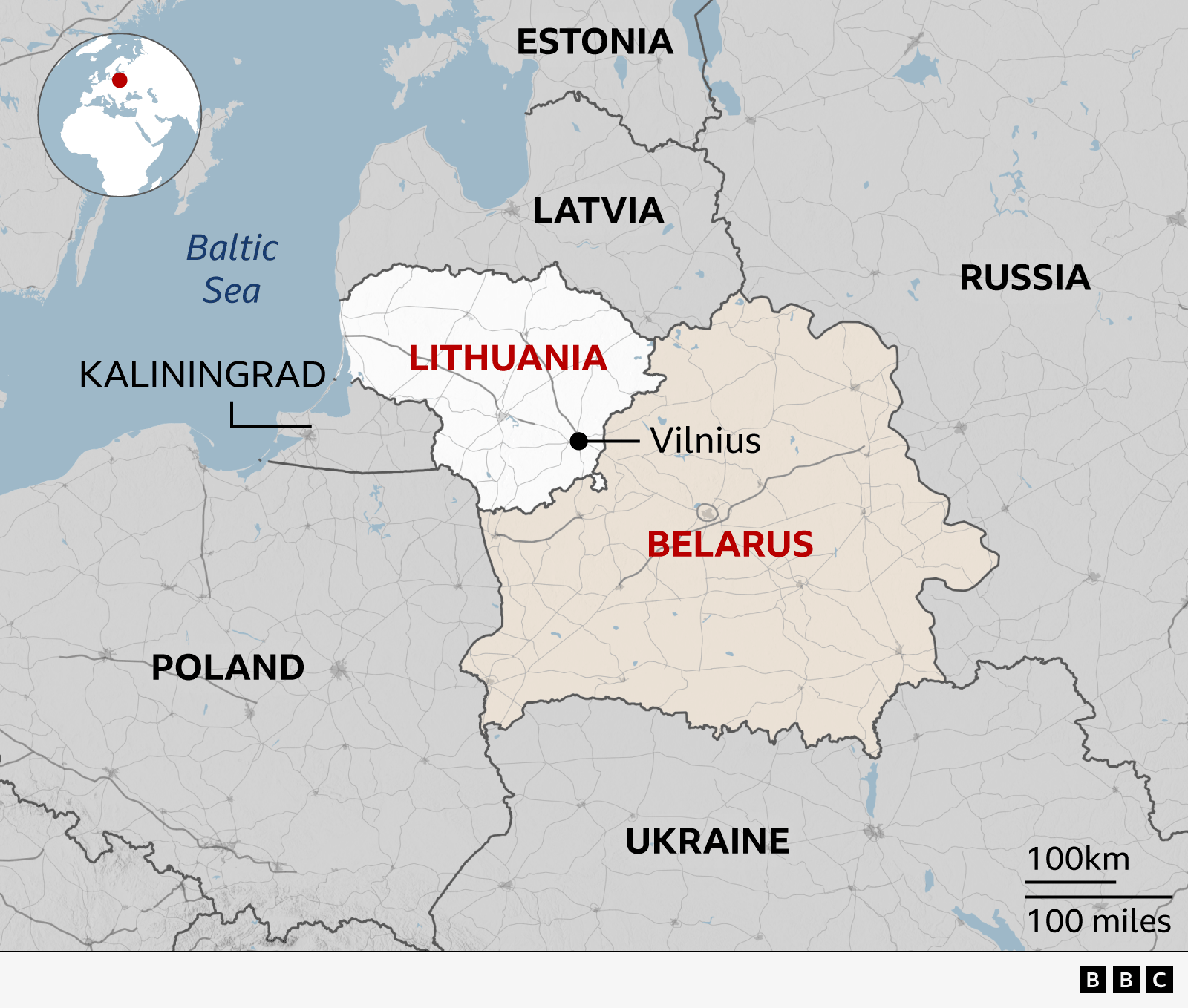
Lithuania, a NATO member, shares a land border with Belarus and the Russian exclave of Kaliningrad. The climate of tension has risen after a number of drone incursions over Lithuanian airspace, the most recent incident involving a drone believed to have originated from Belarus.
NATO has stationed more than 5,000 troops in Lithuania, mainly US and German forces. Germany has committed a permanently deployed, 5,000‑strong combat brigade, with full operational capability expected by the end of 2027. The United States continues to rotate new forces into Lithuanian bases to reinforce the northern flank.
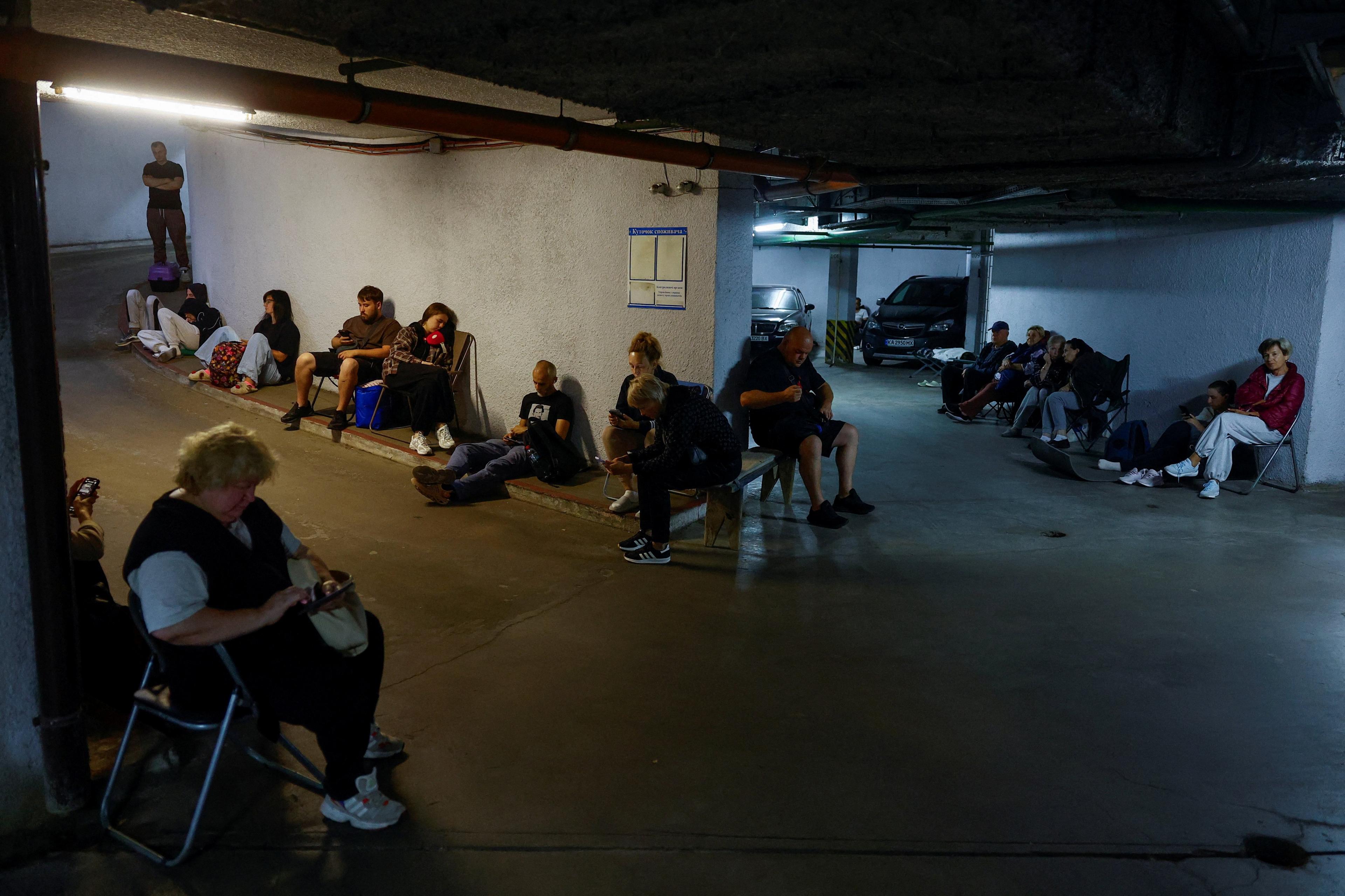
The Lithuanian government describes these intrusions as part of a broader array of “hybrid” attacks, a strategy seen to involve Belarusian and Russian assets. Residents in Vilnius were temporarily forced to shelter following a drone alert that disrupted flights and rail services last month.
In response, NATO’s own jets have scrambled to intercept drones that enter Baltic airspace, underscoring the alliance’s collective defence commitment under Article 5. The United Kingdom’s defence ministry praised Lithuanian and Italian forces for their rapid actions in neutralising a recent drone over Lithuania.
While Moscow has not publicly commented on the incursion, the incident continues to heighten concerns about the security situation in Eastern Europe following Russia’s full‑scale invasion of Ukraine.
Map of Lithuania, Belarus and Kaliningrad