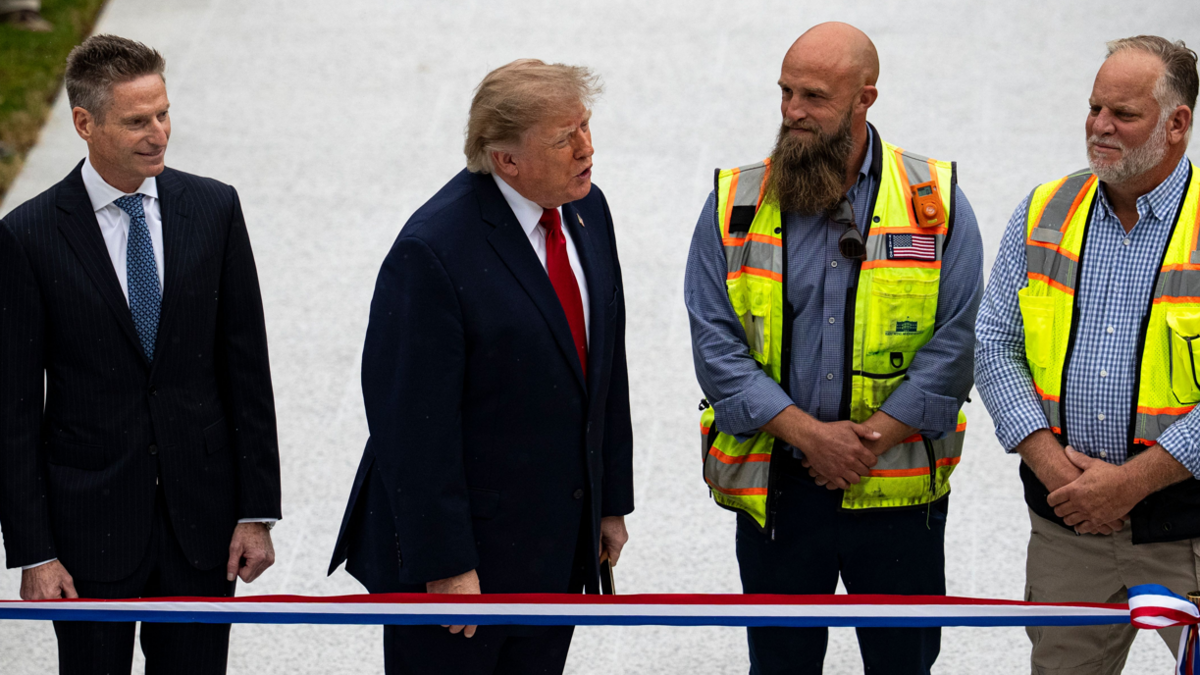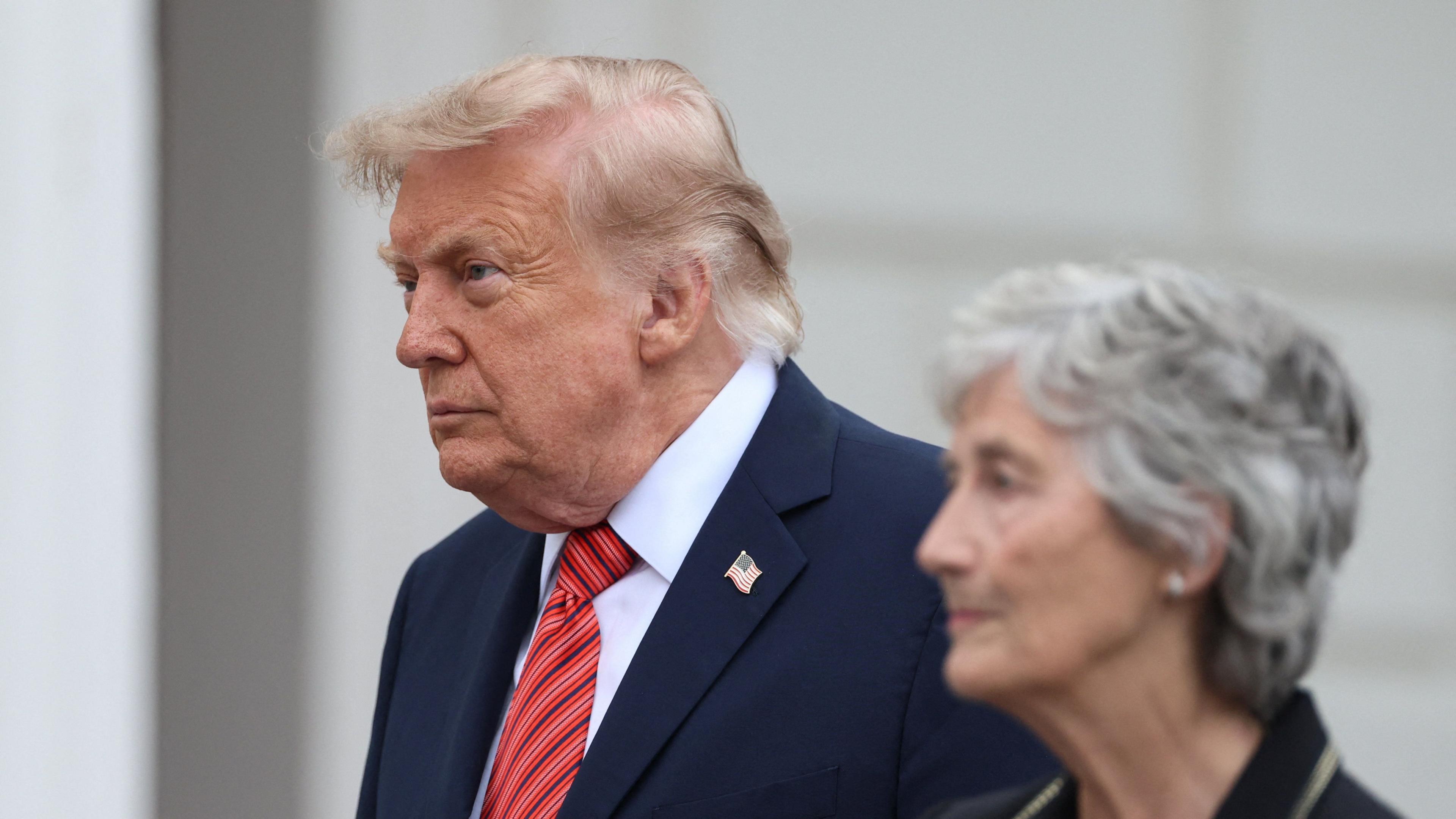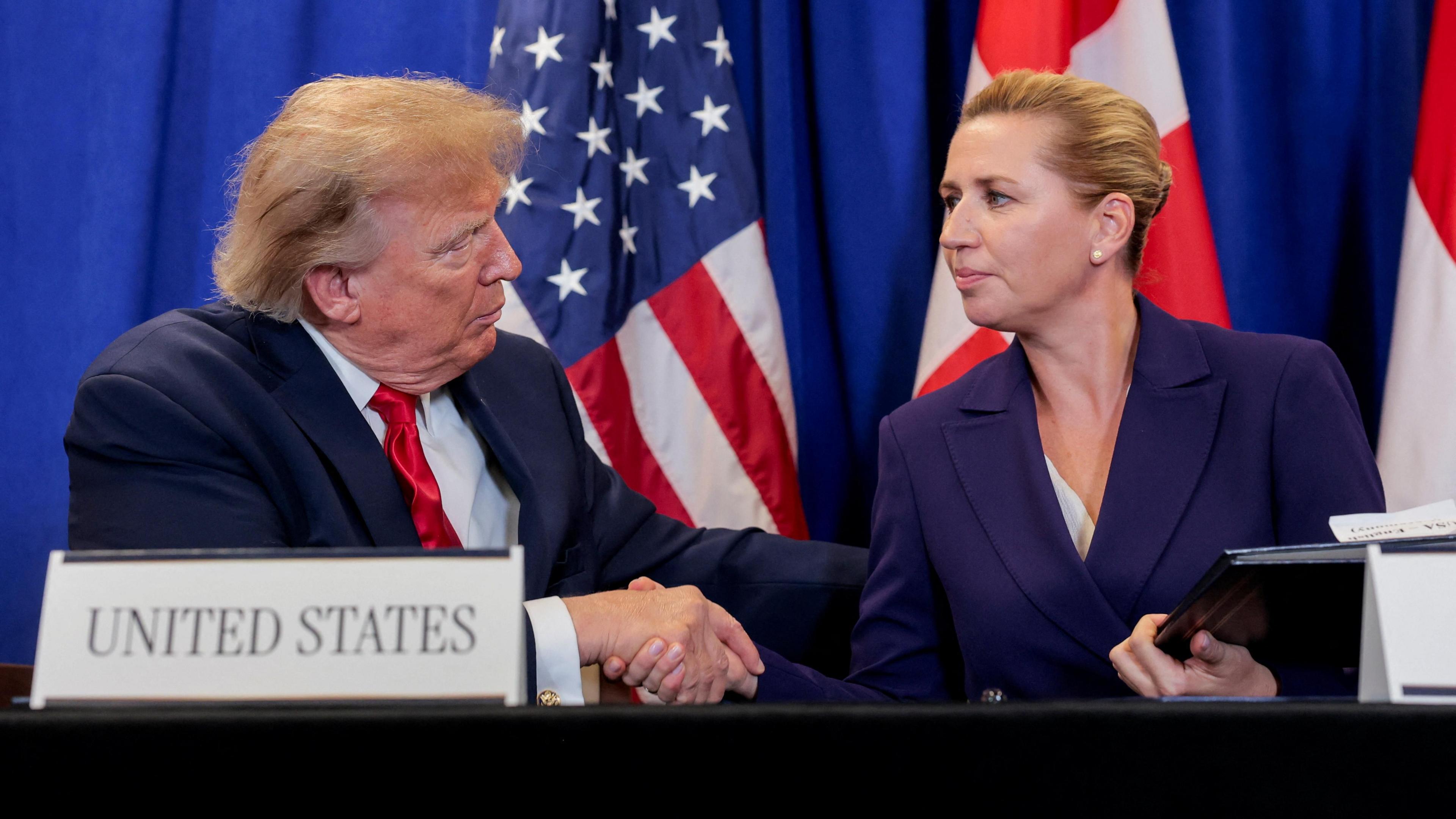
In a United Nations General Assembly ceremony, U.S. President Donald Trump, Danish Prime Minister Mette Frederiksen, and Greenland’s Prime Minister Jens‑Frederik Nielsen signed a revised defense agreement that expands America’s military footprint in the Arctic. The deal authorizes the United States to establish bases at Narsarsuaq, a former civilian airport with a deep‑water harbor and long runway, and Mestersvig, a remote outpost used by a Danish naval sled unit.
The agreement is an amendment to a 1951 defense pact between Denmark and the United States. While it widens the scope of U.S. forces beyond the existing Pituffik Space Base in the northwest, it preserves Denmark’s sovereignty and Greenland’s right to self‑determination. It also explicitly prohibits any non‑NATO state from operating military facilities or maintaining a persistent presence on the island.
Trump’s remarks ahead of signing emphasized a “tremendous” strategic partnership; Frederiksen stressed that the new pact would endure “forever” and respect territorial integrity. The three leaders publicly outlined that the precise technical details of the new installations remain to be jointly agreed upon and will require parliamentary approval within their respective governments.
The negotiation follows months of tensions after Trump suggested the United States might acquire Greenland outright. Those comments drew widespread criticism, prompting joint statements from European officials warning against undermining transatlantic security. The current accord, however, refrains from conceding any ownership or territory, instead focusing on enhanced defense cooperation within the NATO framework.
With the signing complete, the United States plans to modernize its existing facilities and, depending on final agreements, deploy additional troops from its amphibious and air‑borne forces. The two new bases are slated to support maritime patrol, search and rescue, and heightened surveillance capabilities in Greenland’s strategic southern and eastern regions.
The pact signals a shift toward a more collaborative Arctic strategy, emphasizing mutual respect for sovereignty while expanding the United States’ operational reach. Greenland’s small population of 56,000 now faces a new security dynamic that integrates local self‑governance with NATO’s collective defense framework.