White House pool boycott: Trump bans media, stirs constitutional debate
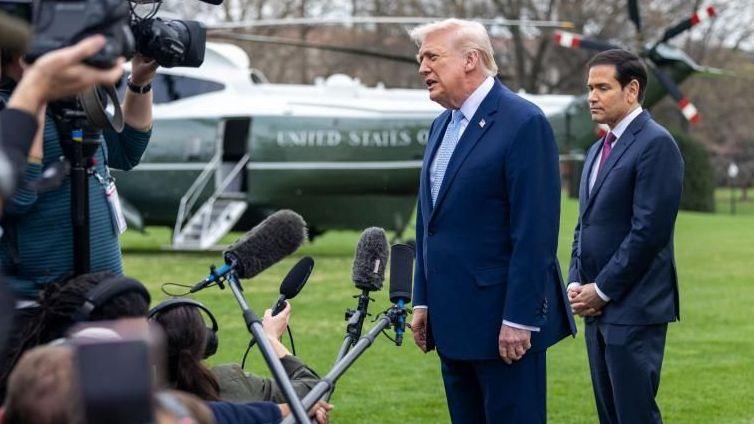
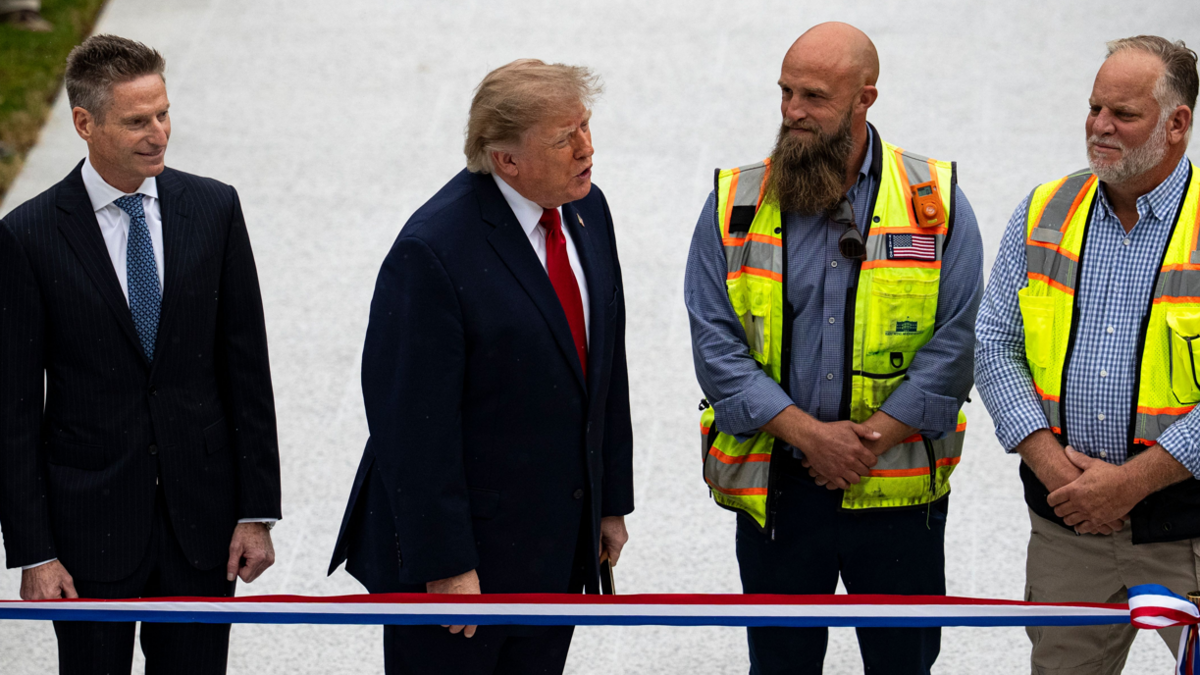
In a routine ceremony to inaugurate a new helipad at the White House, President Trump’s remarks went almost unheard at live television due to the absence of the traditional press‑pool cameras.
The incident highlights a turmoil that has erupted over a century ago: a balance between executive privilege and the press’s right to report.
The white‑house press pool: its purpose and makeup
The pool is a group of news organisations that share resources so they can follow the president wherever he goes – in the Oval Office, at state dinners, in Air Force One or on holiday. Its foundation enabled more than a hundred media outlets to cover a single administration without overcrowding the White House.
There are distinct TV, print, photo and radio pools, and a separate “new media” category, but all teams share material back to the wider press community.
The dispute that ignited the boycott
The conflict began on Friday when the president announced the ban of three outlets – CNN, Politico and MS NOW – citing “fake news” and misinformation. The next day, reporters found their White House badges disabled, and on Monday, the five TV networks withdrew from pool duties.
A quick policy test followed with the launch of the new helipad; without pool cameras there were no live shots or clear audio of the president’s remarks, though a separate meeting with New York’s mayor was captured without issues because it did not rely on the pool setup.
Why the networks withdrew
Network heads said they were withdrawing to protect viewers’ right to independent news, citing the First Amendment’s prohibition against government interference based on content. The refusal to film pool events was announced in a joint statement that also highlighted the court’s role in defending the press against discriminatory practices.
CNN, Politico and MS NOW have filed a lawsuit challenging the ban, citing an immediate court hearing. A joint statement reported that without due process the White House revoked credentials in reaction to the outlets’ coverage, potentially undermining press freedom and public trust.
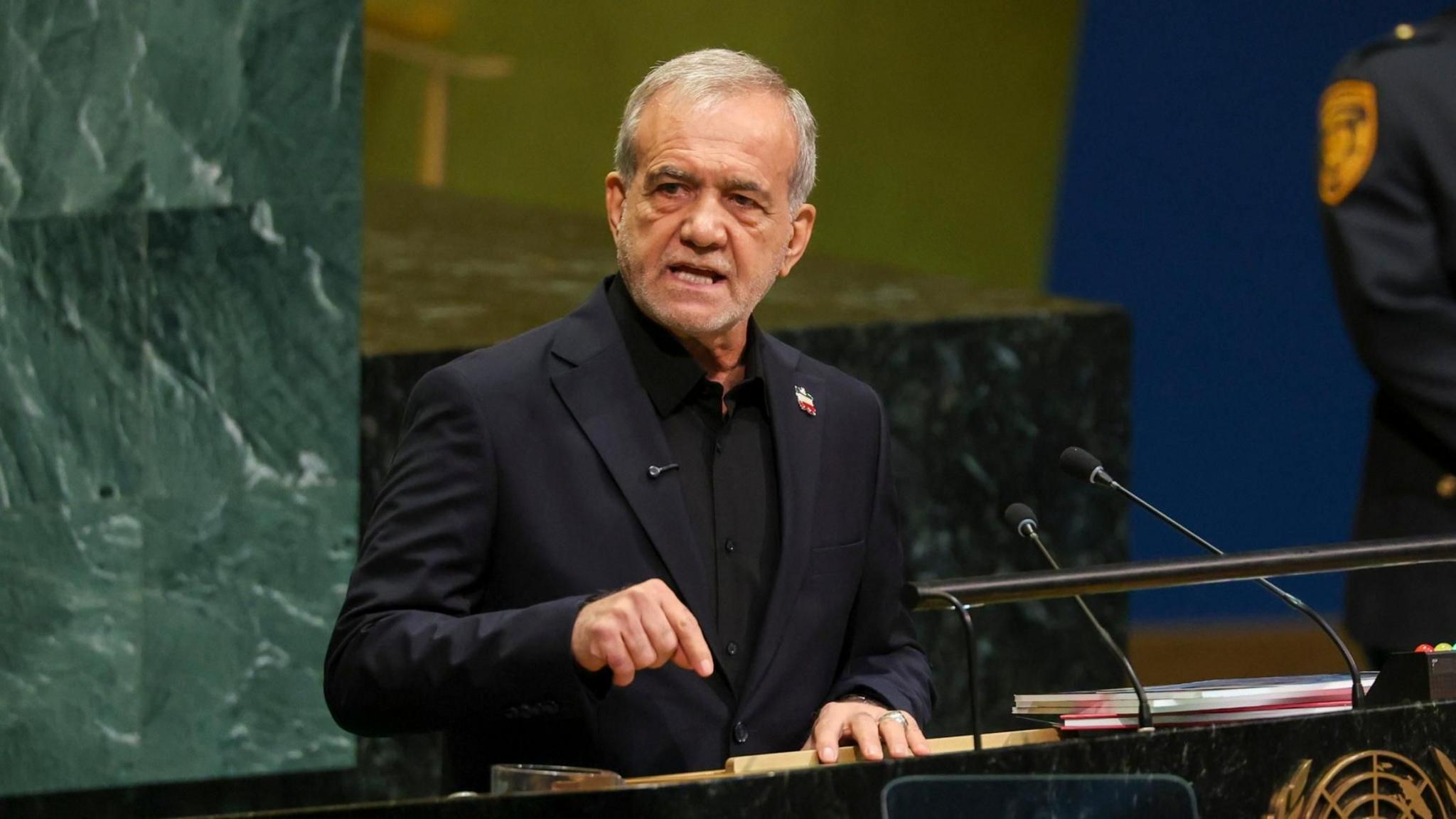
Despite the boycott, the president’s speech at the UN was still covered, as it did not rely on the pool. However, the new policy could affect future events, especially those normally filmed by the pool.
Trump’s reaction and the rise of Trump TV
The president dismissed the outlets as “third‑rate clown” and “crooked and corrupt” in a post on Truth Social, adding that he would not allow reporters who publish negative or false stories to gain access to the White House.
At the same time the White House began broadcasting a 24‑hour stream, dubbed Trump TV, which is currently focused on replaying past speeches and rallies. A new partners list now includes a conservative channel that does not share its footage with other outlets, a stark contrast to the former pooled approach.
Historical comparisons
The current ban echoes earlier attempts by administrations to restrict outlet access. For instance, the Obama administration briefly excluded Fox News from a single pool interview in 2009, only to restore access after pushback from the other networks. The White House has also previously barred AP during a controversial episode over terminology, leading to a lawsuit that remains pending.
Whether the present dispute will provoke a constitutional reset remains to be seen, but the tradition that once bound executive power and media access now stands under intensified scrutiny, with both sides arguing that the other is attempting to erode a long‑standing democratic norm.