An elite‑level football match will take place on Sunday, but it will be played in a neutral stadium, without away fans and with limited television commentary. The Republic of Ireland will travel to Debrecen, Hungary, for an "away" match against Israel in the UEFA Nations League, and on 4 October a "home" match will be held in the remote Serbian town of Backa Topola.
The matches have become politicised because they pit a European national team against a state that many consider a perpetrator of war crimes in Gaza. In February 2024, after the Nations League draw placed Ireland with Israel, Austria and Kosovo, the Football Association of Ireland (FAI) received pressure to boycott the fixtures. After a delegate vote in July, 75 out of 107 members decided to play the games; 32 voted for a boycott. The decision was justified by the risk of UEFA sanctions and potential multi‑million‑euro loss if the matches were cancelled.
No tickets are sold to Irish fans for either match, and RTE will air a stripped‑back coverage version with no commentators or half‑time analysis. Instead, a small allocation of tickets is reserved for Israeli fans at the Hungarian venue, a practice used in five previously‑played Israel home games at the Nagyerdei Stadium.
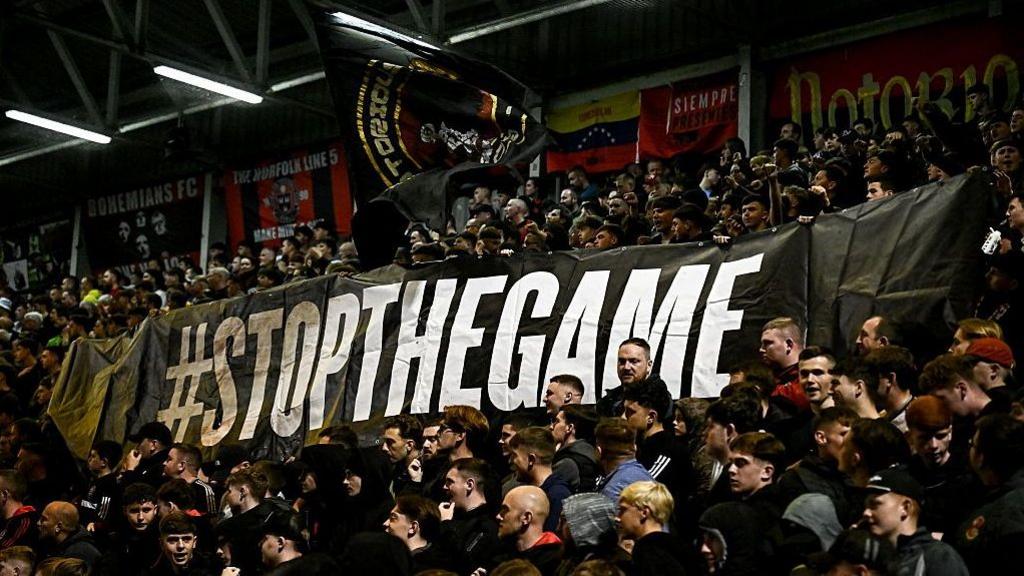
The choice of neutral venues stems from Israel’s stronger diplomatic ties with Hungary and Serbia, countries willing to provide policing and security arrangements. Hungary has played six home fixtures for Israel in the past three years; Serbia’s local authority (back a foreign minister who described Israel as a “strategic partner”) is considered easier to secure for an event deemed politically sensitive. Nevertheless, protests continue: Irish Premier Division club fans have staged demonstrations during domestic matches, and over 160 athletes, including boxer Tyrone McKenna and former European champion Ciara Mageean, signed an open letter urging a boycott.
The Republic of Ireland’s political stance has deep roots. In May 2024, the country formally recognised a Palestinian state, joined South Africa’s genocide case against Israel at the International Court of Justice, and banned goods from illegal Israeli settlements. It also banned Israeli entry for ministers and withdrew from Eurovision in 2025 over Israel’s participation. Irish foreign minister Helen McEntee has publicly asserted that international law is being breached and that “an attempt to erase a population” is underway. Israel’s reactions label these actions as hypocrisy and condemn them as diverging from self‑defence narratives following the Hamas raid on 7 October 2023.
The conflict’s timeline has prompted further scrutiny: a UN commission in 2025 found that Israel had committed genocide against Palestinians; a 2026 investigation confirmed deliberate targeting of children with military force, constituting genocide, crimes against humanity and war crimes. While Israel repeatedly rejects the allegations, the international community has taken steps that question its participation in sport.
The broader European scene reflects a diverging perspective. Belgium declined to host Israel in 2024, forcing a Hungarian venue. The Norwegian Football Association’s president, Lise Klaveness, called for Israel’s suspension from European competition, and Turkey joined the call. Amnesty International stated that UEFA gives Israel an international stage without justice, while UEFA officials debated a possible ban on Israel, an effort stalled by a ceasefire announcement in October 2023.
The match therefore sits at the intersection of sport, politics and international law. While the decision to play in neutral venues may mitigate on‑field unrest, it has not ended protests or tempered the debate on Israel’s place in global football. The contest will not only test national teams’ resilience but also how governing bodies navigate politics in a sport that has historically sought to remain apolitical—and whether they can keep the elusive equilibrium in a world where even matches can become charged with protest.