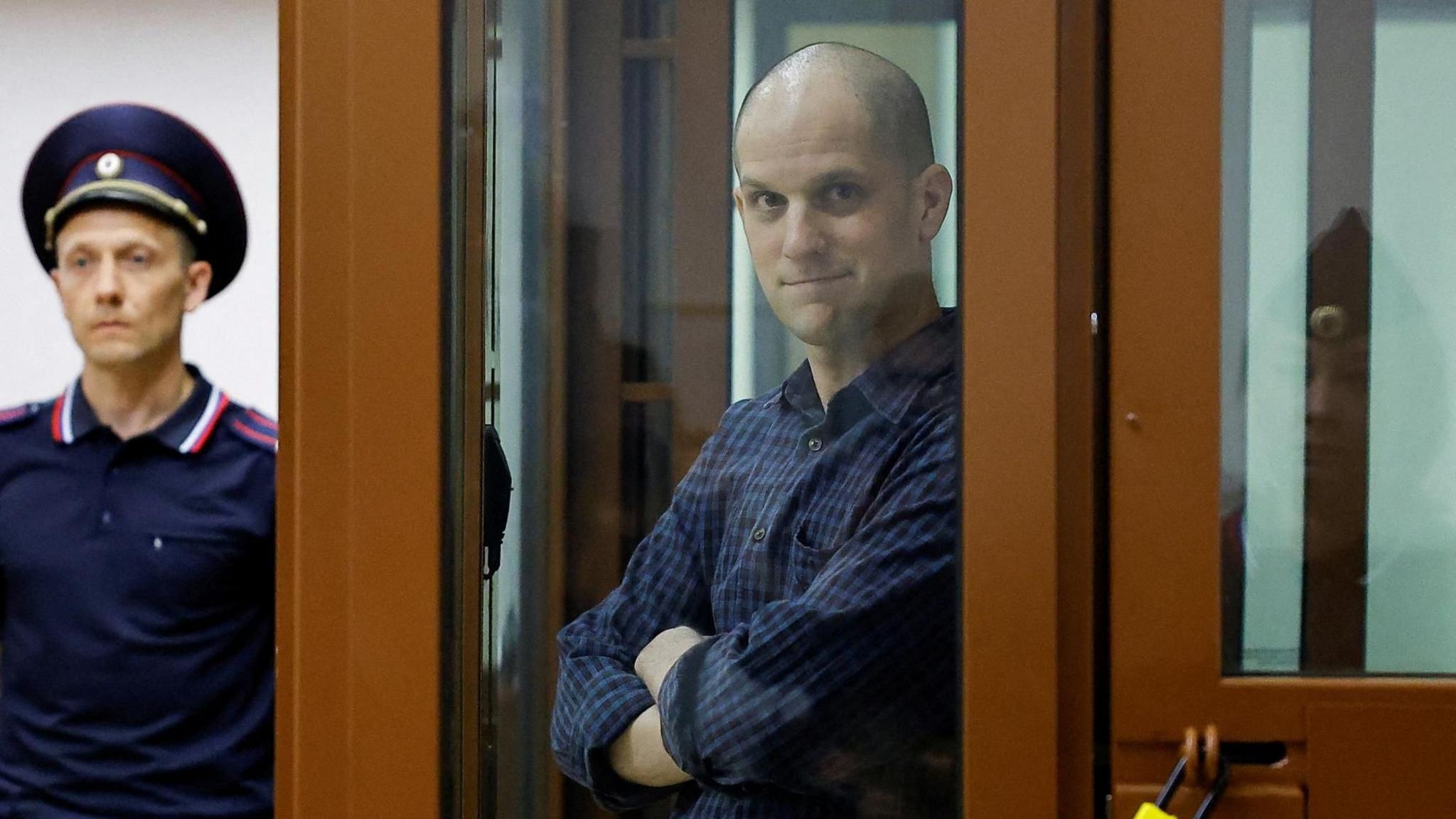
U.S. journalist Evan Gershkovich, a former Wall Street Journal correspondent in Moscow, told the BBC that he understood he was 'lured into a trap' when masked men surrounded him in a Yekaterinburg restaurant in 2023 and arrested him on espionage charges.
He received a 16‑year sentence but was freed after 16 months as part of a high‑profile prisoner swap. During his detention he recognized that the Fal’ting lack of interrogation and torture implied he was meant to be a bargaining chip, not a hard‑fought enemy of the state.
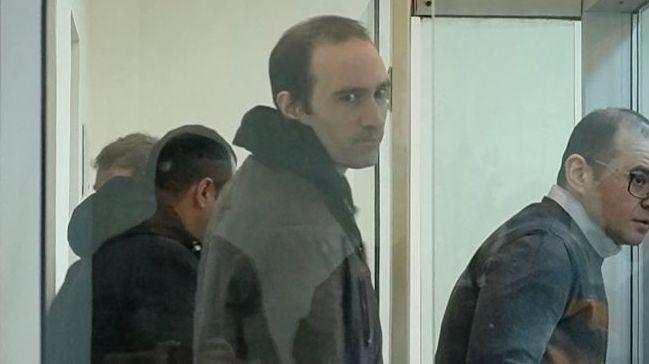
The isolation of Moscow's Lefortovo jail left him in a small cell, but he reported adequate food, light breaks and that he was allowed to sleep. He described how the Russian authorities openly staged his court appearances, hoping to project a façade of normalcy while using him as leverage in international politics.
A global outcry followed: Gerts contemporaries, Times Square billboards and U.S. President Joe Biden publicly declared that bringing him home was a higher priority than many other issues. The swap, announced in August 2024, involved Vadim Krasikov, a Russian assassin imprisoned in Germany, and was carried out without new sanctions against Moscow.
After his release, Gershkovich has spoken openly about the psychological toll, including panic attacks and sleep loss. He sought therapy, wrote a book about his ordeal, and reflected on the stark difference between his treatment and that of Ukrainian journalist Viktoriia Roshchyna, who died under Russian captivity.
He warns that the future of press freedom in Russia remains uncertain; his own return would depend on political changes following President Vladimir Putin. Gershkovich remains based in Berlin, where he continues to report on international affairs while grappling with the legacy of his detention.