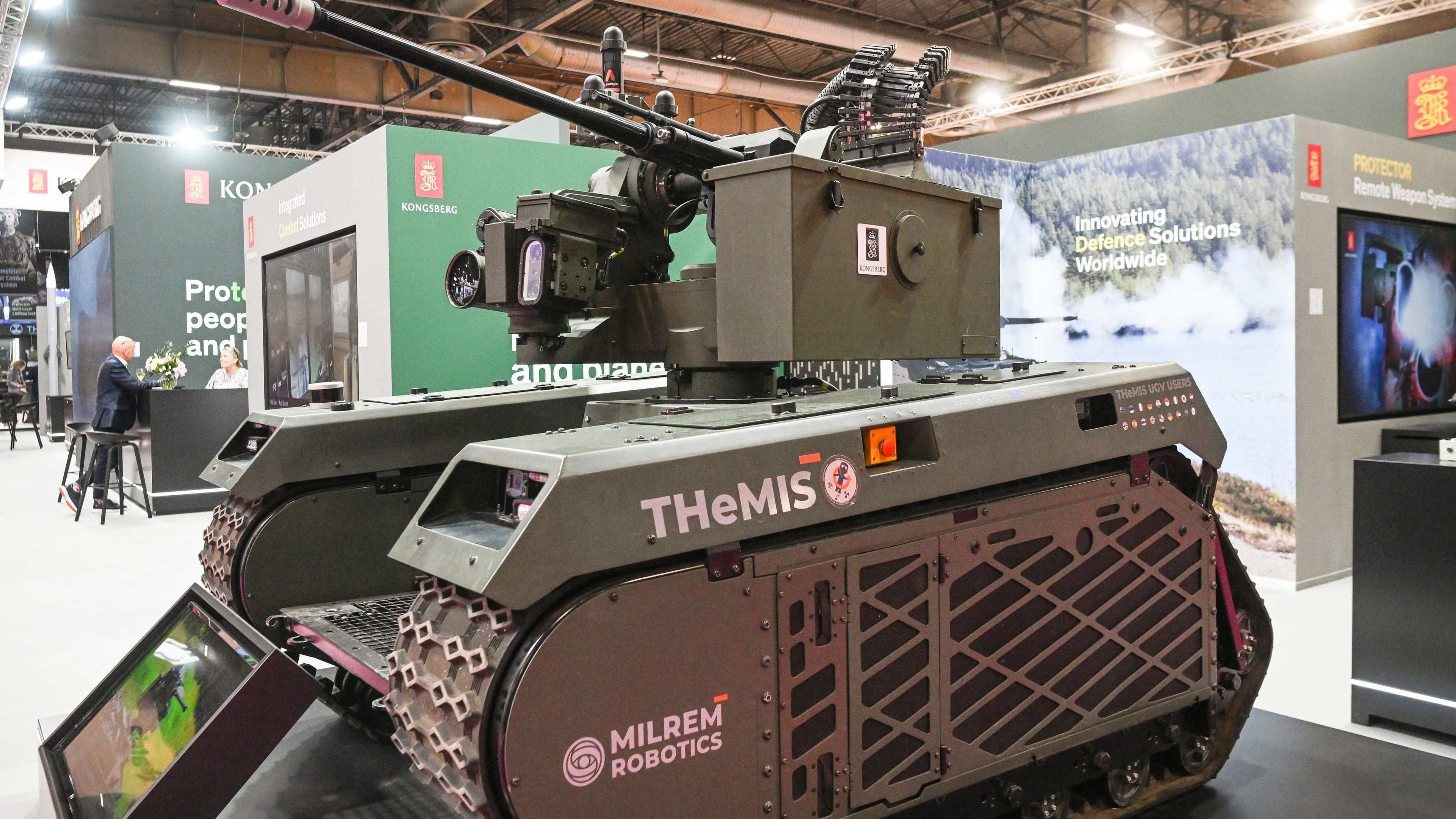

Estonia Blames Russia for Arson Attack on Defence Company Supplying Ukraine
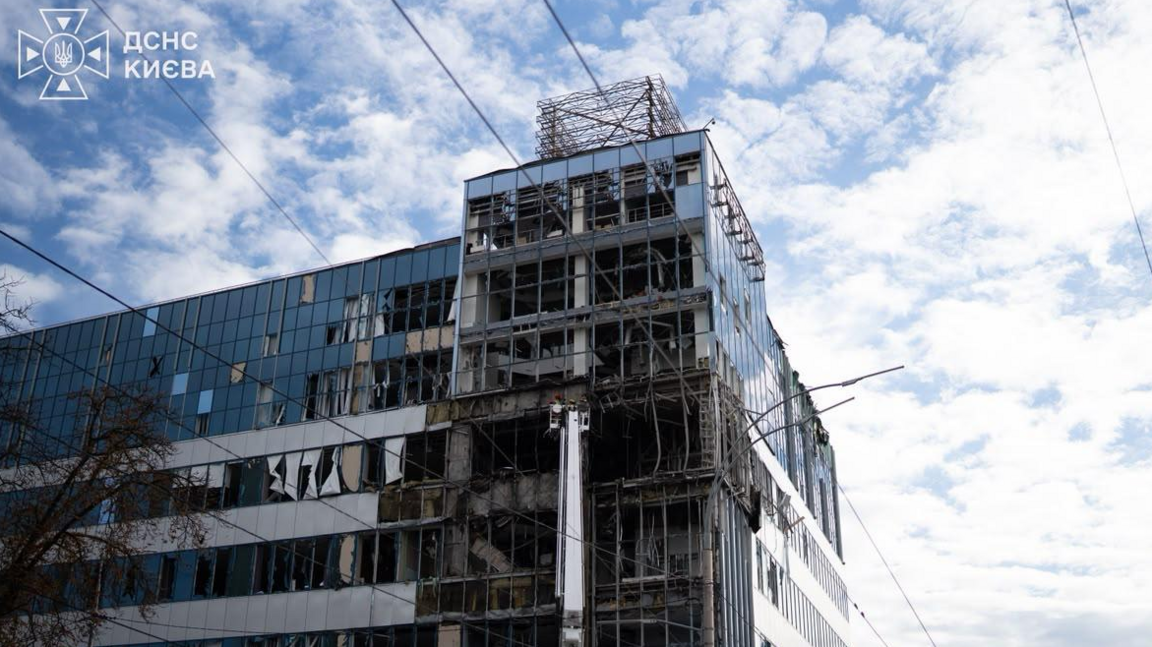
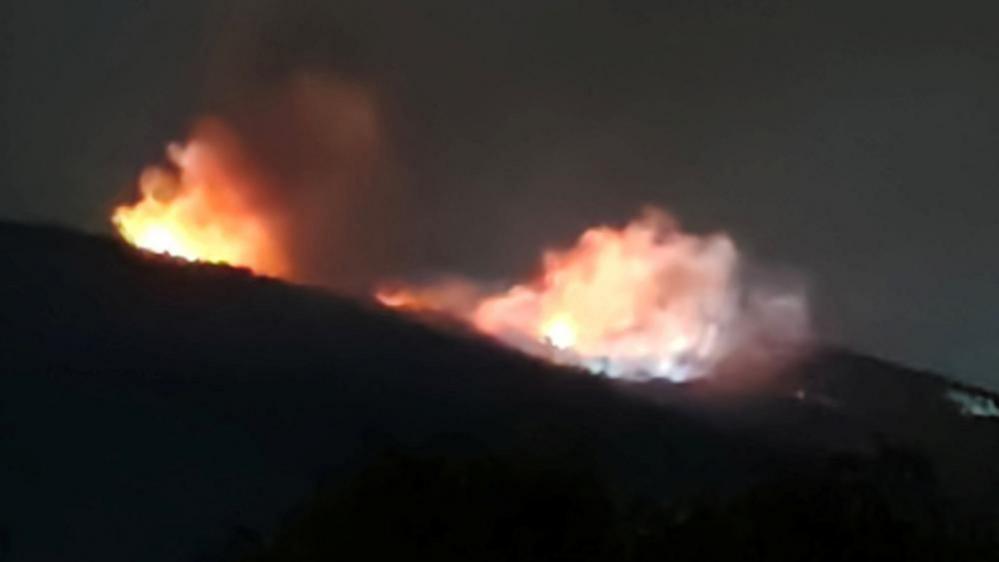
On the night of 14‑15 August, a fire broke out at Milrem Robotics in Tallinn, a key supplier of unmanned ground vehicles to Ukraine’s armed forces.
Prime Minister Kristen Michal said the blaze was a sabotage order from Russian special services, citing intelligence gathered by the state security agency. Foreign Minister Margus Tsahkna confirmed the conviction of three Latvians who had lived in Russia and carried out the attack, stressing that it was Russia’s first successful sabotage in the country this year.
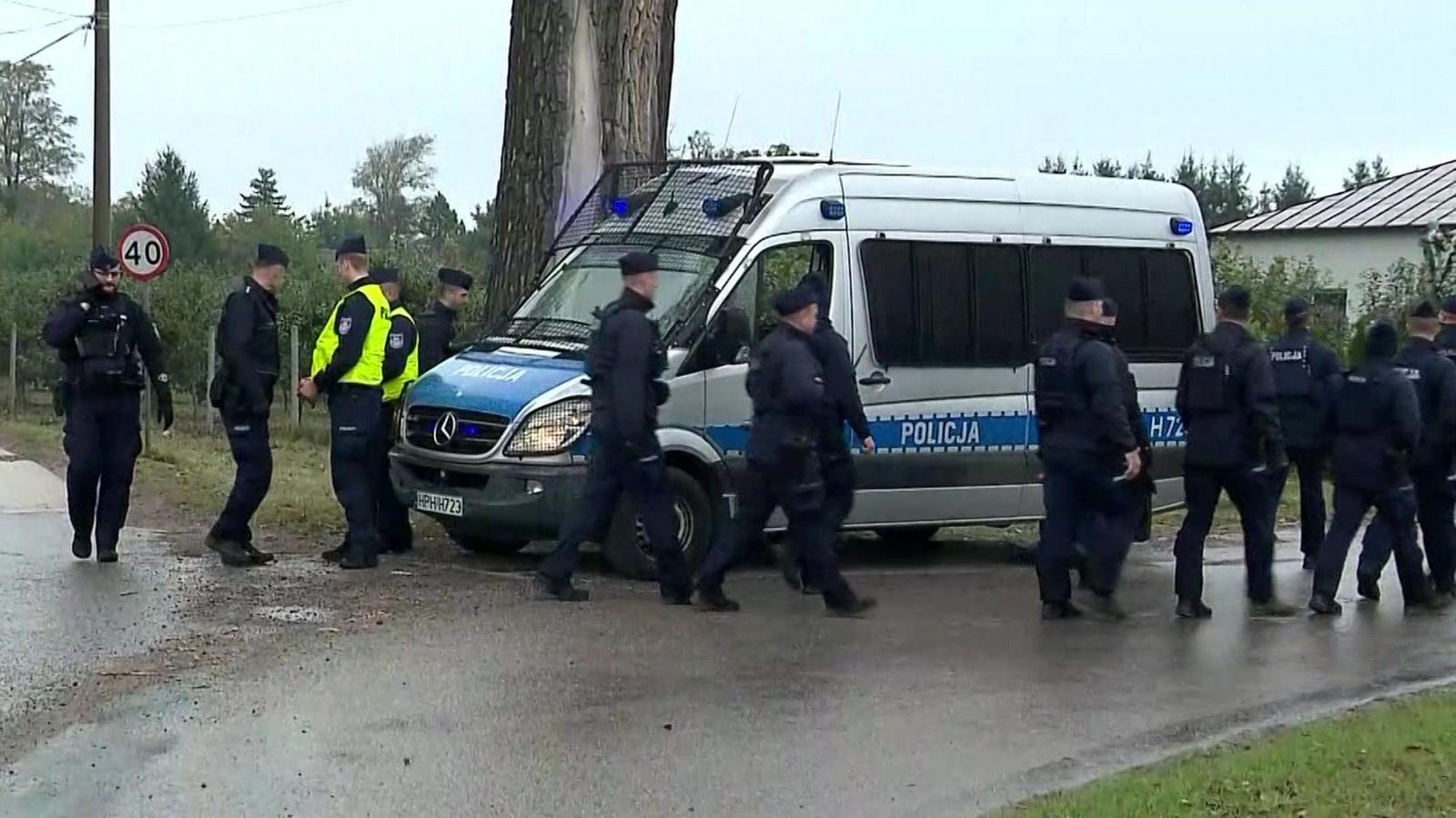
Over the past month Russia has been accused of similar attacks across Europe, including an explosive drone near Ukrainian cargo at Leipzig airport, a warehouse fire in Bulgaria, an explosion at an Italian munitions plant, and incidents in Poland and Slovakia. These actions are described by analysts as a wave of hybrid warfare targeting the supply chain that supports Ukraine.
European Union officials emphatically rejected the allegations and reaffirmed that EU support for Ukraine will not waver. French President Emmanuel Macron called the escalation a dangerous step that will not change NATO’s unity, while NATO chief Mark Rutte urged allies to remain steadfast against Russian provocations.
Russia denies any involvement, with spokesman Dmitry Peskov calling accusations “baseless and lacking any reason.” The incident adds another chapter to the ongoing debate over the use of sabotage, cyber‑attacks and misinformation as tools of influence in the broader conflict with Ukraine.
With the Tallinn attack confirmed as a targeted act against a strategic defence contractor, Estonia’s findings underscore the growing concern that hostile states are increasingly willing to employ covert acts of violence to destabilise alliances and deter support for Ukraine.