Dolly Parton: From 9 to 5 to a Legacy of Hope
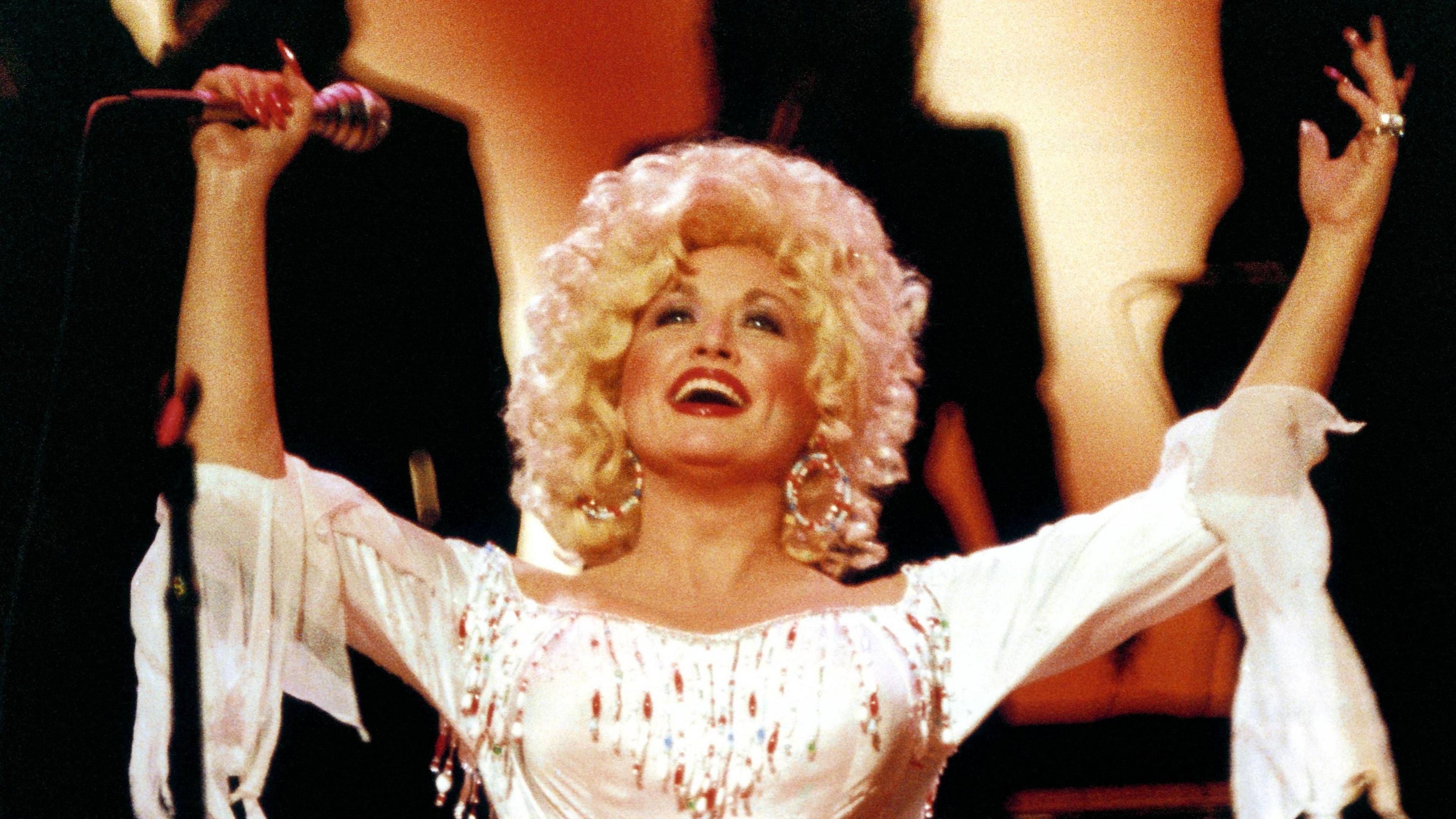
In the early 1980s, Dolly Parton’s Hollywood debut in 9 to 5 gave rise to its rousing title song, a tune born in a set where her guitar was banned. “I strummed my acrylic nails to create the beat,” she recalled. The resulting hook, a lively anthem energised by the clacking rhythm of a typewriter, resonated with countless workers facing sexist workplace dynamics. The song quickly became her only U.S. number‑one solo single and earned her an Oscar nomination for Best Original Song.
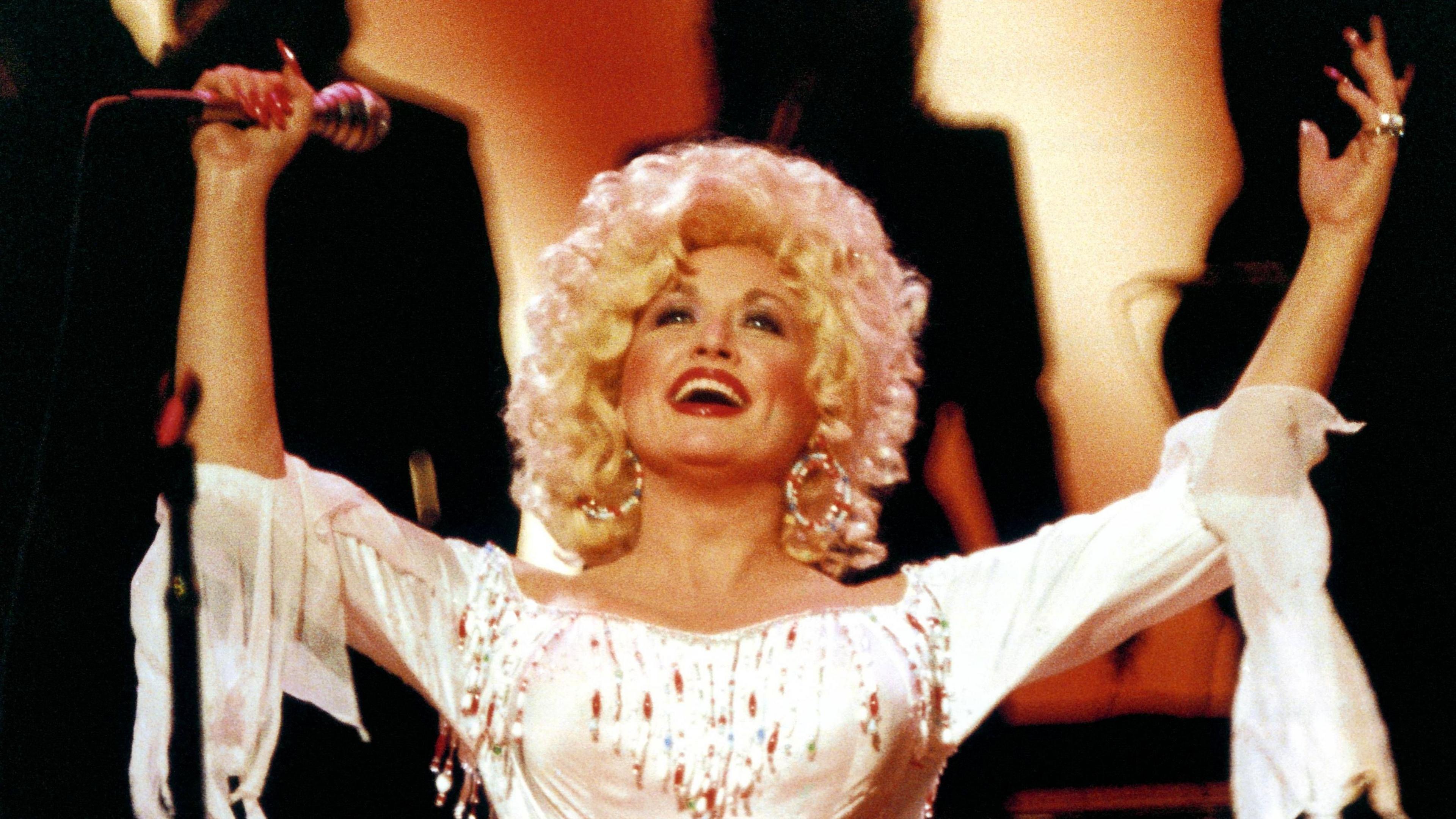
Parton’s early career was rooted in television. In 1967, as the “girl singer” on The Porter Wagoner Show, she produced 21 hit duets such as Just Someone I Used to Know and If Teardrops Were Pennies. The partnership ended when she asserted her independence and later wrote “I Will Always Love You” as an apology to her mentor, a move that even led to a costly lawsuit from Wagoner. She settled, securing her songwriting rights and maintaining creative control.
Her songwriting approach—diaristic, empathetic, and often grounded in personal experience—earned her anthems that spanned genres. The 1974 record My Tennessee Mountain Home is a musical autobiography, while “Coat of Many Colors” recalls a childhood of resilience and modesty. These songs, combined with feminist tracks such as “Just Because I’m a Woman”, challenged gendered expectations with wit and sincerity.
Beyond music, Parton’s philanthropy ran as strong as her record sales. In 1992, she declined to give Elvis Presley half the publishing rights to her song. Instead, she used the royalties from Whitney Houston’s rendition of “I Will Always Love You” to fund a black neighbourhood in Nashville—an act of purposeful generosity that earned her the nickname “the backbone of steel” among contemporary artists like Taylor Swift.
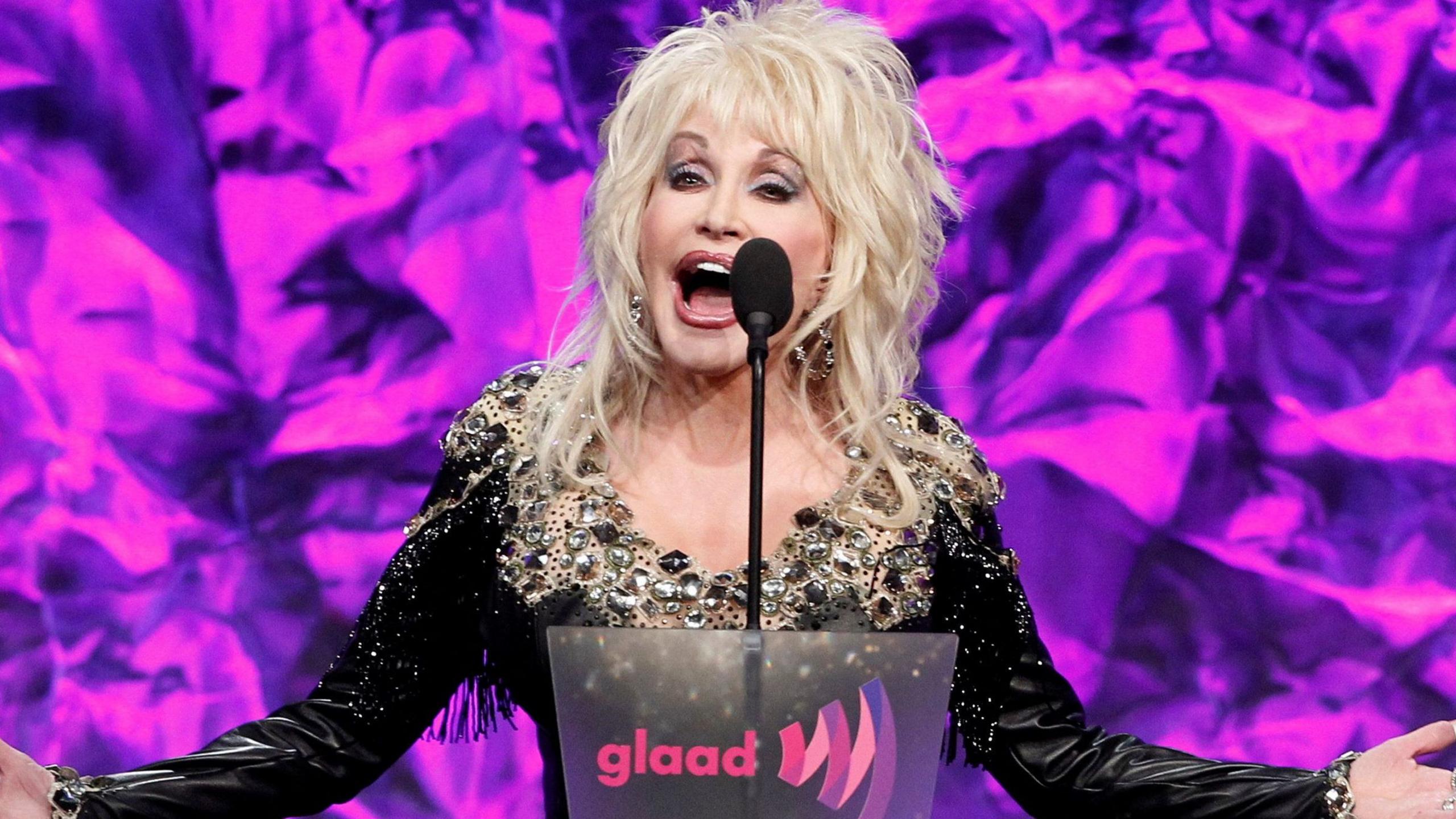
Her influence extends to contemporary activism: she has backed GLAAD events, championed children’s literacy with over 200 million books, and opened scholarships to impoverished students. Her music’s enduring relevance highlights the power of authenticity and community‑oriented artistry—values that continue to shape new generations of artists and listeners alike.