Heart, Hope and Steely Determination: Dolly Parton’s Musical Legacy
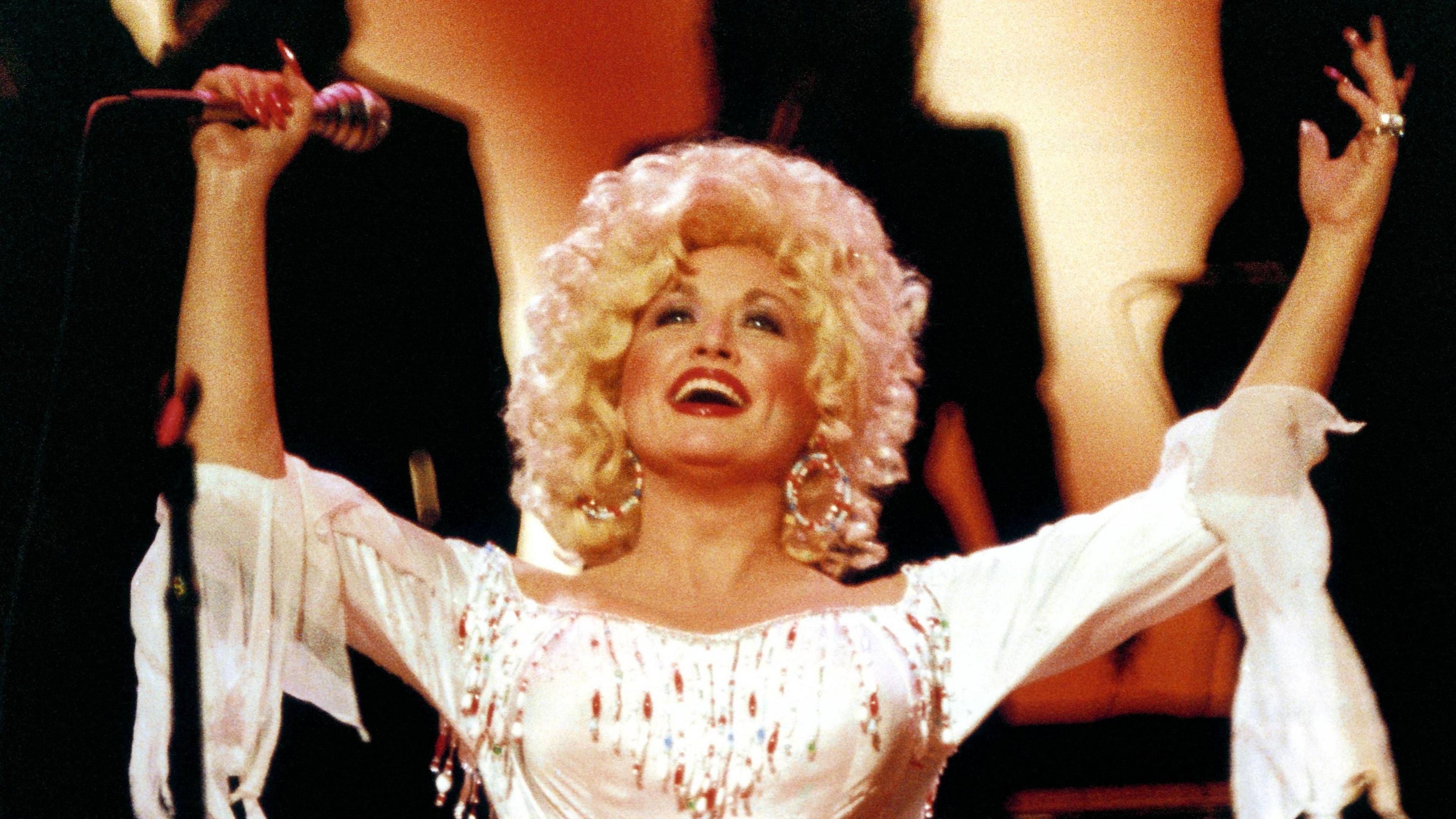
In 1980, while shooting her first Hollywood film, 9 To 5, Dolly Parton would compose the iconic theme song inside a set that refused her guitar. She struck the rhythm using her acrylic nails, a moment that echoed the typewriter sounds of her on‑screen secretary, who faced workplace harassment.
The song’s simple beat and candid chorus captured a woman’s frustration and turned the film into a cultural touchstone. Its month‑long success led to an Oscar nomination and marked Parton’s only US number‑one as a solo artist.
Early Roots and Empowerment
Within her teenage years, Parton was already penning music, her first not even a word, but an ode dedicated to a handmade doll called a "tiny tassel tops." By the early 1970s she had struck a partnership with country star Porter Wagoner, together making 21 duets before she decided her future lay in solo success.
Her autobiography recounts settling a $3 million lawsuit with Wagoner for $1 million to maintain independence, a move echoing later cautious business choices.
A Relatable Feminist Anthem
The refrain of 9 To 5 doesn’t merely sing about work—it highlights a power imbalance, with lyrics that illustrate how “rich men” run the game and “you spend your life putting money in his wallet.” The chorus reframes the everyday struggle as a rallying cry for working women.
Parton’s discontent found earlier roots with songs like Just Because I’m a Woman and When Possession Gets Too Strong, both pushing back against gendered double standards.
Defending her Own Rights
Parton’s moment of integrity shows when Elvis Presley expressed interest in covering "I Will Always Love You," yet his manager demanded half of the publishing rights. She refused, stating she would protect her family’s interests, and subsequently saw the song become a global classic—selling enough to buy a stop sign or a real house.
Her ownership of the song facilitated the later 1992 hit by Whitney Houston; the royalties were reinvested into a Nashville black neighborhood, strengthening community ties.
Giving Back and Inspiring Future Generations
Beyond her catalog, Parton has channeled wealth into more than 200 million donated books, scholarships, and funds to aid students across America. She stands as an advocate for diversity and opportunity, often working within venues that encourage inclusive artistic expression.
Her lighthearted yet sharp songwriting—“Jolene,” “All I Can Do,” “Backwood Barbie”—is a simple reminder that talent can be rooted in everyday authenticity and that public success can be paired with social responsibility.
Parton’s lessons echo within the actions of contemporary artists such as Taylor Swift, who recently re‑recorded her hit catalog to prevent royalties from leaking to third‑party investors, an initiative praising Dolly’s "backbone of steel" that guards an artist’s self‑worth.