Clancy Trial Juries Face Tension as Defense Seeks to Dismiss Juror
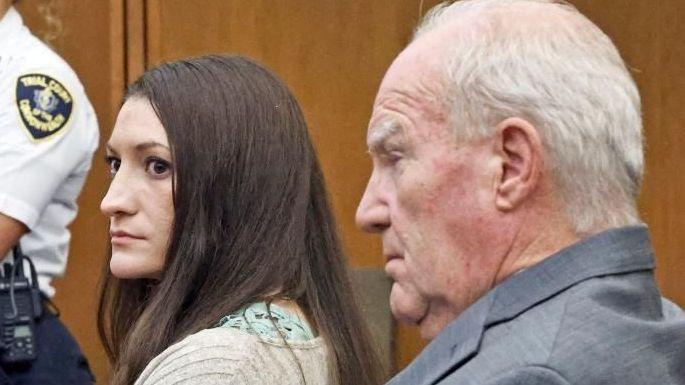
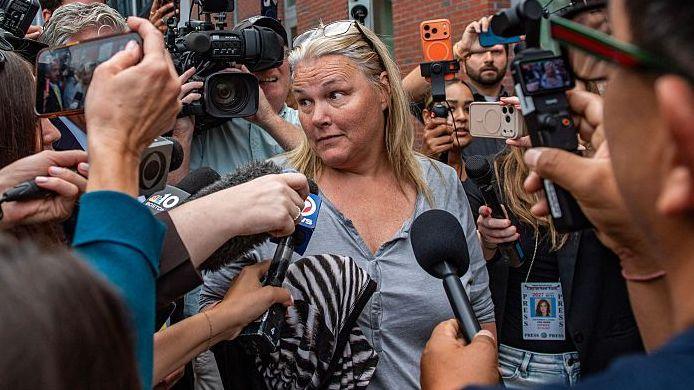
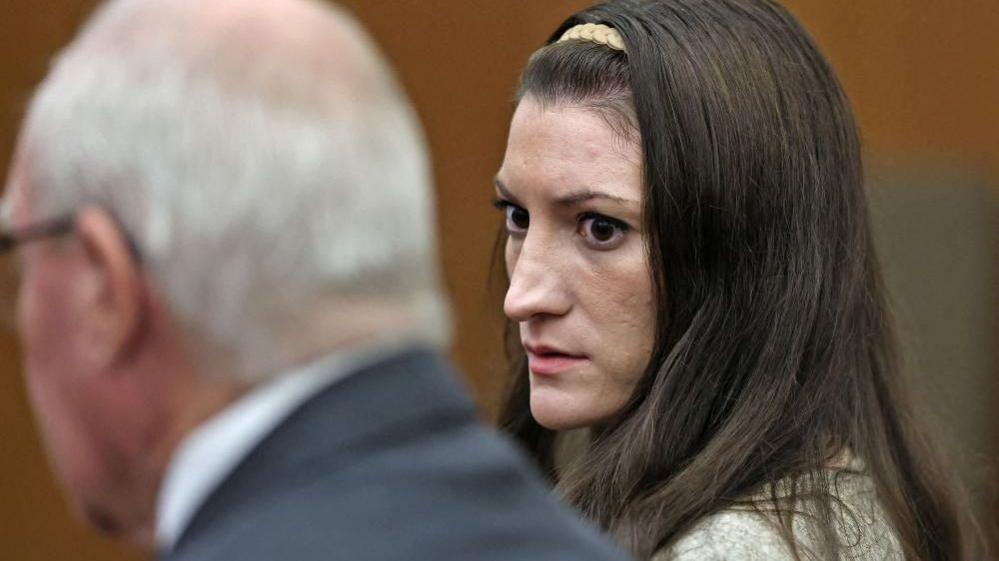
The courtroom in Boston’s Brockton district has been buzzing for the past week as the jury in the Lindsay Clancy murder trial has been unable to come to a unanimous decision. After six days of deliberations, the jury still has not reached a verdict, prompting the defense to file a motion to remove a juror.
The defense’s request was triggered by a court note from the jury forewoman indicating that one of the jurors might not adhere to the judge’s instructions about the reasonable doubt standard. The note raised concerns that the juror could sway the rest of the panel if their doubts are not fully considered.
Judge James Grayson, who presides over the case, denied the motion to remove the juror. In his ruling, Grayson emphasized that a juror’s conduct in deliberations does not automatically warrant removal unless it is proven that the juror is acting in bad faith or is otherwise unfit.
The denial places the jury back on the path of work? The defense is awaiting further instructions and might look to other remedies to address their concerns. Observers note that this case underlines the delicate balance courts must strike: respecting a juror’s rights while preserving the integrity of the trial process.
Opinion gathered from court observations, the defense’s appeal, and the judge’s ruling—all point to a highly charged atmosphere. The situation remains fluid as the jury may still be called to return for further deliberations or a possible judge‑mandated reconvening. The outcome will likely influence future jurisprudence on juror to juror dynamics and the removal process.