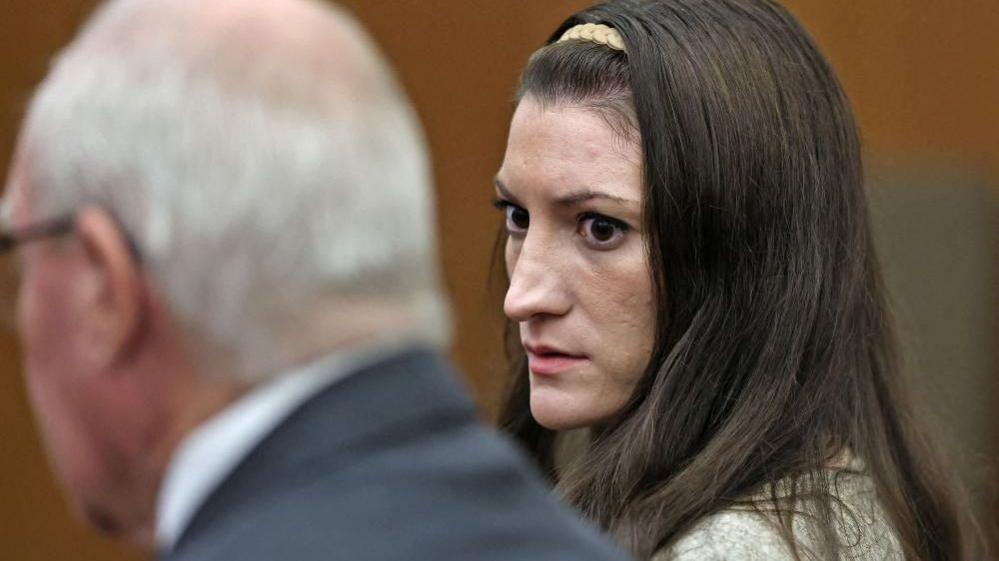
Jurors Deadlock in Lindsay Clancy Trial, Judge Urges Persisting Efforts
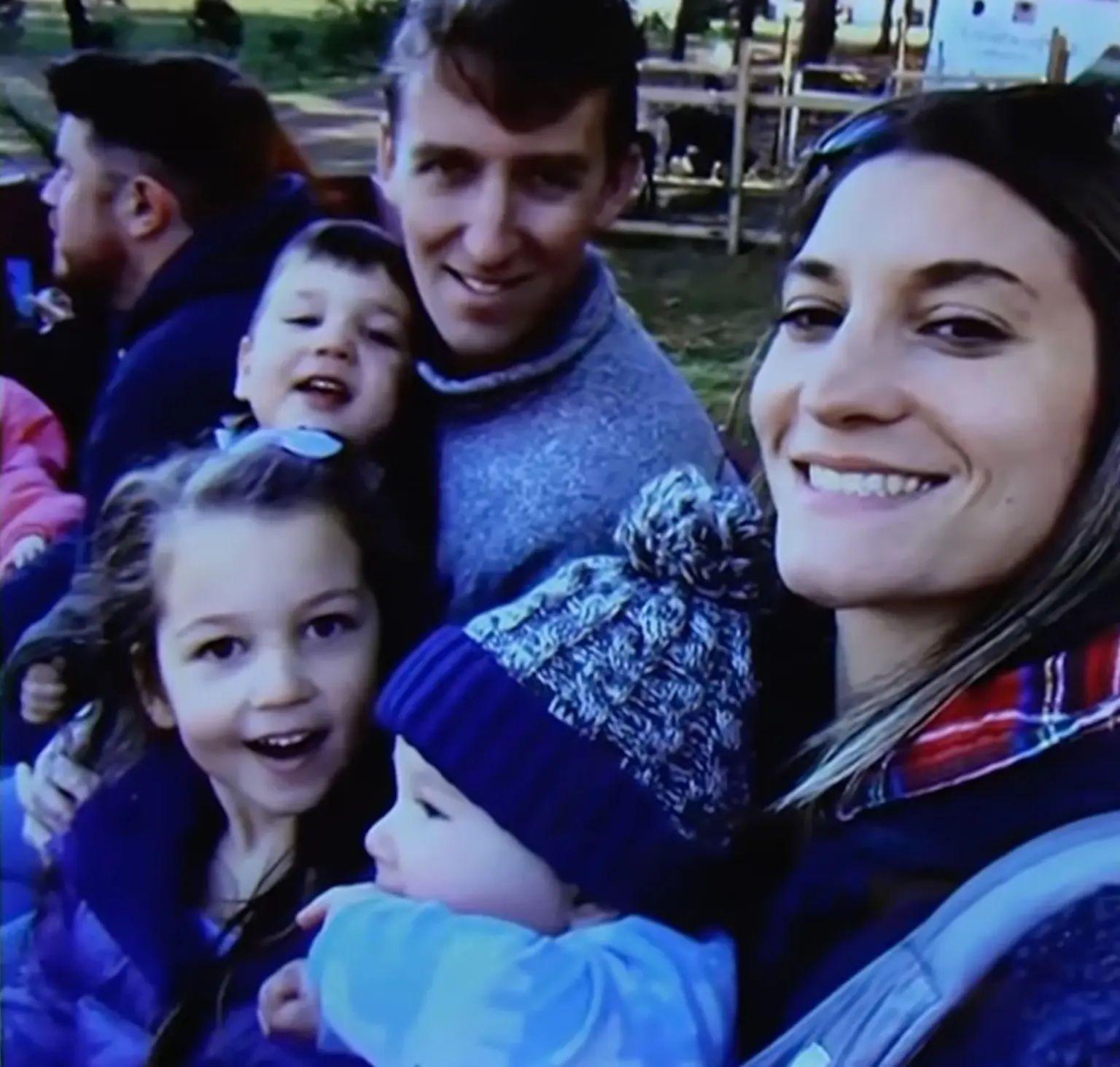
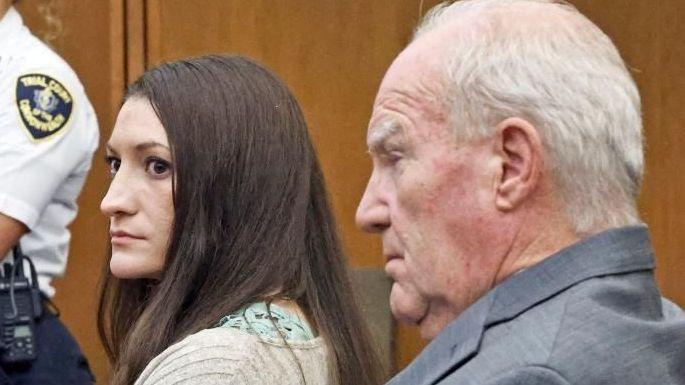
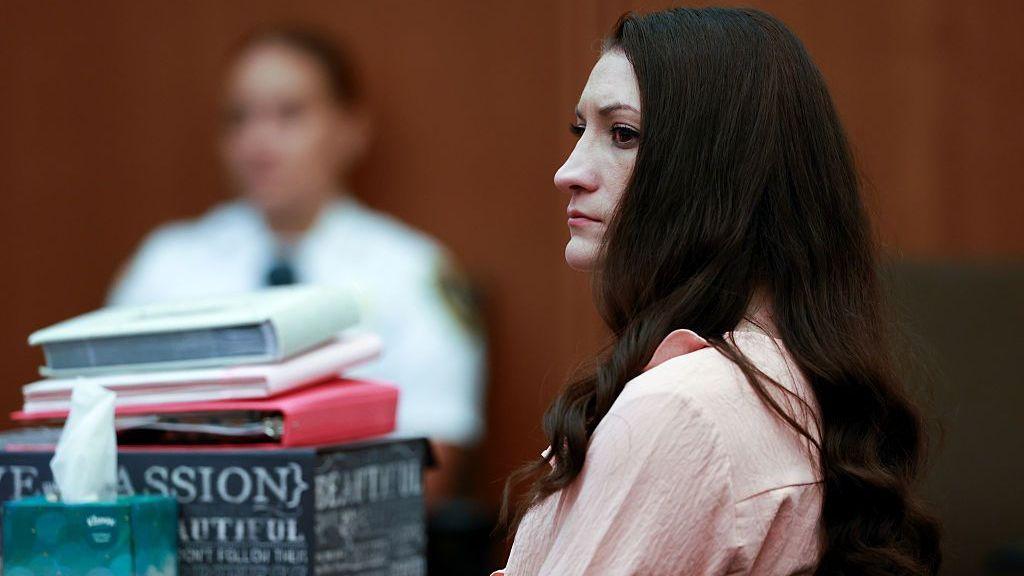
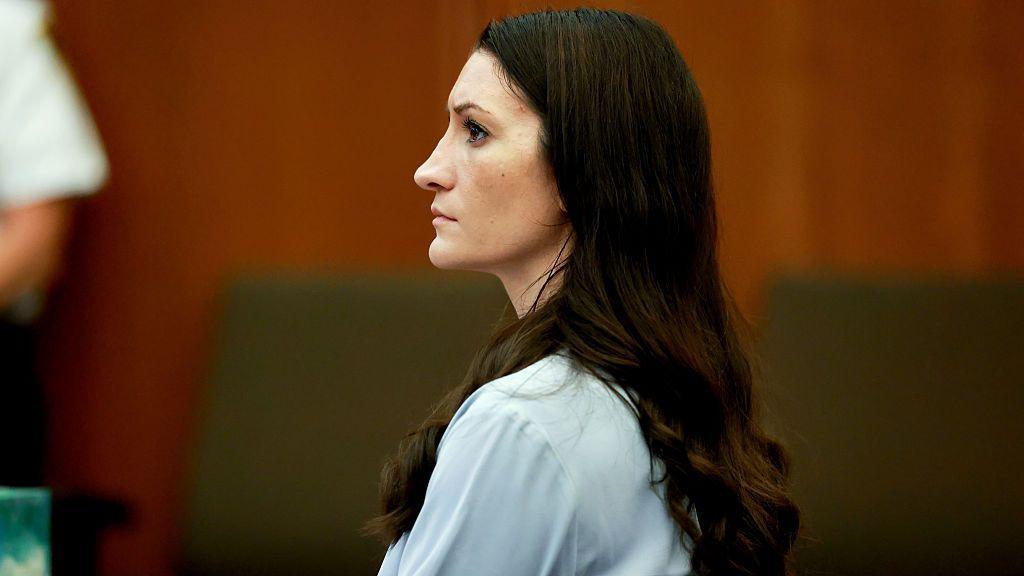
After four days of deliberation, the jury on the case of Lindsay Clancy was unable to agree on a verdict. The Massachusetts mother was charged with the first‑degree murder of her three children in January 2023.
Her defense team, led by lawyer Elyse Hershon, argues that she was suffering from postpartum psychosis when the killings occurred, a severe mental‑health condition that could impair responsibility. The prosecution contends that Clancy deliberately and premeditated the killings, which would subject her to a mandatory life sentence without parole if found guilty.
On the final day, Judge William Sullivan read a note from the jury indicating the deadlock and sent them home for the day. In a brief address he thanked them for their hard work and encouraged them to return in the morning – the judge’s last‑ditch effort to break the tie. He indicated that if the deadlock continued, the court might use a “Tuey‑Rodriguez” instruction to help jurors reconsider their positions.
The judge can also declare a mistrial if the jury remains split, which would end the current trial. Judge Sullivan’s approach follows standard practice in complex, emotionally charged cases, underscoring the importance of procedural fairness even amid intense public scrutiny.
If a verdict of first‑degree murder is not reached, the trial could see the defense pursue lesser charges such as second‑degree murder or manslaughter. Alternatively, a not‑guilty‑by‑reason‑of‑insanity (NGRI) finding would send Clancy to a psychiatric hospital instead of prison. The outcome of the jury’s deliberation is closely watched by those interested in how mental‑health issues are treated in the U.S. criminal justice system.