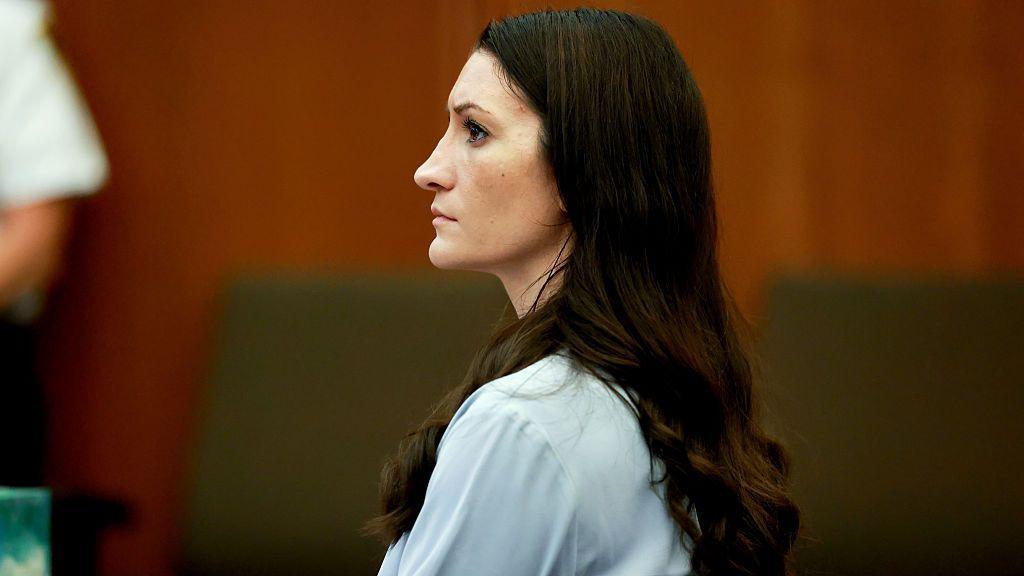
Jury Faces Complex Decisions in Lindsay Clancy Murder Trial
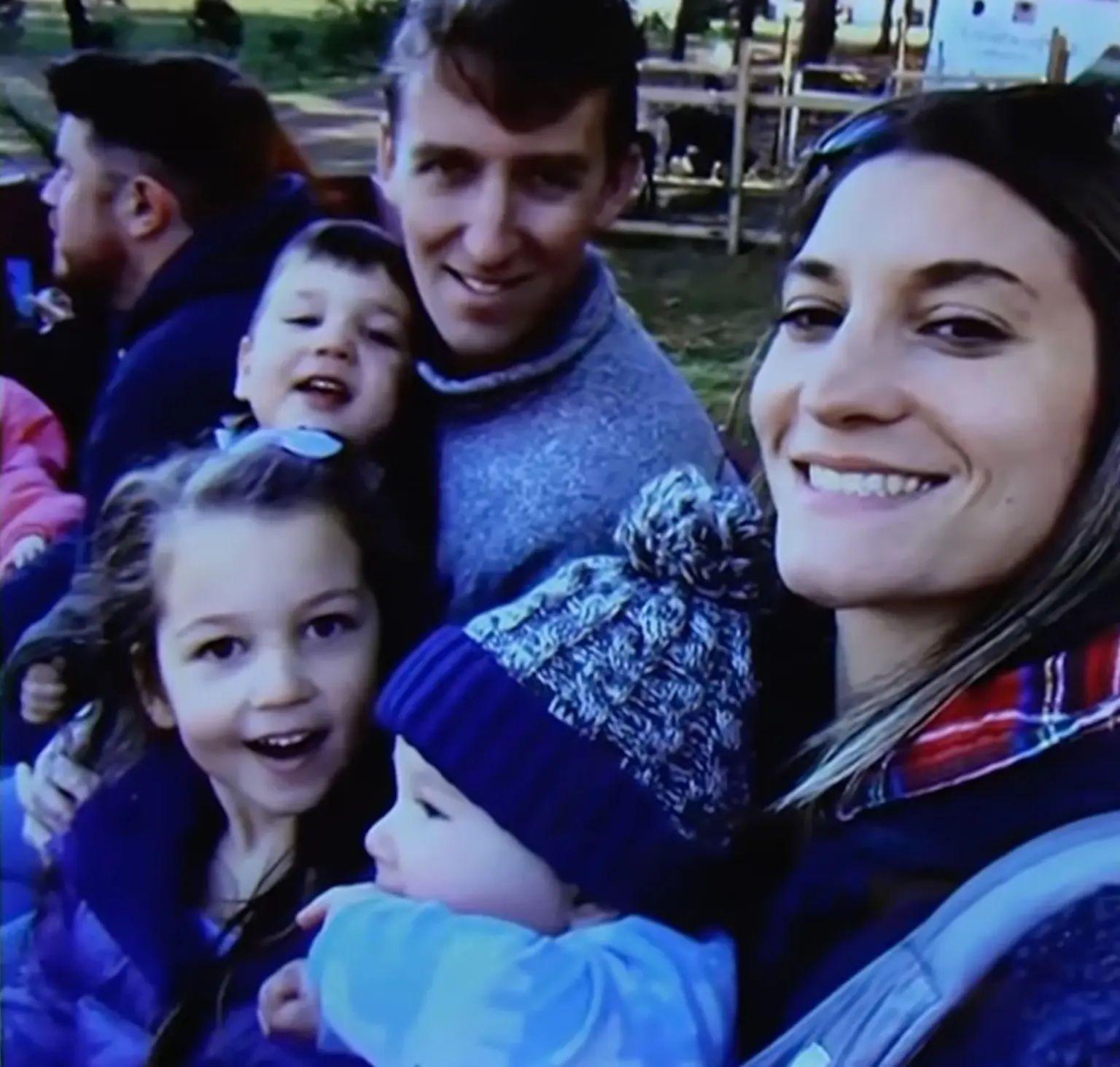
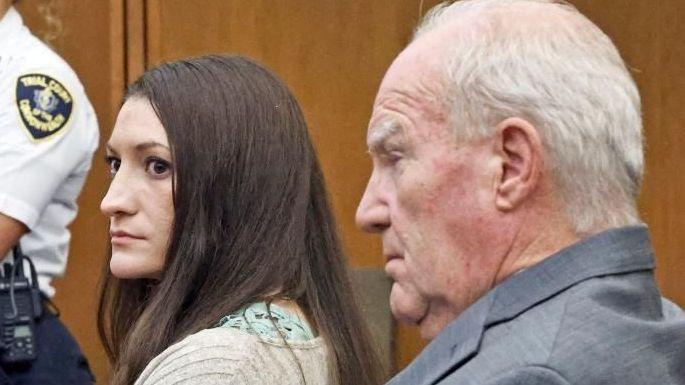
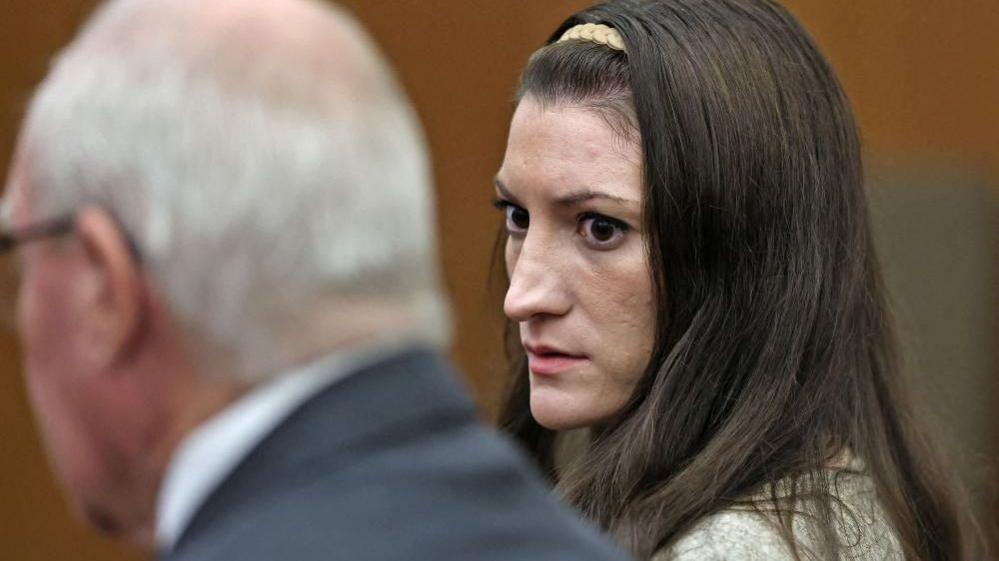
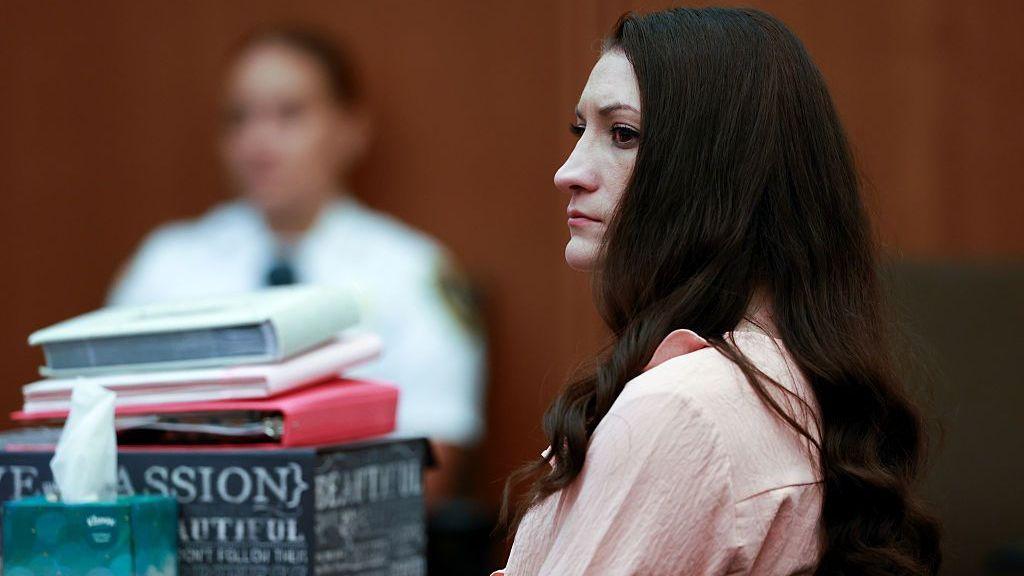
The murder trial of Lindsay Clancy has captivated the nation over the last five weeks. The 36‑year‑old former nurse is accused of killing her three children—two sons and a daughter—in the basement of their Massachusetts home in 2023.
While Clancy does not contest the act, her defence presents a postpartum psychosis defence, claiming she was unable to distinguish right from wrong. The prosecution maintains she knowingly made a calculated, intentional decision to kill her children.
Jury Verdict Options
- Not guilty
- Not guilty by reason of insanity
- First‑degree murder
- Second‑degree murder
- Manslaughter
Post‑partum Psychosis Defence
The defence argues Clancy heard a voice after giving birth to compel her to kill her children. Experts describe the seriousness of postpartum psychosis and its potential to distort a person's reality.
Unlike other jurisdictions, Massachusetts does not place a burden on Clancy to prove her mental illness. The prosecution must demonstrate she was criminally responsible, either by proving she had no mental illness or that she did understand her actions were wrong.
A not‑guilty verdict would completely release her—unlikely given the evidence—but a not‑guilty‑by‑insanity verdict could send her to a psychiatric facility. The prosecution believes a prison would be more suitable.
First‑Degree Murder
If the jury finds Clancy guilty of first‑degree murder, she faces a mandatory life sentence without parole—essentially a life in prison equivalent to a death sentence if she is executed in the future.
The prosecutor stresses no mitigations, such as mental disease or defects, should be accepted. A conviction would classify her as a monstrous act in the judge’s view.
Second‑Degree Murder
Second‑degree murder covers killings that lack pre‑planning but involve malice or extreme recklessness. This verdict would entail a life sentence but the possibility of parole at a later stage.
Manslaughter
The judge has now allowed the jury to consider manslaughter: death caused by an unintentional, mistake or negligence. The maximum term would be 20 years per count.
This option recognizes the lack of pre‑murder planning but still admits a conscious act— a split‑second decision rather than a calculated crime.
The jury must weigh these options, considering the testimony of experts, family members and the legal thresholds for criminal responsibility and insanity.