Lindsay Clancy murder case: Mistrial deepens national debate over motherhood and mental health
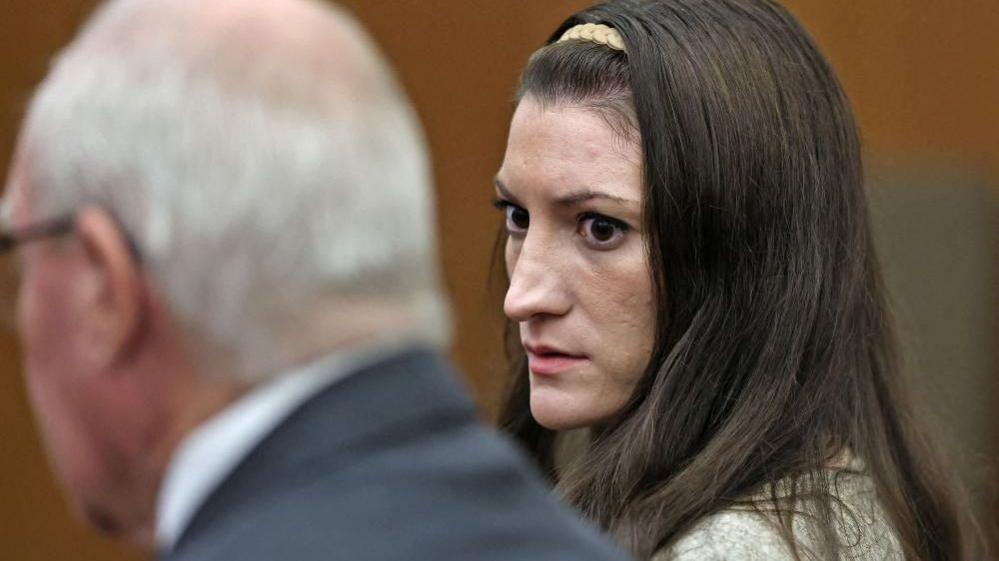
On Friday, a judge in Plymouth, Massachusetts, declared a mistrial in the murder trial of 36‑year‑old nurse Lindsay Clancy, who faces charges of strangling her three children. The decision came after 40 hours of deliberation by a jury that failed to reach unanimous judgment, highlighting a deep split in public opinion about Clancy’s culpability and the role of postpartum psychosis.
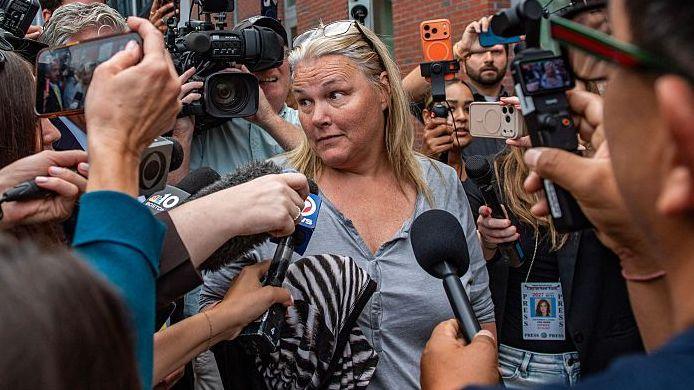
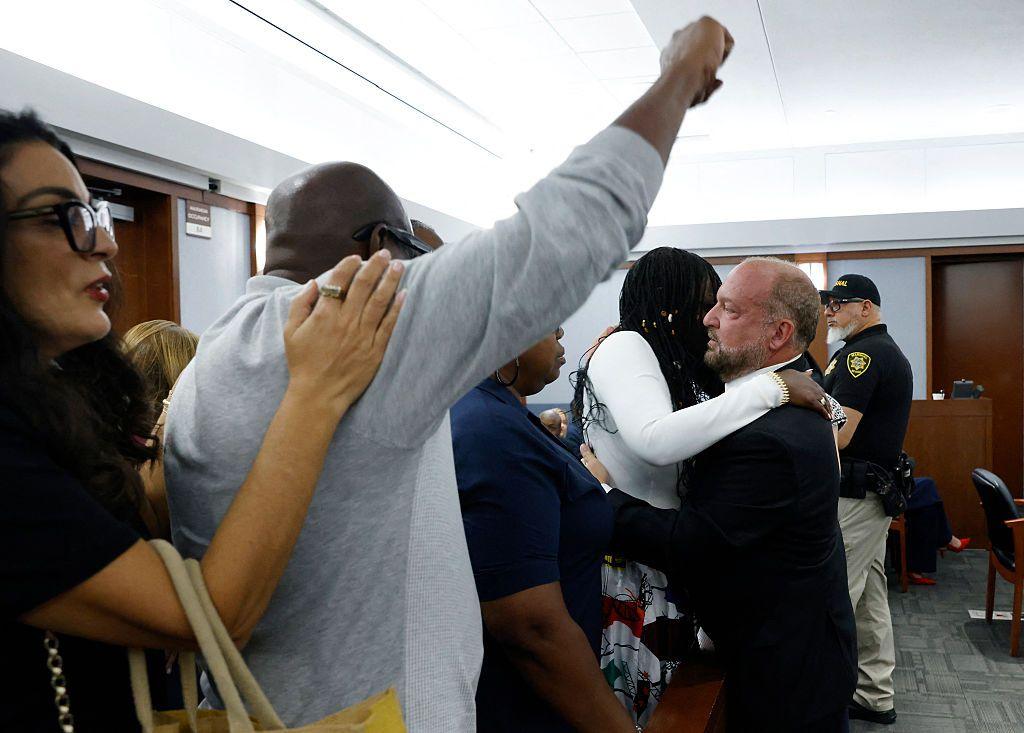
Outside the courthouse, supporters in pink formation gathered, chanting for the mother who, they argue, suffered a mental illness that rendered her criminally incapable of intent. They view her plight as a broader critique of systems that fail new mothers.
Opponents, however, see the case as a clear indictment of the calm devotion to a loved one. They demand that Clancy’s actions be taken seriously and that justice be served for her children. The plea for a vigorous prosecution is amplified on social media, where the public’s opinion has split along gender lines — mothers cheering her, fathers demanding accountability.
Clancy’s defense team argues that she suffered postpartum psychosis — a rare disorder characterized by delusions and hallucinations. They say the condition, which overwhelmed her judgment, nullified a guilty verdict. Expert witnesses testified both for and against this possibility, with one psychiatrist noting that the American Psychiatric Association has yet to officially recognize postpartum psychosis as a diagnosable condition.
The case escalated quickly to a national narrative when the video clips of supporters and detractors spread across social media. Some observers were shocked to see Clancy’s former husband receive intense scrutiny, while others defended him against what they called “defamatory” coverage. Media outlets covered the trial’s twists, further fueling the divided conversation.
The mistrial leaves the future of the prosecution open: a possible retrial, a plea agreement, or a plea for psychiatric treatment. While the legal outcome remains uncertain, the broader discussion about how society treats mothers facing severe mental health challenges has intensified.