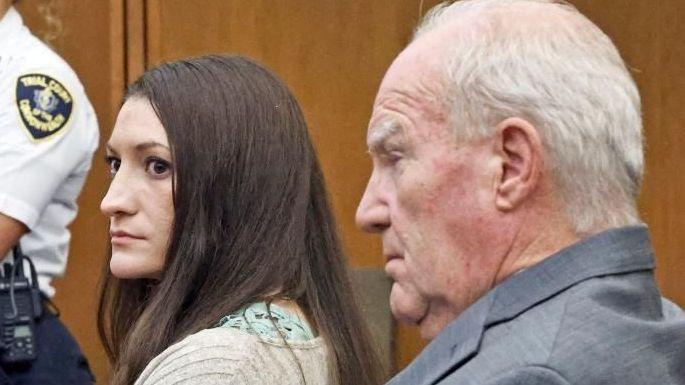
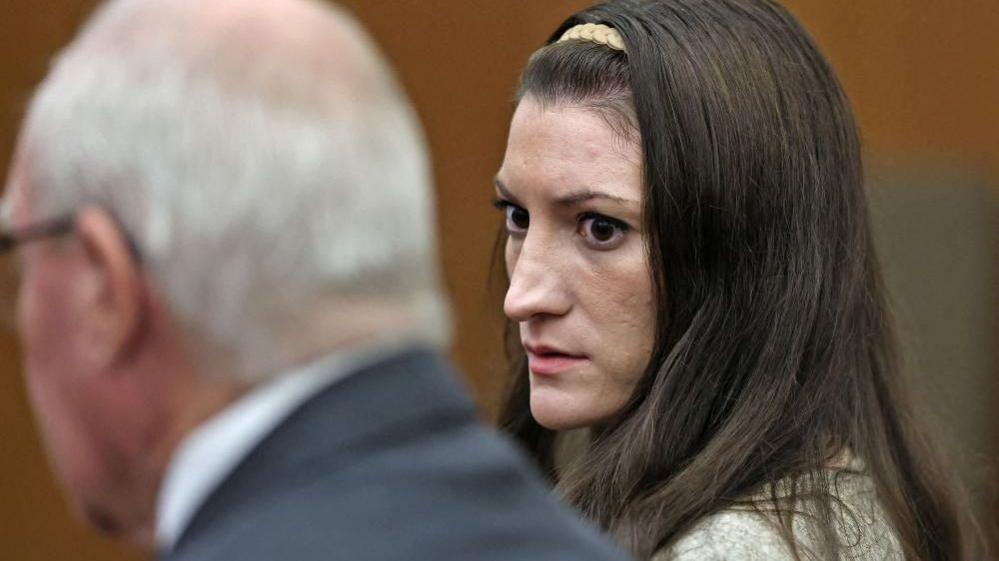
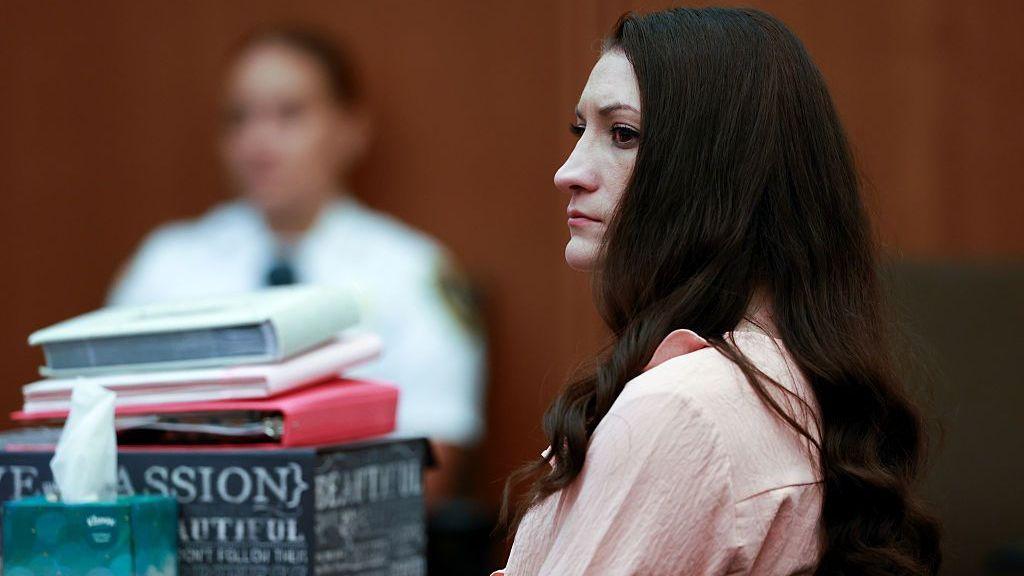
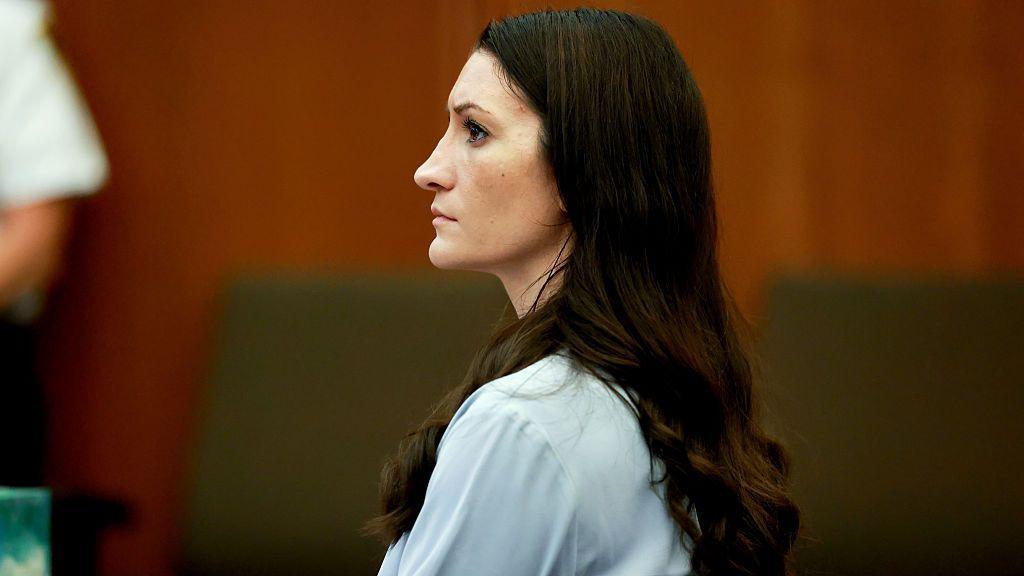
Closing arguments are set to begin on Thursday in the trial of Lindsay Clancy, the Massachusetts mother charged with murdering her three small children at their home in suburban Boston.
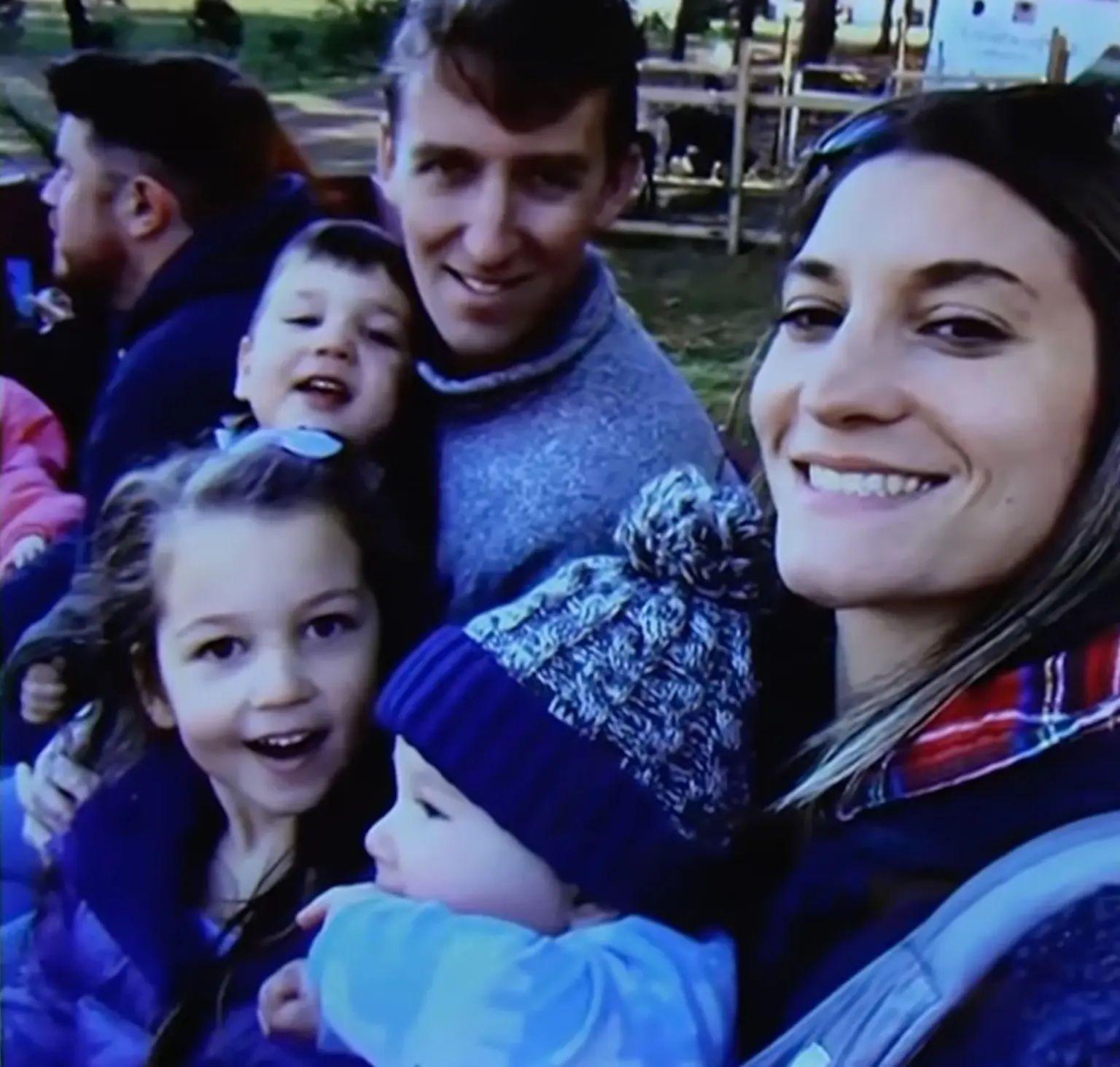
Clancy, 36, has not disputed that she killed her children—Cora, five; Dawson, three; and Callan, eight months—but her lawyers argue she should not be held legally responsible because she was suffering from severe mental illness. She faces life in prison without parole if convicted on three counts of first‑degree murder in January 2023 deaths.
Prosecutors allege that on 24 January 2023, Clancy intentionally strangled all of her children with fitness bands in their Duxbury, Massachusetts, home before jumping from a second‑floor window, an act that left her paralyzed and required wheelchair access for court visits.
The defense has never refuted her guilt but has presented a defense of insanity, citing hallucinations, delusions and a rapid escalation of postpartum health problems after the birth of her youngest child.
Arguments over intent and insanity
While the prosecution argues Clancy deliberately killed her children, the defense has focused on her mental state, arguing that her deteriorating condition led to what she says was a psychotic break. Evidence includes her multiple psychiatric medication regimes, calls to suicide hotlines, and emergency room visits.
Expert witnesses were a battleground: psychiatrists Jennifer Tufts and Avram Mack were called in, with Tufts testifying that she saw no severe psychotic symptoms during routine sessions. Defense attorneys highlighted notes suggesting pressured speech; Tufts denied these interpretations, insisting the notes did not confirm mania.
Mack—a senior psychiatrist—clarified that postpartum psychosis is still considered “postulated” in the American Psychiatric Association’s taxonomy, leading to a tense exchange with the defense and highlighting the fragility of psychiatric diagnoses in court.
Witness testimony fuels the narrative
Clancy’s former husband, Patrick, recounted the day his children died, describing a clinical heart‑break that culminated in a 911 call stating “She killed the kids.” He tested how his family’s concerns about Clancy’s psychological decline influenced his narrative.
Additional witnesses—her ex‑mother‑in‑law, mother and sister—provided testimony about her suicidal thoughts, insomnia, appetite loss and growing paranoia in the months leading up to the murders, painting a picture of a woman in crisis.
Public reaction and the role of faith
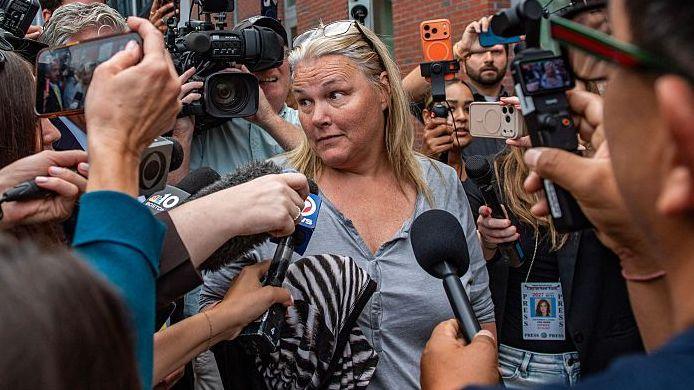
In the weeks before closing arguments, the courtroom itself reflected public concern as crowds wearing pink shirts marched outside the courthouse, chanting “She Needed Help” and “Peace For Lindsay.”
The defense also requested a mistrial when prosecutors asked witnesses about Clancy’s Catholic faith, describing the inquiries as “absolutely inappropriate.” Judge William Sullivan denied the request, striking the remarks and stating it was not to be considered by jurors.
The case continues to test the borders between legal accountability and mental health treatment, with community outrage echoing the debate over the adequacy of postpartum support and the weight of psychiatric diagnoses in criminal proceedings.