Jury Deliberating in Trial of Lindsay Clancy, US Woman Accused of Killing Her Children
Warning: This story contains distressing details and discussion of attempted suicide
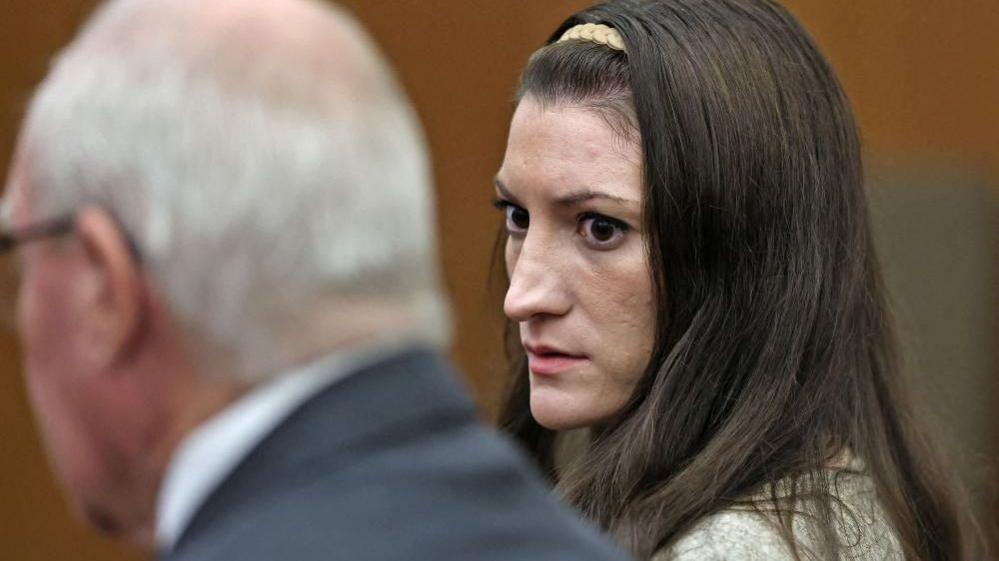
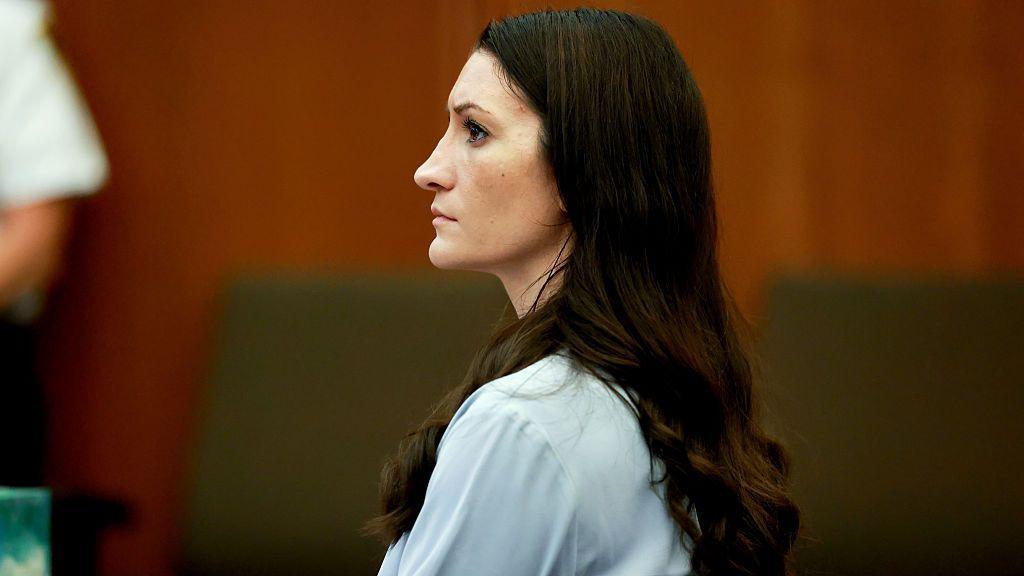
The fate of US mother Lindsay Clancy is now in the hands of a Massachusetts jury, who must decide if she is guilty of first‑degree murder – the intentional and premeditated killing of another person – in the deaths of her three children.
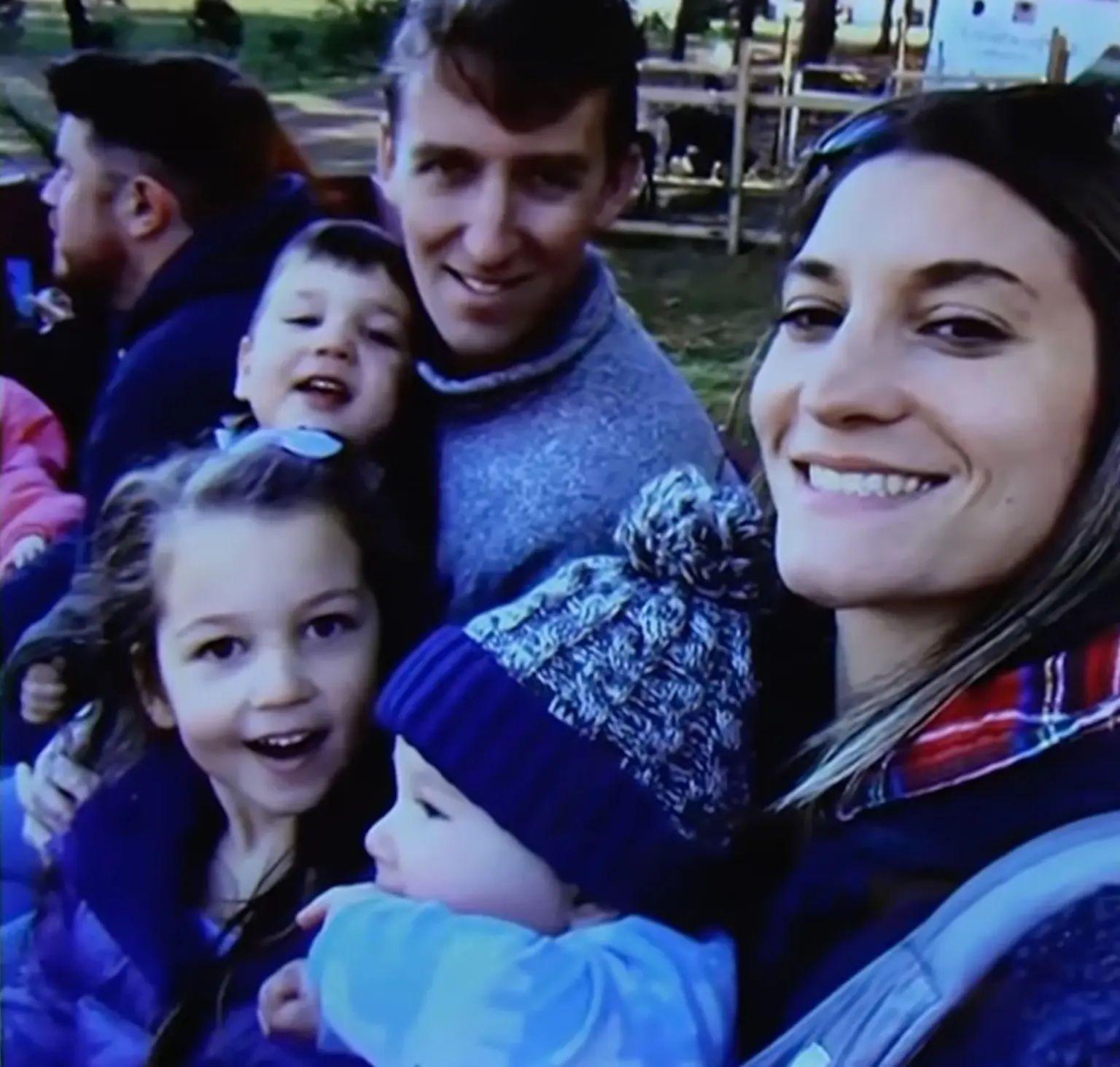
For five weeks, the trial has gripped the country as Clancy’s lawyers argued that she was suffering from postpartum psychosis when she killed her three children, aged between eight months and five years. Clancy does not deny killing her two sons and daughter.
The prosecution contended that she made a calculated decision to intentionally murder them.
The jury now faces the choice of finding Clancy guilty of first‑degree murder, guilty of lesser charges, or not guilty.
In Massachusetts, a first‑degree murder conviction carries a mandatory life in prison sentence without the possibility of parole.
The jury could alternatively find Clancy guilty of second‑degree murder—commitment with malice or extreme recklessness, but without prior planning—or involuntary manslaughter—causing death because of extreme carelessness. Those convictions also lead to prison time.
If Clancy is found not guilty by reason of insanity, she will not be released but instead sent to a psychiatric hospital and could remain there for life.
The attorneys for both sides made closing arguments on Thursday before the jury began deliberating. Clancy’s defense lawyer, Kevin Reddington, reiterated the claim of postpartum psychosis, noting that the mother used exercise bands to lock the children in a door before attempting to end her own life by jumping from a window, a later attempt that left her paralyzed. Reddington said, "This young lady is not guilty of the killing of her children because she was suffering from a disease and defect," adding that he believed prosecutors would not be able to prove otherwise.
The UK National Health Service defines postpartum psychosis as a rare and serious mental health illness that can affect someone soon after having a baby, and which should be treated as a medical emergency.
A tense moment arose when Reddington directly addressed the prosecution and asked them to explain why they tried to prove Clancy’s suicide attempt was not serious over a week. The judge interrupted and ordered him to address only the jury.
Prosecutor Jennifer Sprague did not dispute that Clancy was mentally ill, but told the jury that she could tell the difference between right and wrong at the time of the killings. "It’s not the system or the DSM that caused her to strangle her kids," Sprague told the jury, referencing the US encyclopedia of mental health diagnoses, which does not give postpartum psychosis its own classification.
She also said Clancy had an "abundance of care" but had hidden thoughts about harming her kids from doctors.
If you are suffering distress or despair and need support, you could speak to a health professional, or an organisation that offers support. Details of help available in many countries can be found at Befrienders Worldwide. www.befrienders.org.
In the UK a list of organisations that can help is available at bbc.co.uk/actionline.