Life sentence for Rwandan genocide suspect in the Netherlands
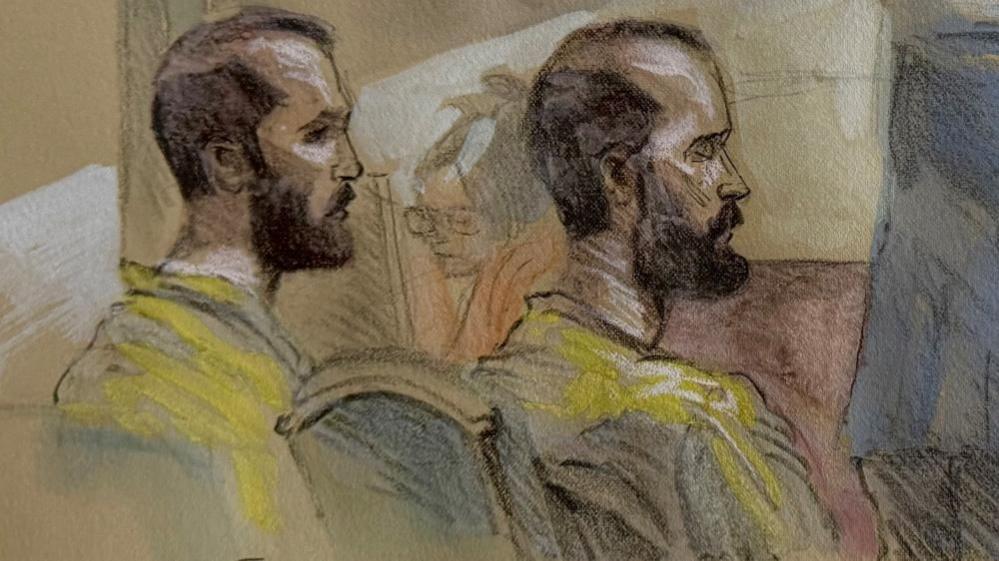
Dutch courts have handed a 66‑year‑old Dutch‑Rwandan, known only as Eugene N, a life‑term for crimes committed during the 1994 Rwandan genocide. The judgment, part of a broader effort to pursue accountability, emphasizes the grave nature of the genocide and sets a precedent for future cases involving diaspora suspects.
Key facts of the case
Eugene N was accused of throwing a hand grenade into a stadium where thousands of Tutsis sought refuge, a central act that contributed to the deaths of an estimated 800,000 people in 100 days. The court found him guilty of war crimes and genocide with “genocidal intent” as defined by the criminal code. His position as a local administrator overseeing roughly 1,000 people in Mbazi gave him the influence to direct others to prevent Tutsis from escaping and to order stone‑throwing and shooting.
International perspective
The case underscores the Netherlands’ willingness to pursue justice for crimes committed abroad. While Rwanda requested extradition in 2014, the Dutch authorities launched their own investigation, citing the seriousness of the offenses and the potential for a fair trial. The ruling signals that countries with robust judicial mechanisms can hold diaspora perpetrators accountable, supporting the broader conviction that genocide must not escape the courts.
Political and civil‑societal reactions
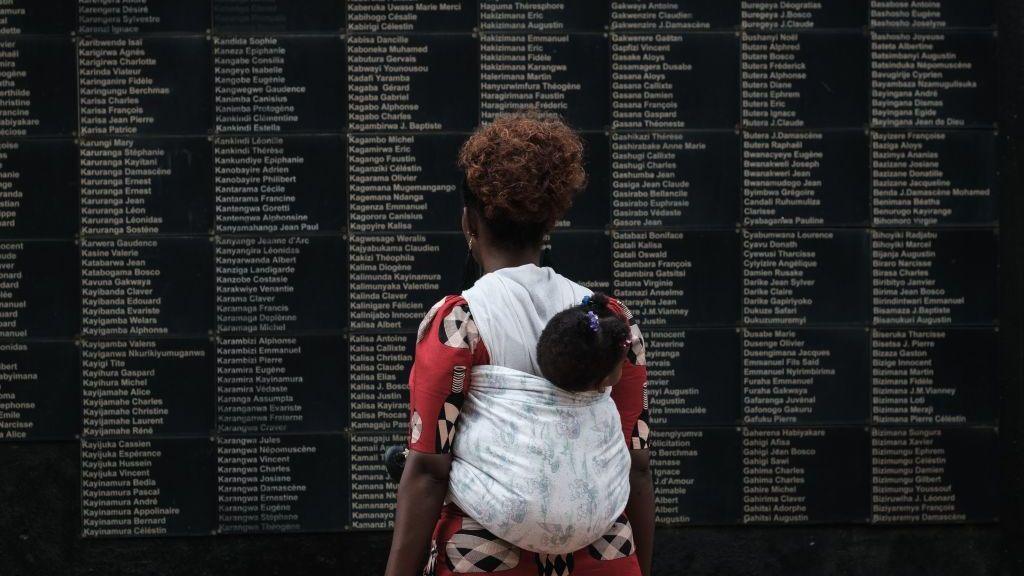
In Rwanda, survivors and civil‑society groups lauded the verdict as a form of justice for the millions of victims. The Dutch court’s warning that no shorter sentence could possibly suffice highlights a global debate over punishment and restorative justice. Critics point out that a life sentence may preclude potential avenues for reconciliation and dialogue, while proponents argue that it affirms a moral stance that such crimes are beyond forgiveness.
Defence and appeal plans
The suspect denied all charges, claiming he was a victim of the same violence that took his family. His attorneys emphasized his broken state, seeking to overturn the convictions and arguing a technical error. Notably, N was acquitted of incitement to genocide before this judgment. The defence team has indicated a likely appeal against the life sentence, anticipating that higher courts may reconsider the proportionality of punishment.
Legal significance
The court’s decision is a clear statement that genocide prosecutions can be pursued even after decades. It also illustrates the complexity of extradition, international cooperation, and the role of domestic law in handling crimes committed abroad. For the international community, the case reinforces the necessity of vigilant, willing judicial actors to attain remorse and closure.