Ebola patient’s trans‑national journey exposes gaps in regional screening

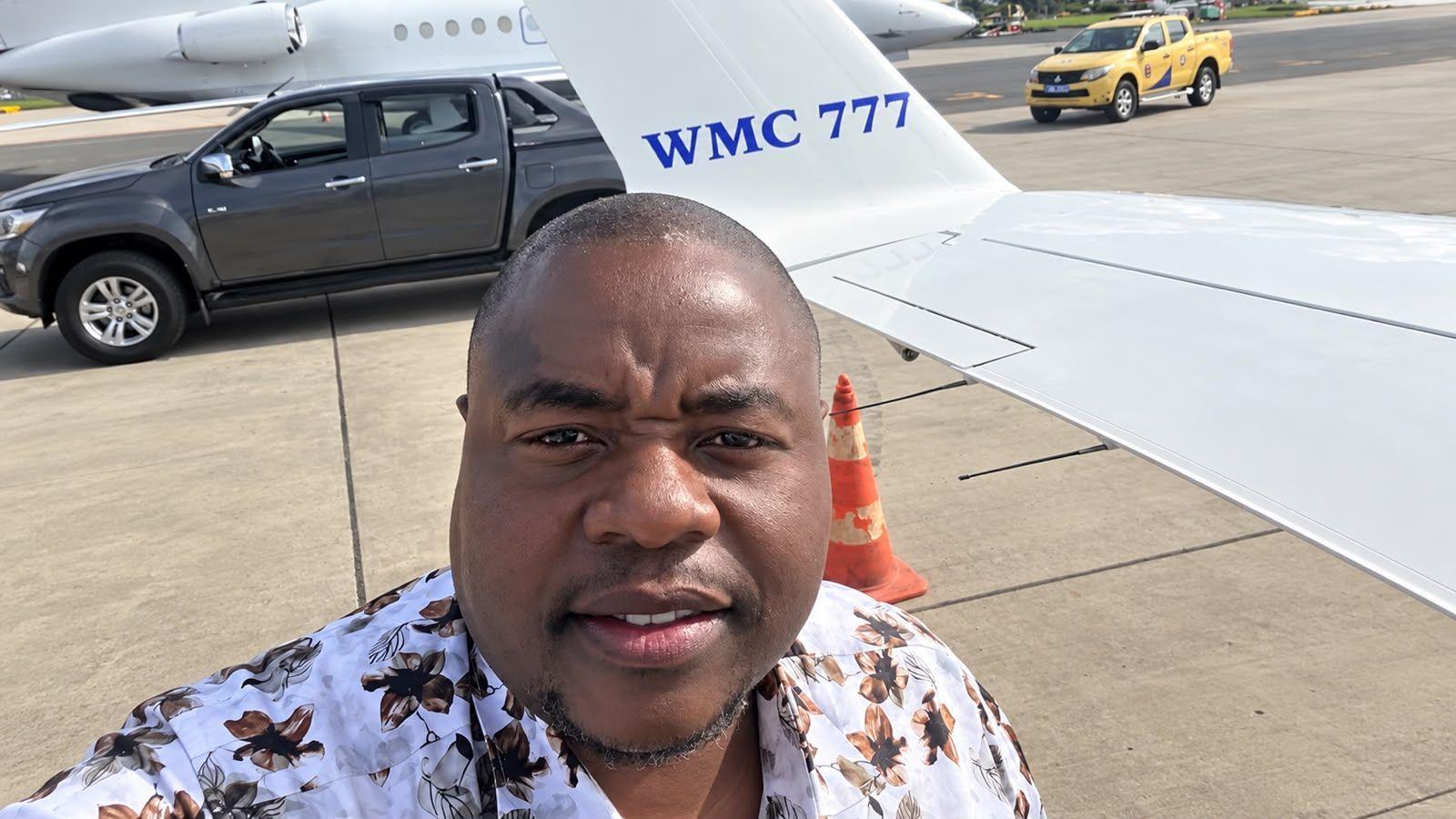
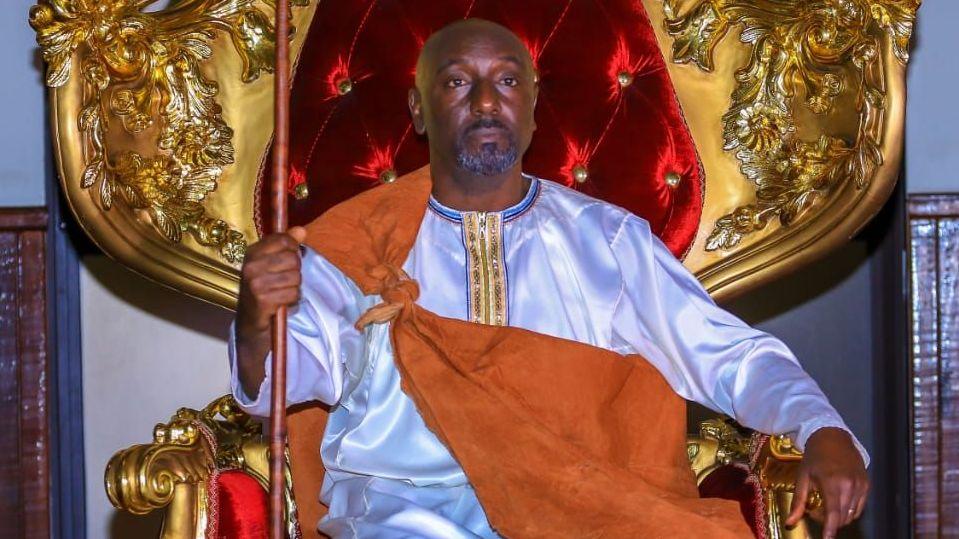
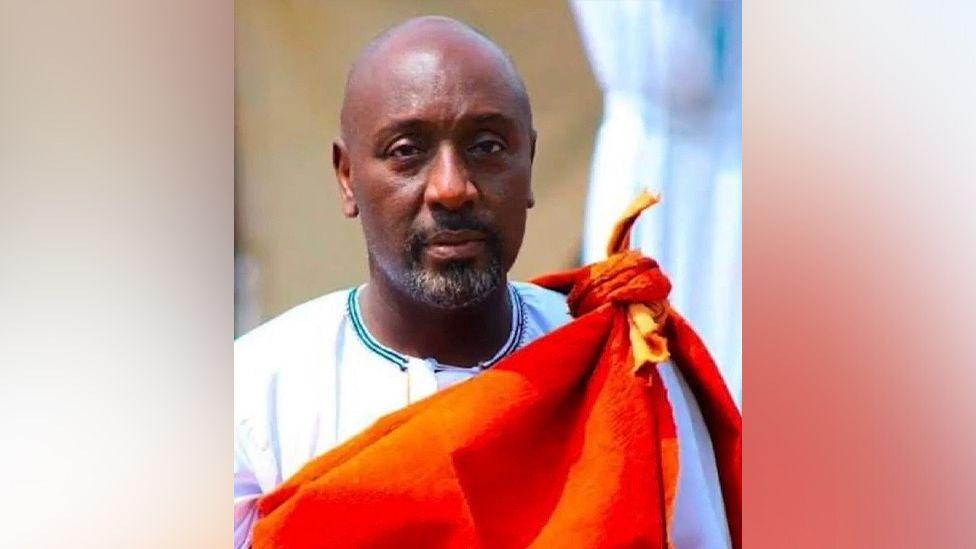
A 40‑year‑old Kenyan businessman became the country’s first confirmed case of Ebola in the ongoing outbreak, after a six‑week journey that took him across three provinces of the Democratic Republic of Congo, to a border town in Uganda and finally to Nairobi.
The World Health Organization (WHO) reconstructed his movements, revealing that he was never tested for Ebola during consultations in the DRC or the airport screenings in Uganda and Kenya. He presented with fever, rash and bleeding at Nairobi Hospital, where laboratory tests confirmed the Bundibugyo strain of Ebola.
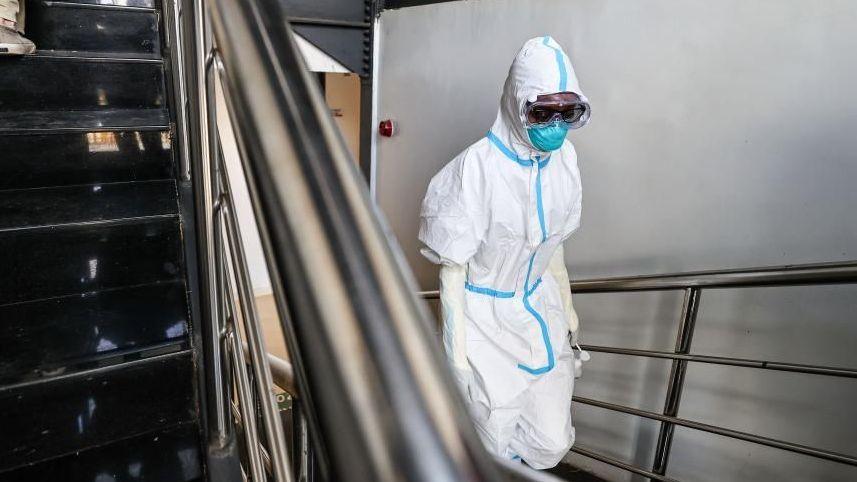
Authorities have quarantined nearly 70 potential contacts in Nairobi. Kenya’s health ministry reports 66 people who may have been exposed, while WHO expects the number to rise as investigations in Uganda and the DRC continue.
The case highlights weaknesses in regional screening procedures and the potential for undetected transmission during the incubation period that can last up to 21 days. WHO emergency director Dr Wessam Mankoula urged travellers with symptoms to seek immediate medical care and called for greater public confidence in health services to counter stigma.
While Uganda, which had declared itself free of Ebola in August, has experience with contact tracing, the porous border with the DRC makes policing difficult. The Kenyan government emphasises that 652,000 travellers have been screened and that five facilities are equipped to handle suspected cases.
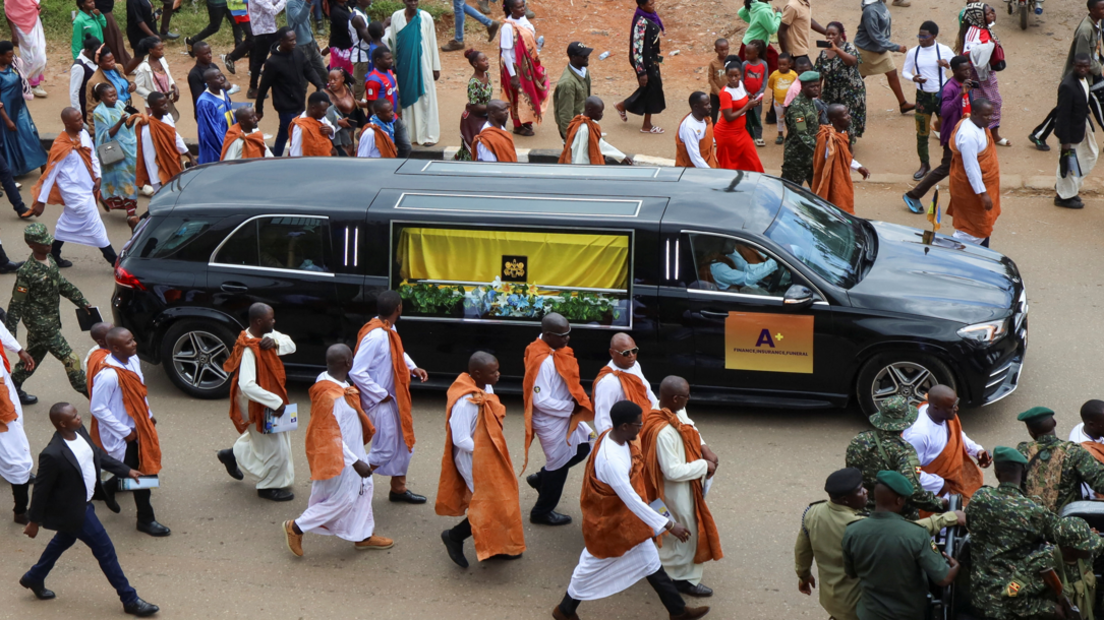
The patient’s death on 5 October was followed by a burial conducted under strict infection‑control protocols, underscoring the severe precautions required in Ebola‑affected settings.