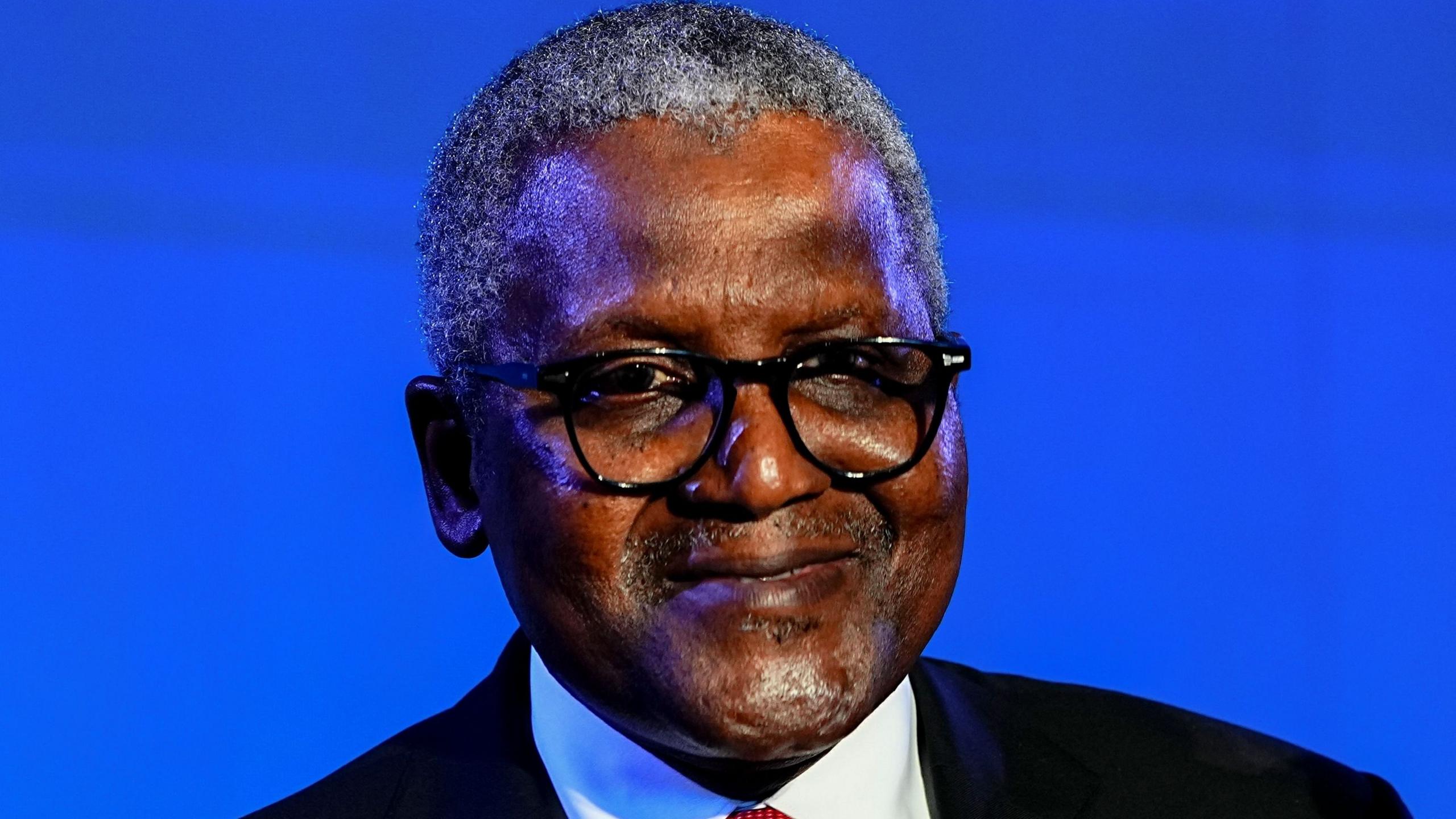
The $16bn refinery that Kenyan President William Ruto will unveil at Lamu on Friday marks the largest industrial investment the country has seen, according to Aliko Dangote, the continent’s wealthiest businessman. While the project promises to create 60,000 jobs and bring modern power generation to the region, some local residents have taken to the streets, demanding higher compensation for the land taken.
A Bold Step for East Africa
Once completed, the refinery will process 700,000 barrels of crude a day, dwarfing any East African facility to date. It is also set to include a 1,000‑megawatt power plant, a move Dangote says is critical for the continent’s industrialisation. The plant would feed both the refinery and hospitals, factories and other businesses that are expected to spring up in the Lamu area.
Faces of Opposition
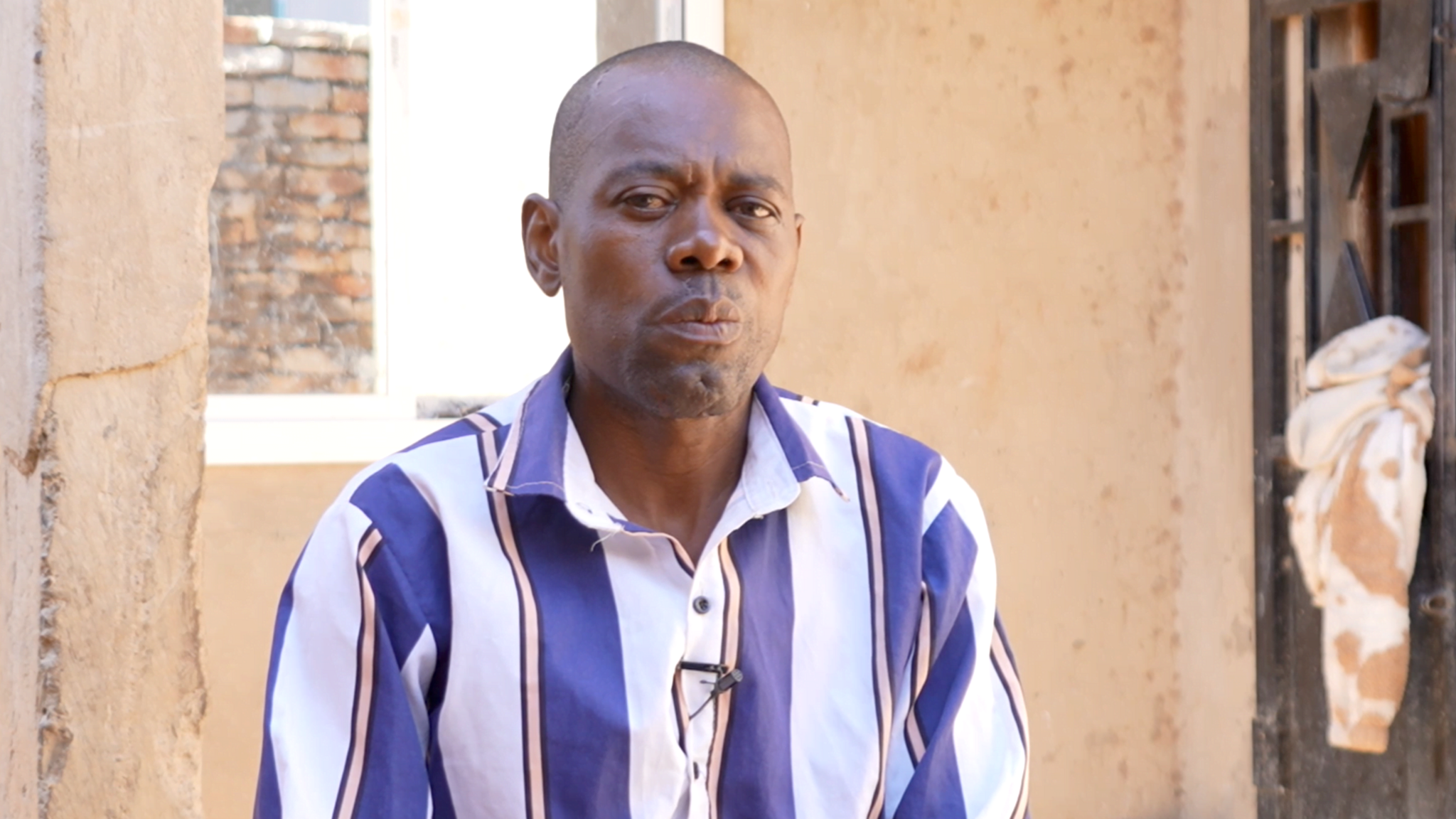
Protesters claim the land sale price fell short of what the community deemed fair, while local marketers allege that the government has been pressured into softer terms for the company. Dangote, in an interview with BBC Focus on Africa, dismissed the demonstrations as ‘games played by local marketers and international players’ and insisted that the project would proceed as scheduled.
Economic Hopes and Political Levers
The refinery’s launch is part of a broader continental drive to keep value‑adding activities on African soil. By building an on‑shore refinery, Kenya would reduce dependence on imported fuels and potentially lower pump prices, though the global price of crude remains a major constraint. The project is also a signal to investors that Nairobi is serious about industrial growth, with Dangote’s co‑founded Nigerian refinery matching the Kenyan plant’s 700,000‑barrel capacity.
Regional Debates on Location
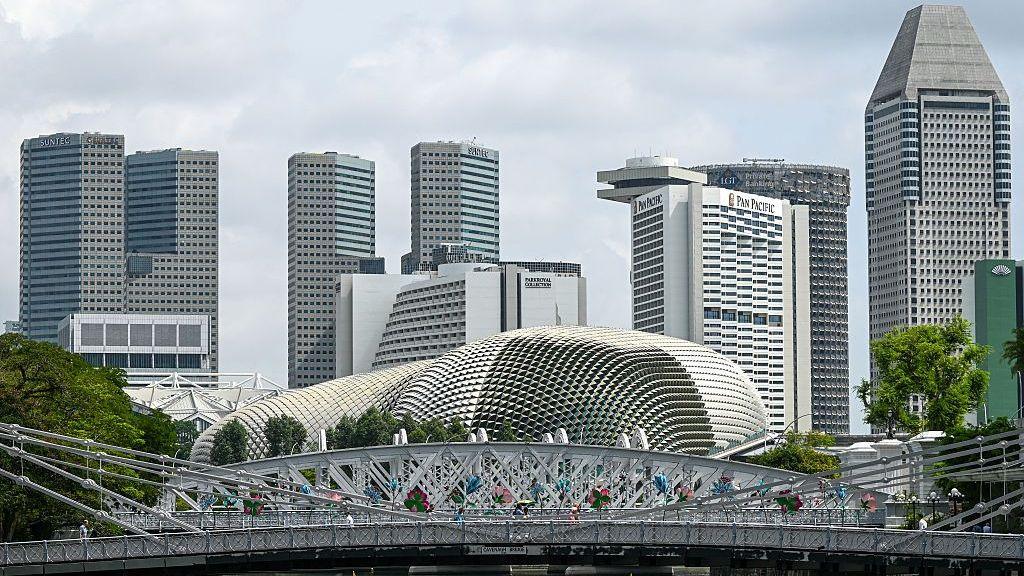
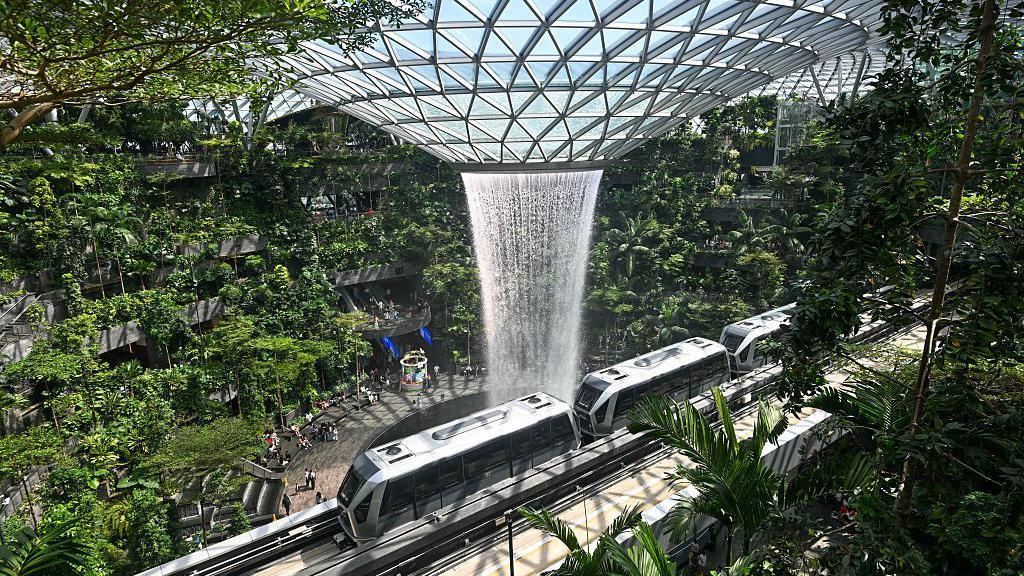
Critics argue that the refinery would be better situated in Tanzania or Uganda, both of which are building pipelines to tap oil reserves east of the Kenyan coast. Energy Minister Opiyo Wandayi counters that the refinery will not rely on regional supply; rather it will buy crude on the open market. Dangote cites Singapore as a precedent, noting that the city-state has the most refineries in the world despite the absence of native oil sources.
Beyond the Tank: Power Parity
Power shortages are a chronic bottleneck for African industry. The 1,000‑megawatt plant at Lamu is designed to provide a ‘plug‑and‑play’ fuel supply to Dangote, as well as the surrounding economy. Dangote owns roughly $50bn of projects in the pipeline, including plans to bring 10,000 megawatts of new generation capacity to Africa by 2030, with the potential to double that figure if demand rises.
What Comes Next
Construction is slated to start on 1 November, with the first crude‑oil run anticipated by 2030. The refinery’s progress will test the balance between rapid development and grassroots claims for fair compensation and environmental stewardship. Its results could ripple across the region, signalling how African nations handle the “resource curse” and shape a more self‑sufficient industrial future.