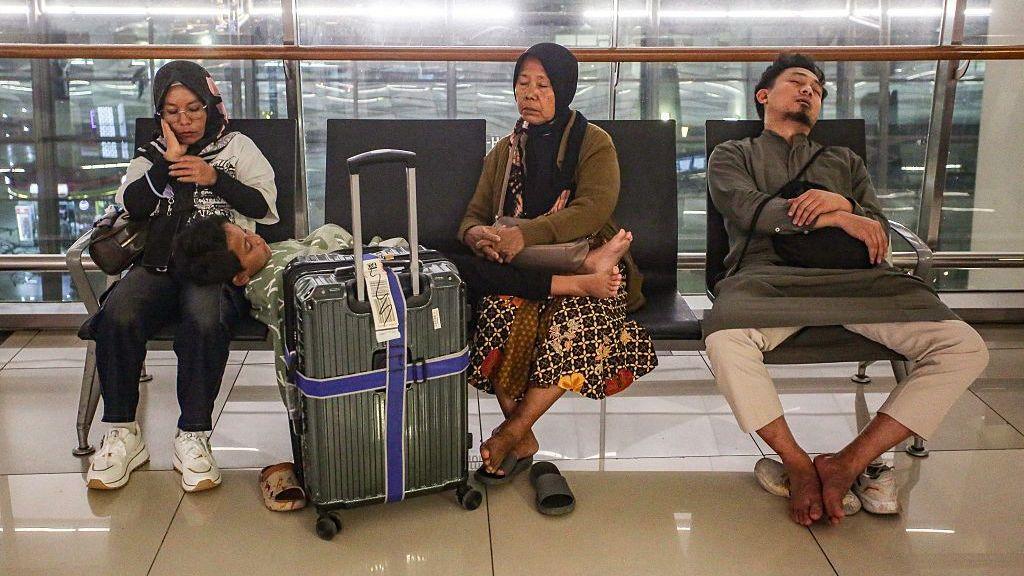
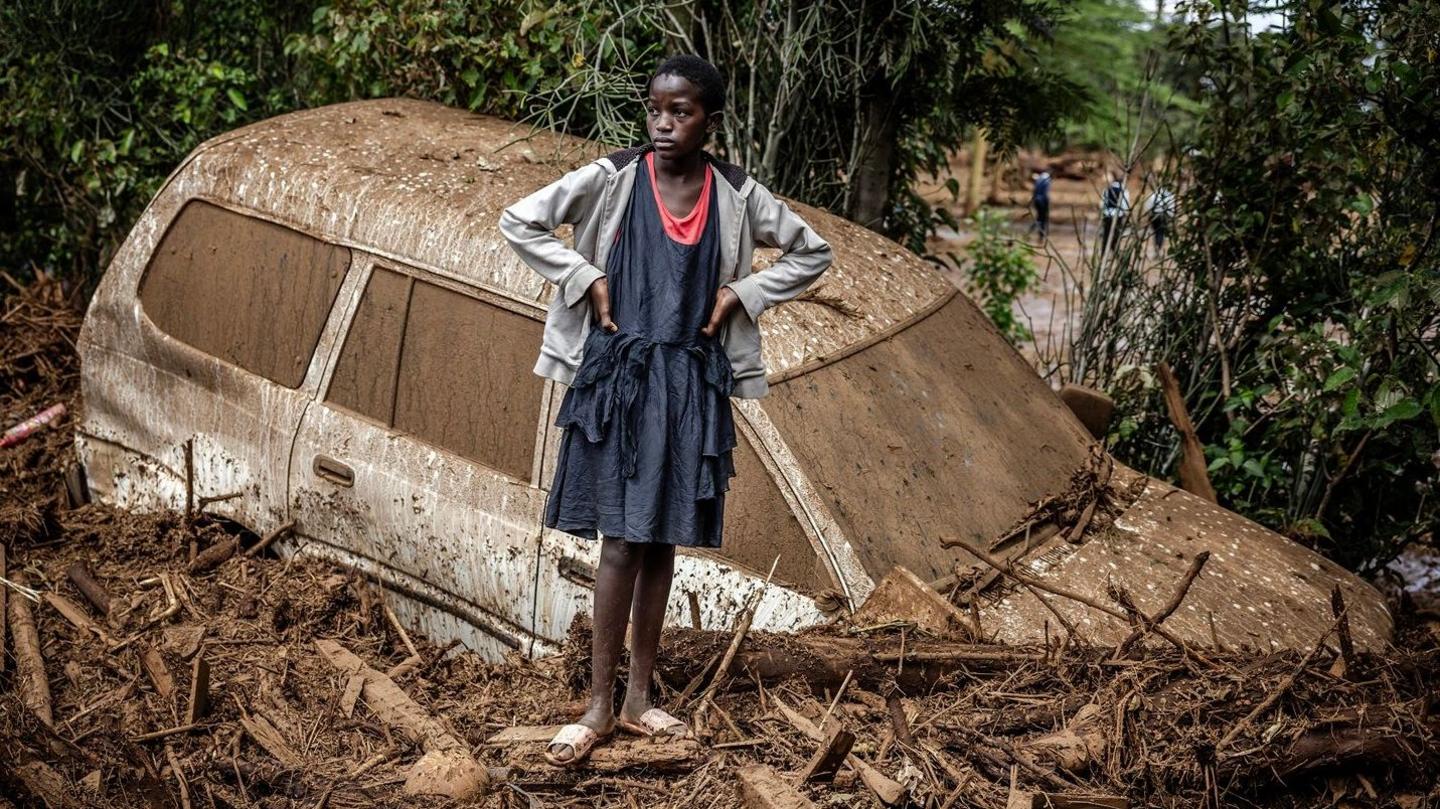
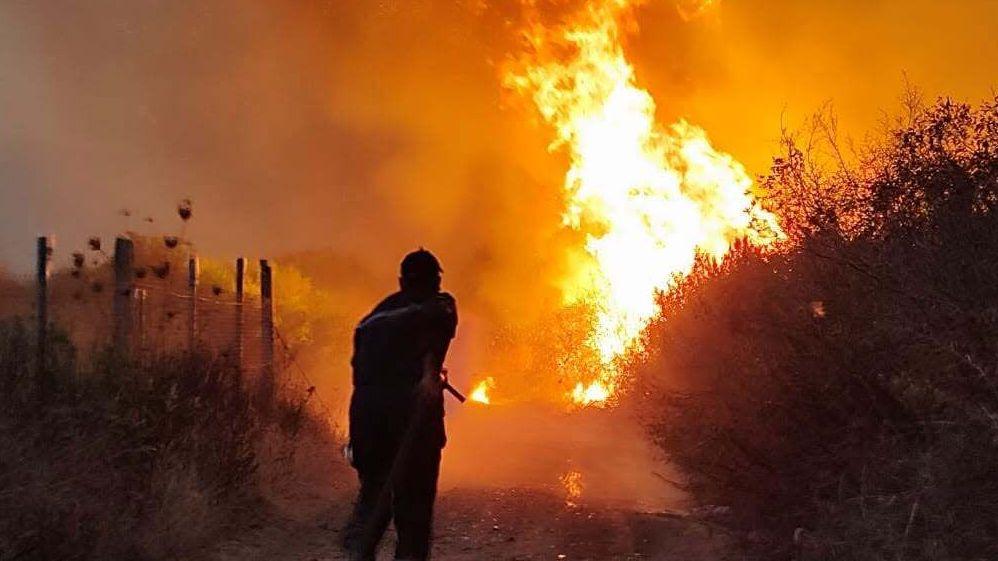
Indonesia’s southern islands have become a battleground of fire and smoke as widespread peat‑land and forest burn in August and September. The haze that rolls south‑east across the region has pushed air‑quality indices into the “hazardous” range, making breathing a daily hazard for residents in Jakarta and other urban centres.
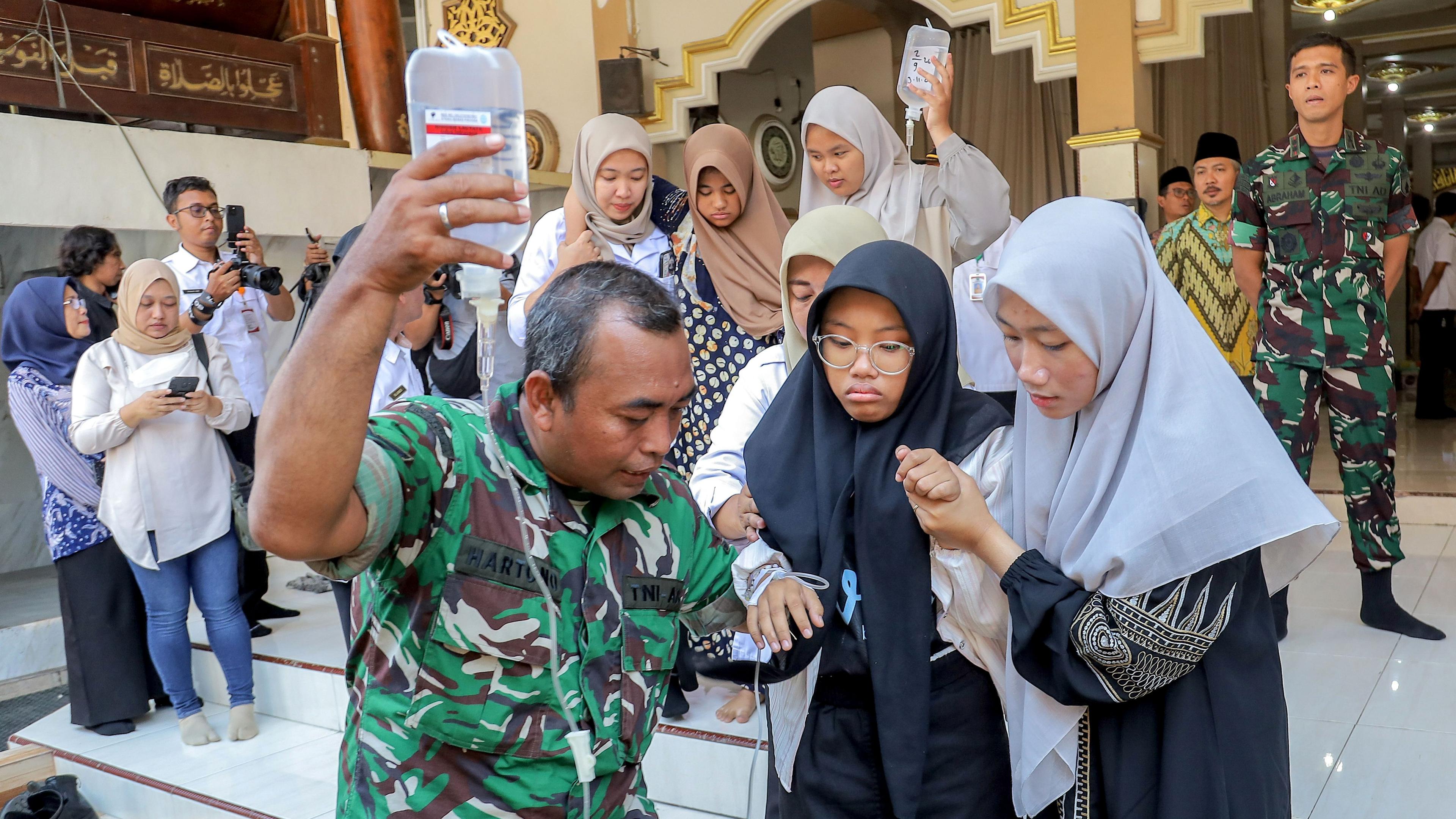
Since the first reports in late July, health authorities have catalogued over 175,000 cases of respiratory illness linked to the ash‑laden air. Symptoms range from coughing and wheezing to severe asthma attacks, and in some cases, hospitalised patients require oxygen support. The spike, officials say, is directly related to particular pollutants – nitrogen oxides, particulate matter and fine‑crystalline carbon – released when peat beds dry and ignite.
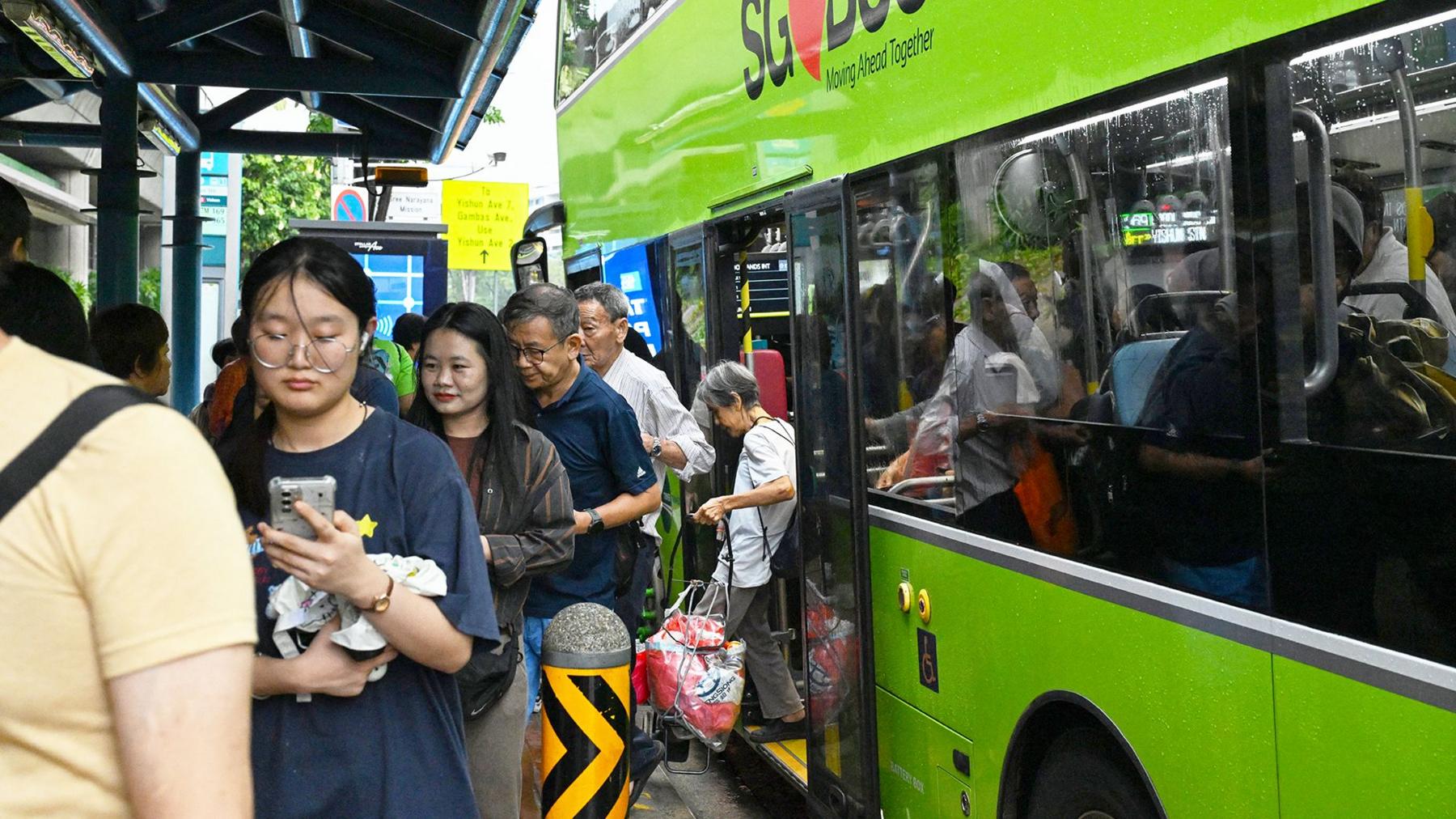
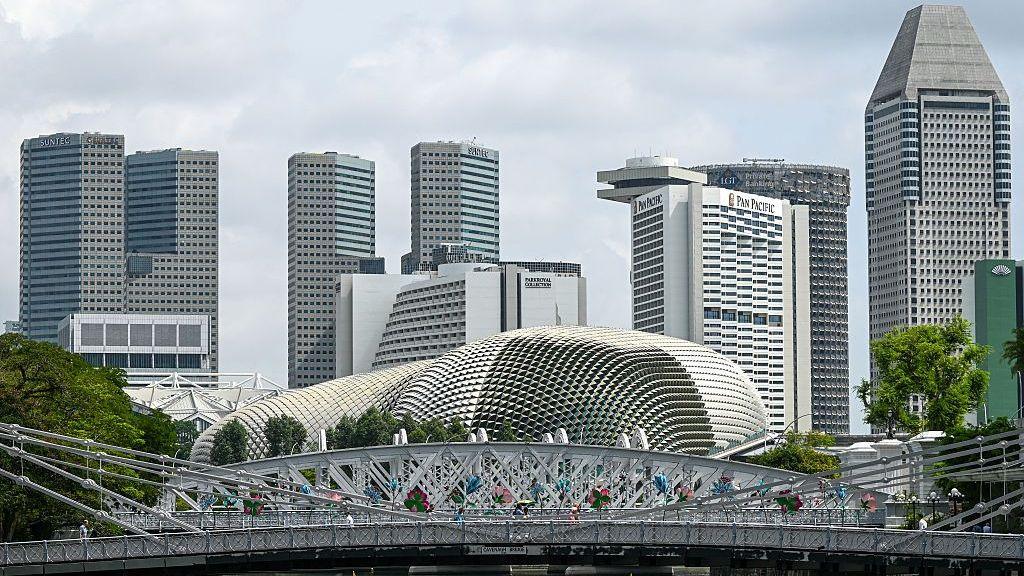
The haze is not confined to Indonesia. Meteorological models predict the pollutant plume will drift to Malaysia, hinting that Kuala Lumpur and other cities will experience reduced visibility and increased health‑care demands. Singapore, already battling strong wind‑driven trans‑national haze, has seen its air‑quality meter exceed safety levels in multiple districts.
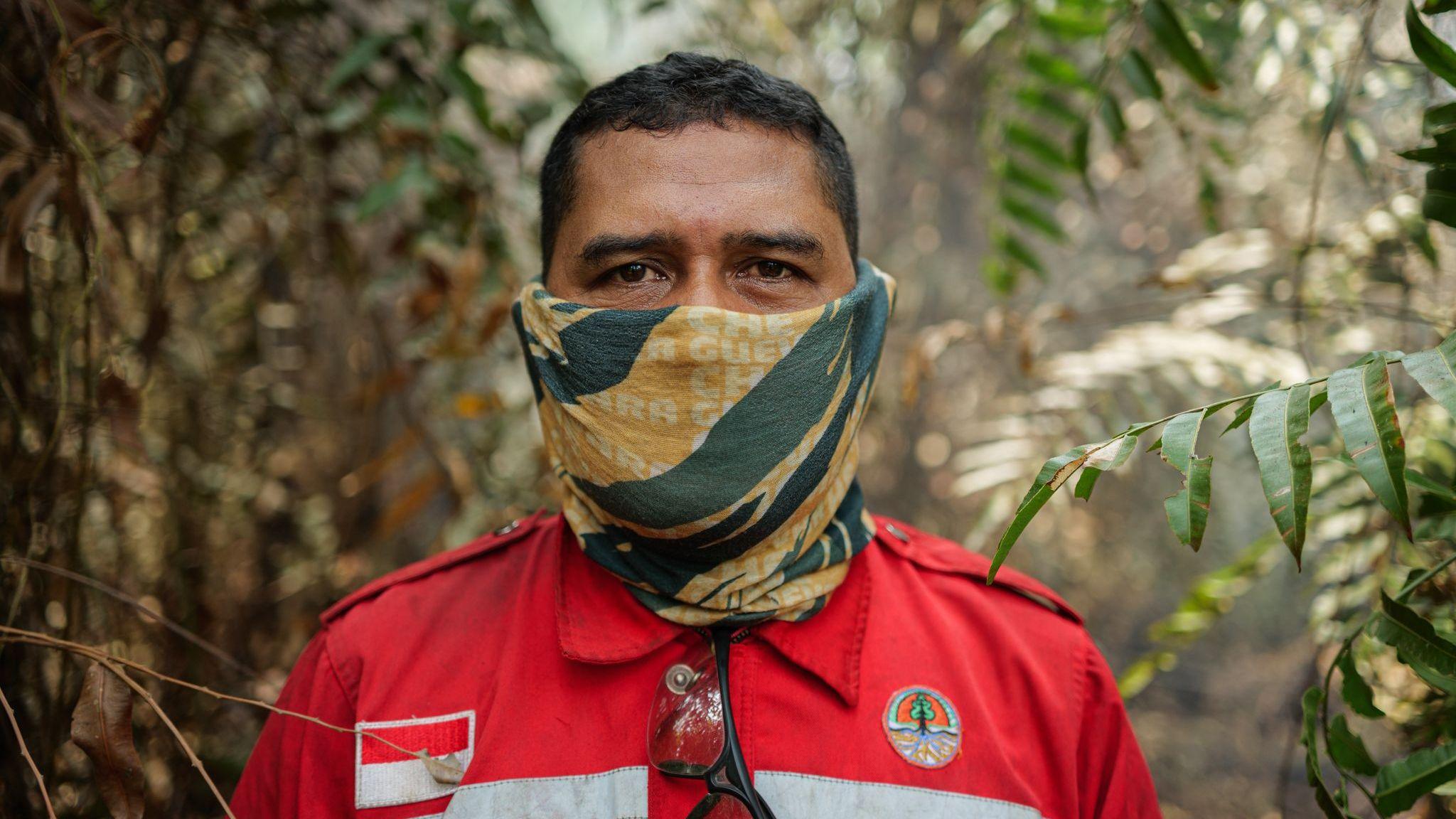
Indonesian authorities have answered with a multi‑pronged strategy: scaling up fire‑fighting crews, deploying drones to monitor hotspots, and imposing temporary restrictions on land combustion. Police have swept up communities that were permitted to clear land by burning, citing “illegal and unsafe” practices. Yet ecological scholars argue that the root problem – the management of peatlands and the policy framework that encourages regrowth‑facing burns – remains unresolved.
The crisis also stirs political debate. Members of Parliament have called for tighter enforcement and greater carbon‑reduction targets. NGOs file appeals to continue the Inter‑governmental Panel on Climate Change’s scrutiny of Indonesia’s peat‑land fires, highlighting escalating risks to biodiversity as well as human health.
On the ground, families adapt by using portable air‑filters and religious communities hold smoky‑free prayers to soothe the clouds. The tension is palpable: while pollution still drifts over rooftops, citizens petition for clean‑air legislation and longer‑term forest restoration.
Screening the incident through a comparative lens reveals how climate, geopolitics and public‑health intersect. Pacific Island communities see a recurrent pattern with monsoon‑season fires, while Australian policy has integrated financial penalties for illegal burns. A comparative review shows that nations which invest in community fire‑management, such as Singapore and Vietnam, report fewer air‑quality emergencies when forecasted for wildfire periods.
The Indonesian blaze has brought these threats into public focus, spotlighting the challenges of shared air‑space, the vulnerabilities of densely populated cities, and the urgent necessity for region‑wide cooperation on environmental governance.