Volunteer Firefighters Battle Borneo's ‘Carbon Bombs’
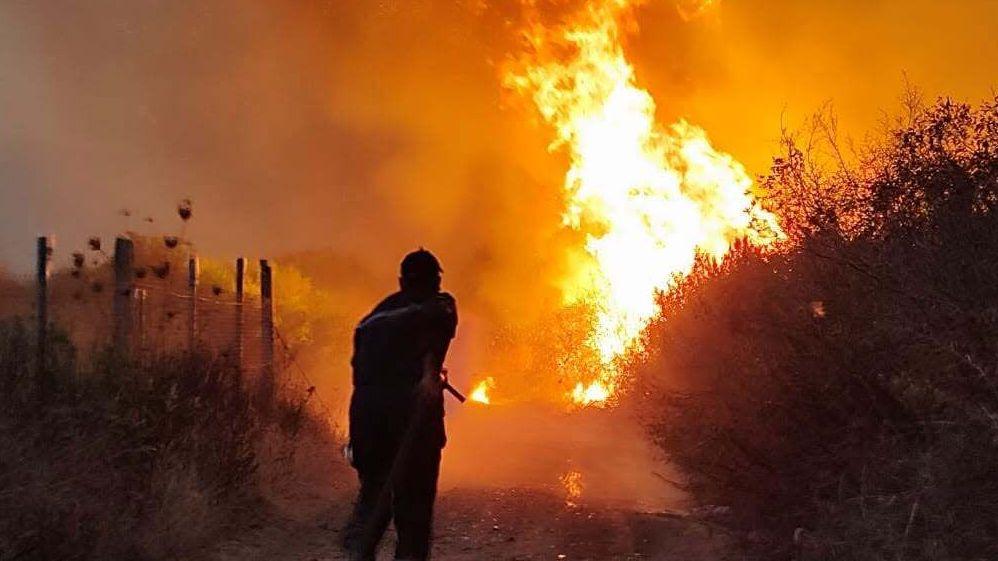
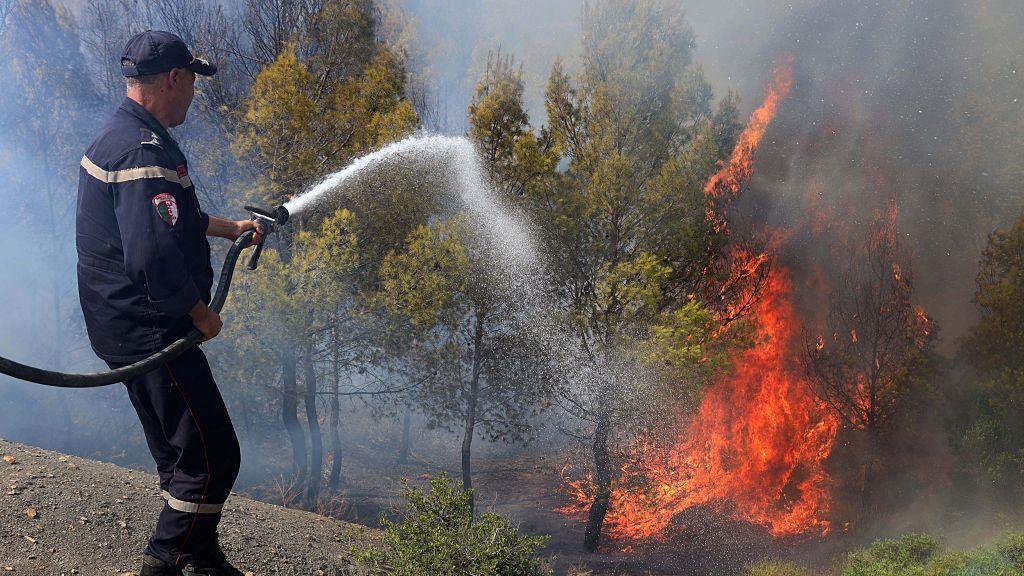
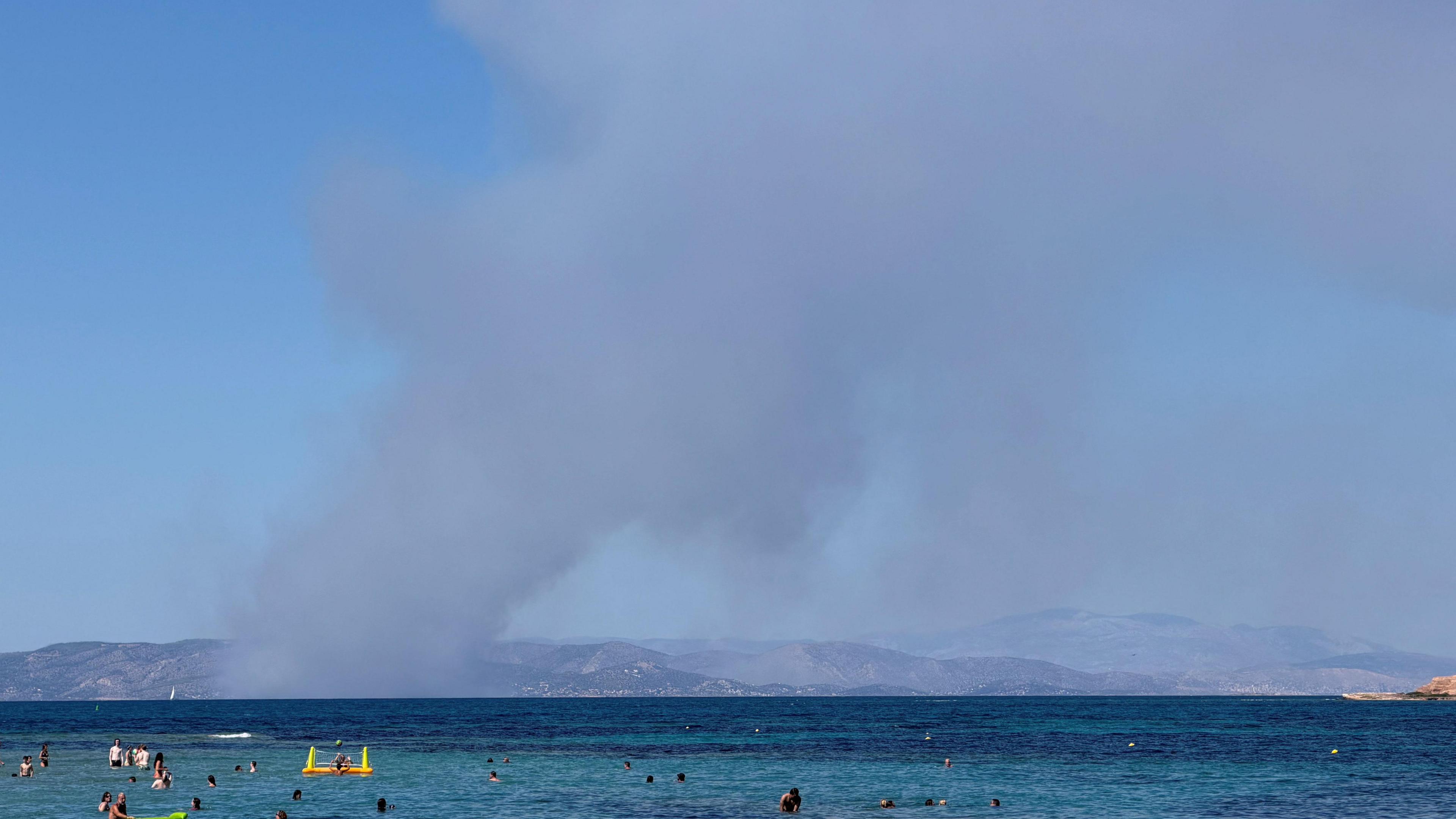
The sky over Borneo is a smoking amber, a blanket of smog that has crossed borders into Singapore, Manila and Kuala Lumpur. In Kalimantan, volunteers carry hoses, hand tools and hope to keep these peatlands from turning into huge carbon reservoirs that could explode into the atmosphere.
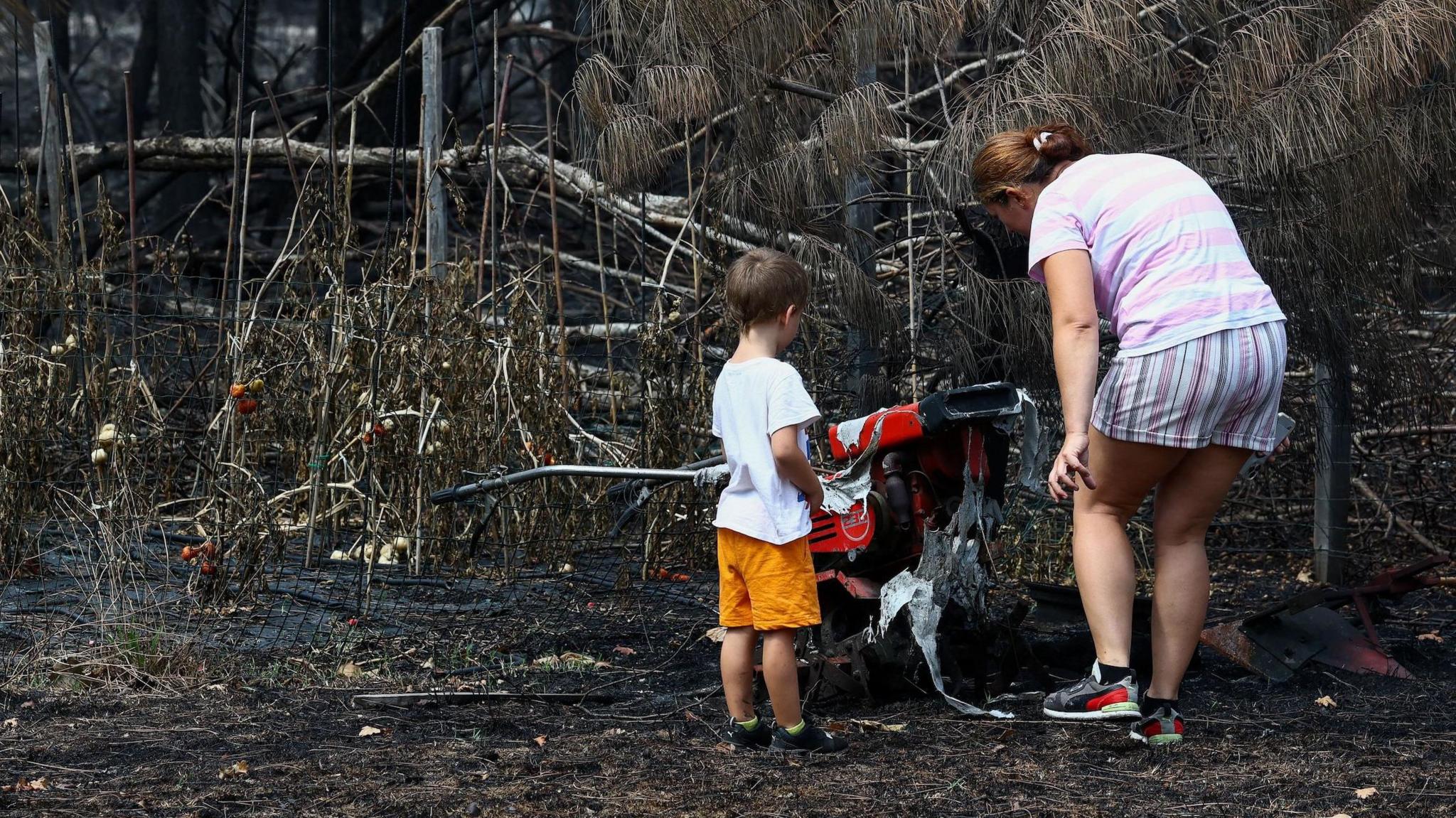
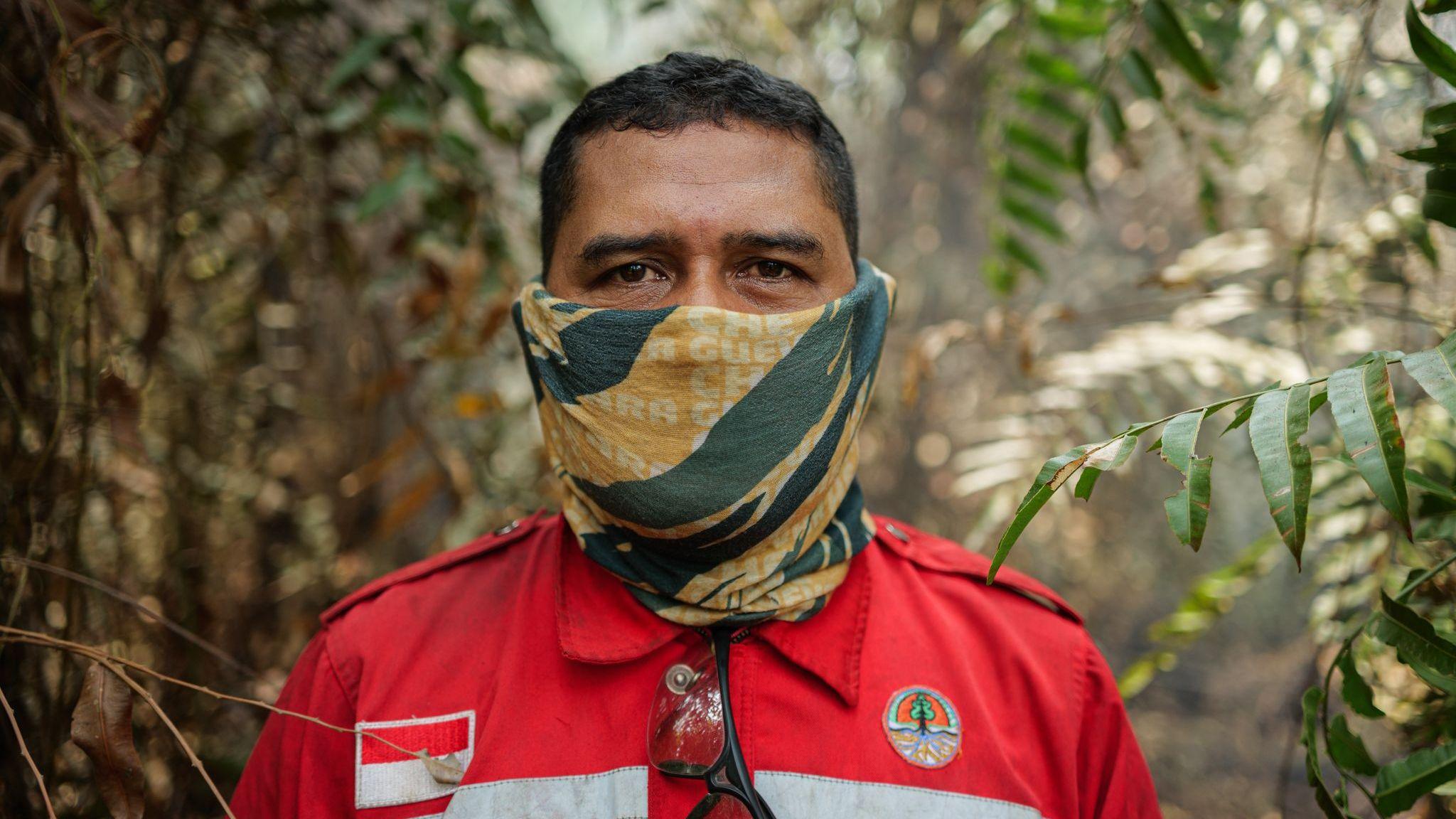
A 35‑year‑old firefighter, Dwi Sujatmoko, has spent the last month breathing toxic micro‑particles of carbon. “It hits your nose straight away, your eyes burn – that’s what it feels like,” he says. The peat fires have carbonised 200,000 hectares of forest and farmland, and underground peat vents continue to smoulder, emitting carbon monoxide and methane.
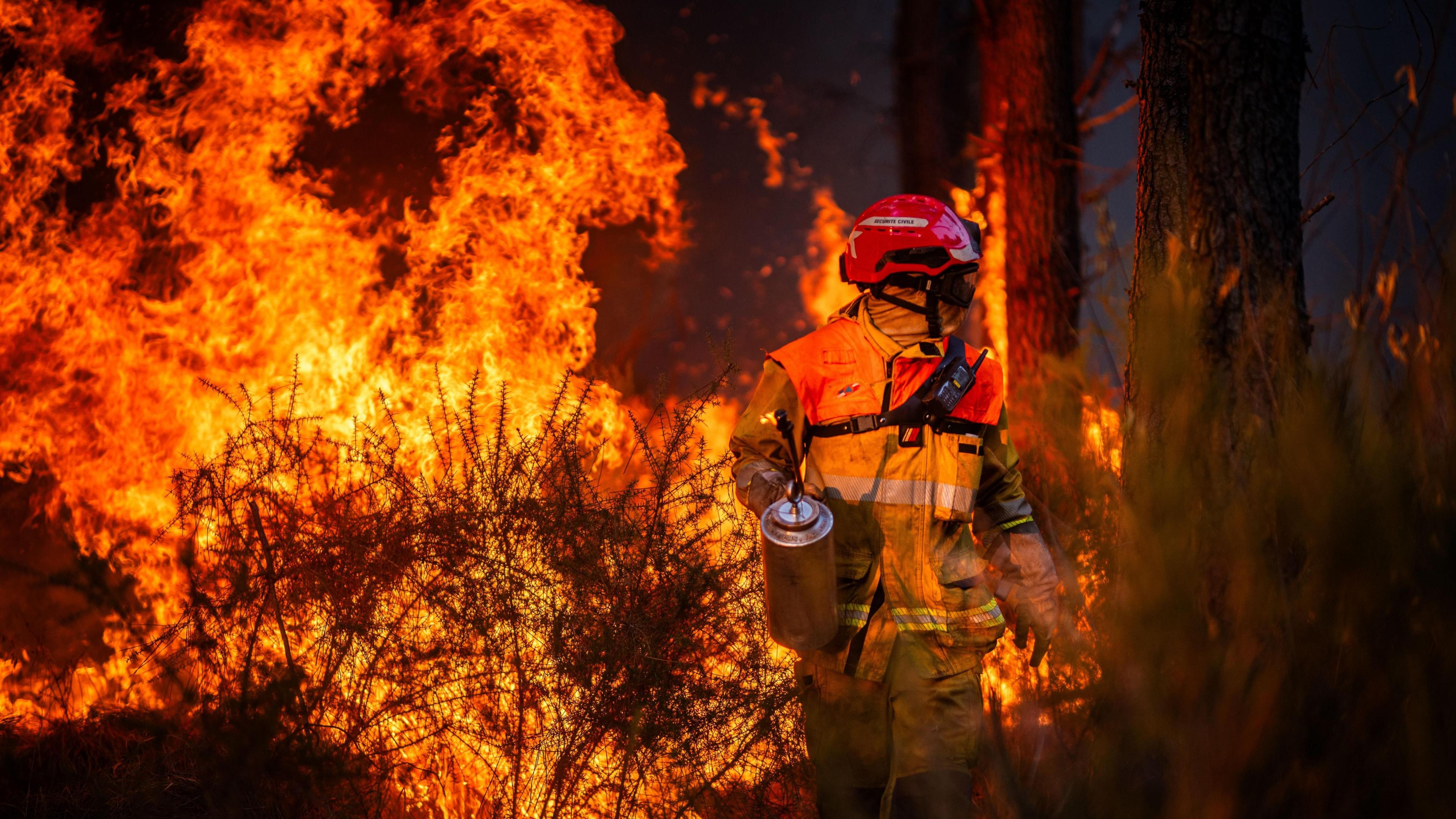
Indigenous Dayak and Banjar volunteers are on the front line, drilling canals, pumping water and even sleeping close to the fire. Two volunteers have died recently as their health deteriorated from the haze. They dig ponds and borewells into dry peat, building ad‑hoc irrigation systems to keep hoses wet.
The fires are often called “carbon bombs” because peat stores thousands of tonnes of carbon for millennia. When burned, it releases this carbon very rapidly. Dr Nisa Novita explains that a 20‑metre‑deep peat deposit can hold 6,000 tonnes of carbon per hectare, equivalent to the annual emissions of 4,800 cars.
The haze has turned air quality around Southeast Asia into an “unhealthy” emergency. Over 50,000 respiratory cases were linked to the fires from July to August, including more than 12,000 children under five in Indonesia alone. University researchers warn this fine‑particle smoke can pass into the bloodstream and harm heart health.
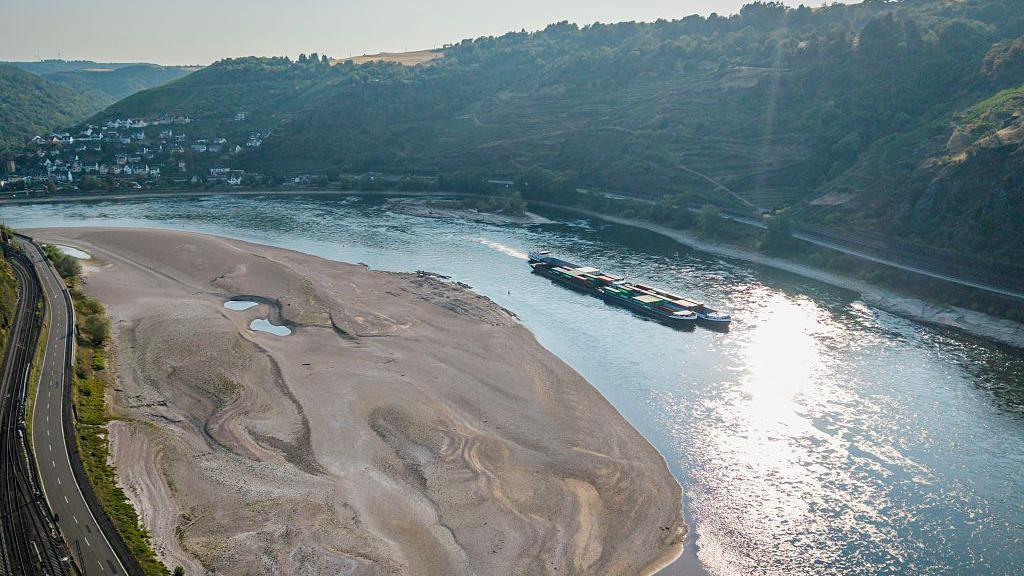
The crisis is rooted in land‑use change dating back to the 1990s, when large areas of rainforest were opened for logging and oil palm plantations. Draining these peat swamps makes them dry and fire‑prone, and the fires are only the dramatic tip of the iceberg. Continuous drainage and drought have turned peatlands into constant carbon emitters, the scientists say.
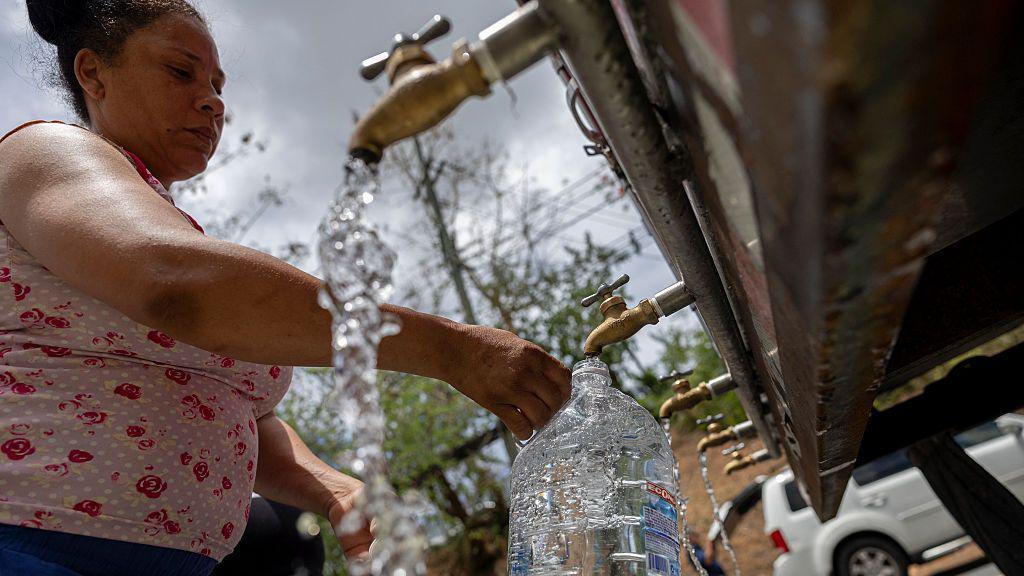
Sujatmoko and other volunteers face challenges: there is a shortage of water, the fires re‑ignite easily from hidden peat, and fatigue is real. “We get exhausted, we miss our families, but we are doing everything we can to help deal with this haze disaster because it’s our duty,” he says.