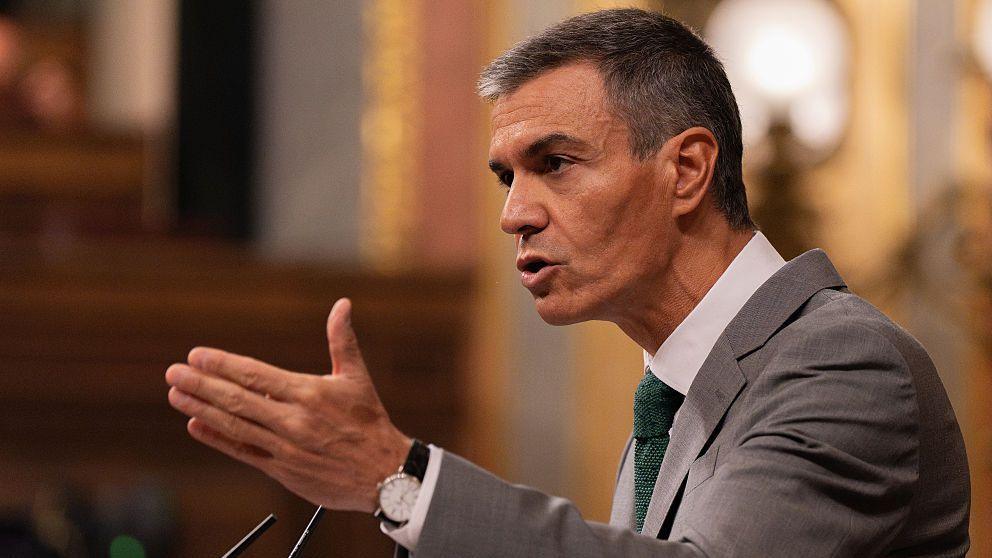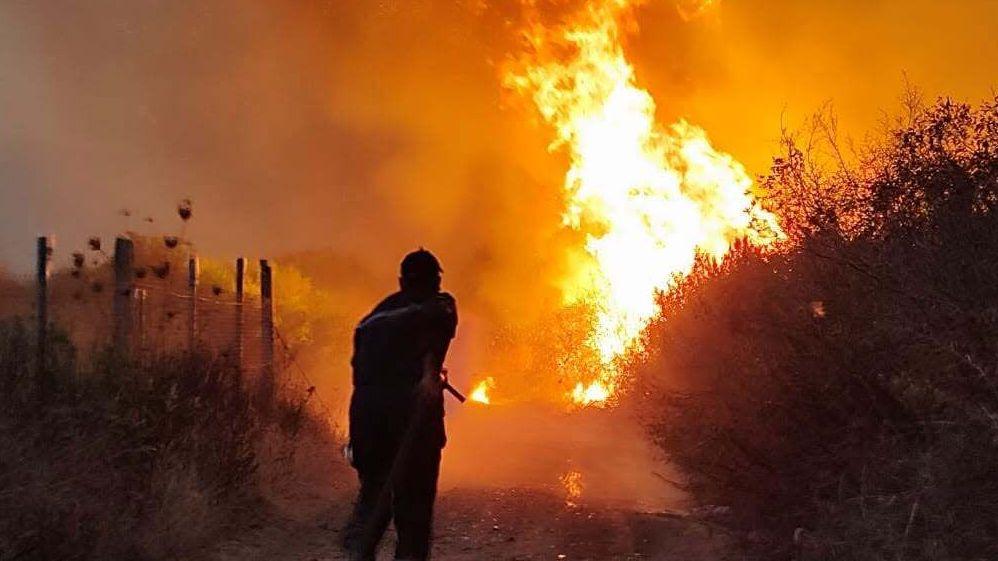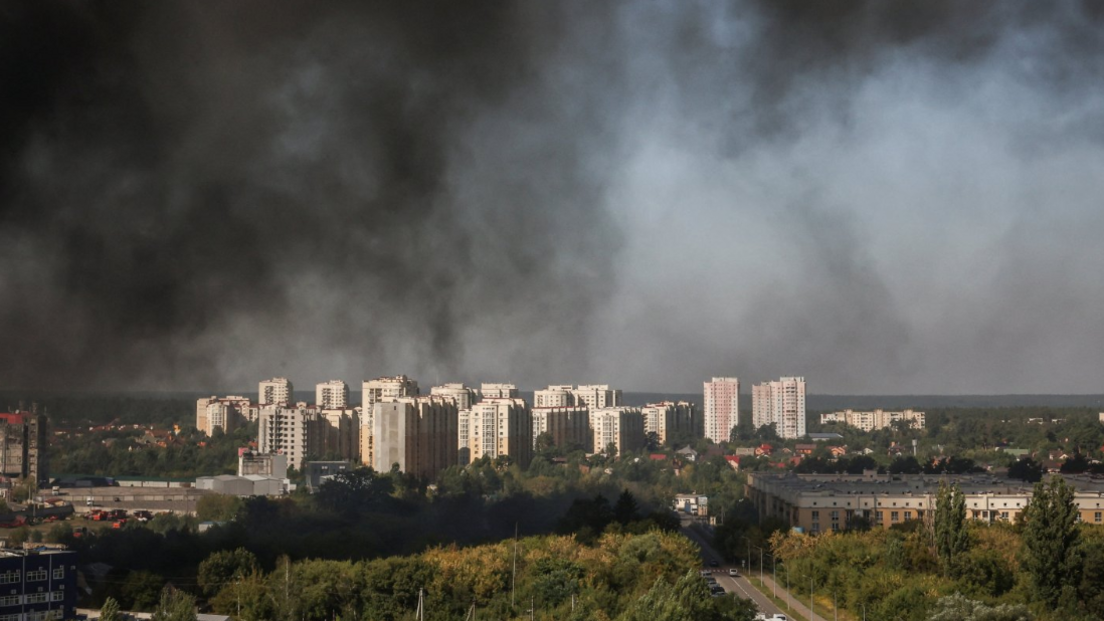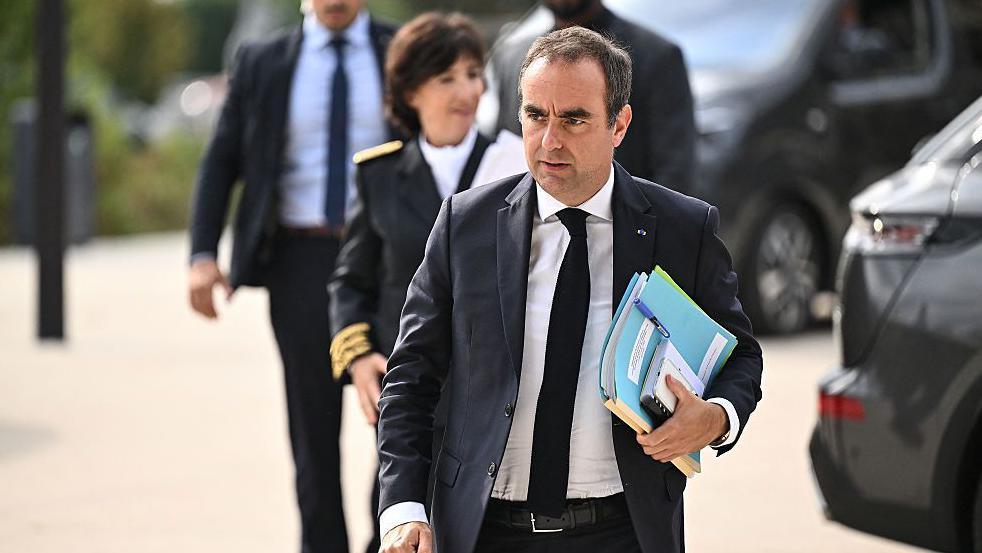
A crowd of roughly 200 residents gathered outside the town hall in Le Porge, southwestern France, to protest the government’s handling of a series of flames that have already destroyed 183 homes in the region. Prime Minister Sébastien Lecornu, who arrived in a dark suit with a folder of documents, was heckled by the community while he presented a €12 million aid package for Gironde and Landes, the two departments most affected by this season’s unprecedented fires.
The organiser of the affected residents’ group, Ludivine Daurignac, accused the government of blocking direct contact with the prime minister. She claimed that police lines prevented residents from meeting the PM, underscoring a frustration that public officials have not adequately answered the urgent need for transparency and restitution.
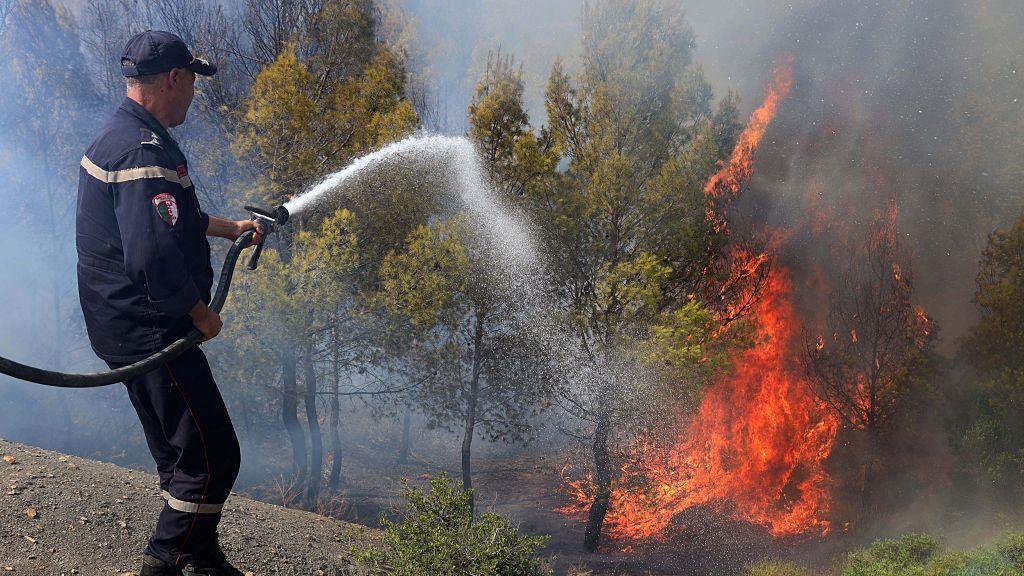
The official statement from the prime minister’s office insisted that there is “nothing to hide” regarding how fire operations were conducted. Nonetheless, many locals feel that the swift deployment of firefighters, particularly volunteer units that remained while professional crews moved to other areas, leaves them feeling abandoned. “We would like to know why the fire was managed this way,” an unnamed resident told BFM, spotlighting a broader debate over the allocation of personnel during such emergencies.
While France’s response has involved promised reimbursements and expedited building permits for reconstruction, the broader European picture shows increasing fire intensity. Belgian authorities have reported a fire that nearly doubled in size over 24 hours in the Inséuna region and is being fought with additional resources from the Netherlands, Germany, Norway and Sweden. In Greece, 41 forest fires emerged in a single day, forcing evacuations on an island near Athens.
Spain’s Aragón region suffered severe losses as well, where 16,000 hectares burned, and a soldier lost his life in the Peñas de Riglos fire. The European Commission deployed 104 firefighters, including 36 vehicles from France, to support Spanish crews, underscoring the cross‑border nature of the crisis. Croatia’s police arrested four suspects linked to fires in Zadar after a blaze that forced 1,200 residents and tourists to evacuate.
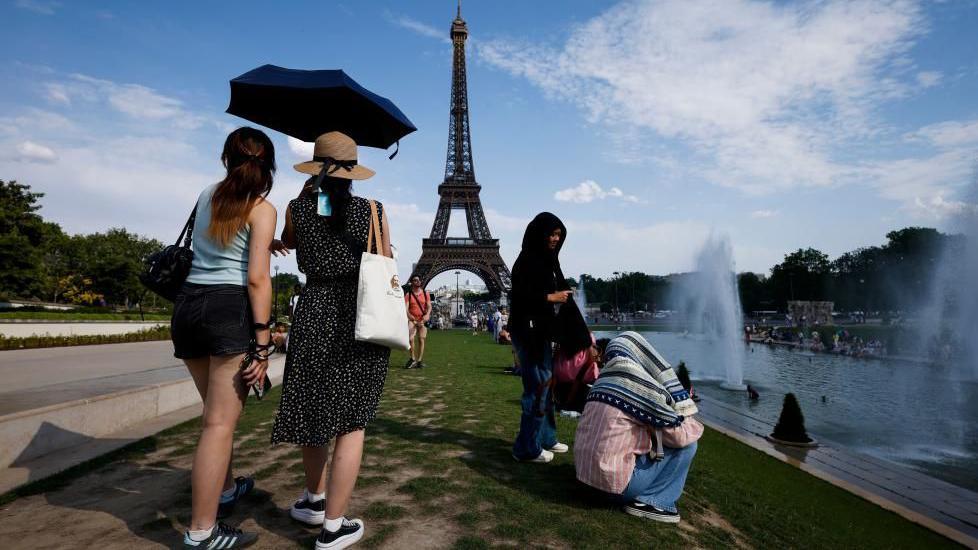
The series of flares is understood as a result of the hottest June‑July period on record in western Europe, per the EU’s climate monitoring service Copernicus. This trend has intensified calls for better international cooperation on fire prevention and emergency response, as governments and communities recognize the terrain of increasing climate instability and the urgent need for cohesive, transparent, and rapid action at all levels.