Sexual assaults rising daily in Ceuta, prosecutors warn
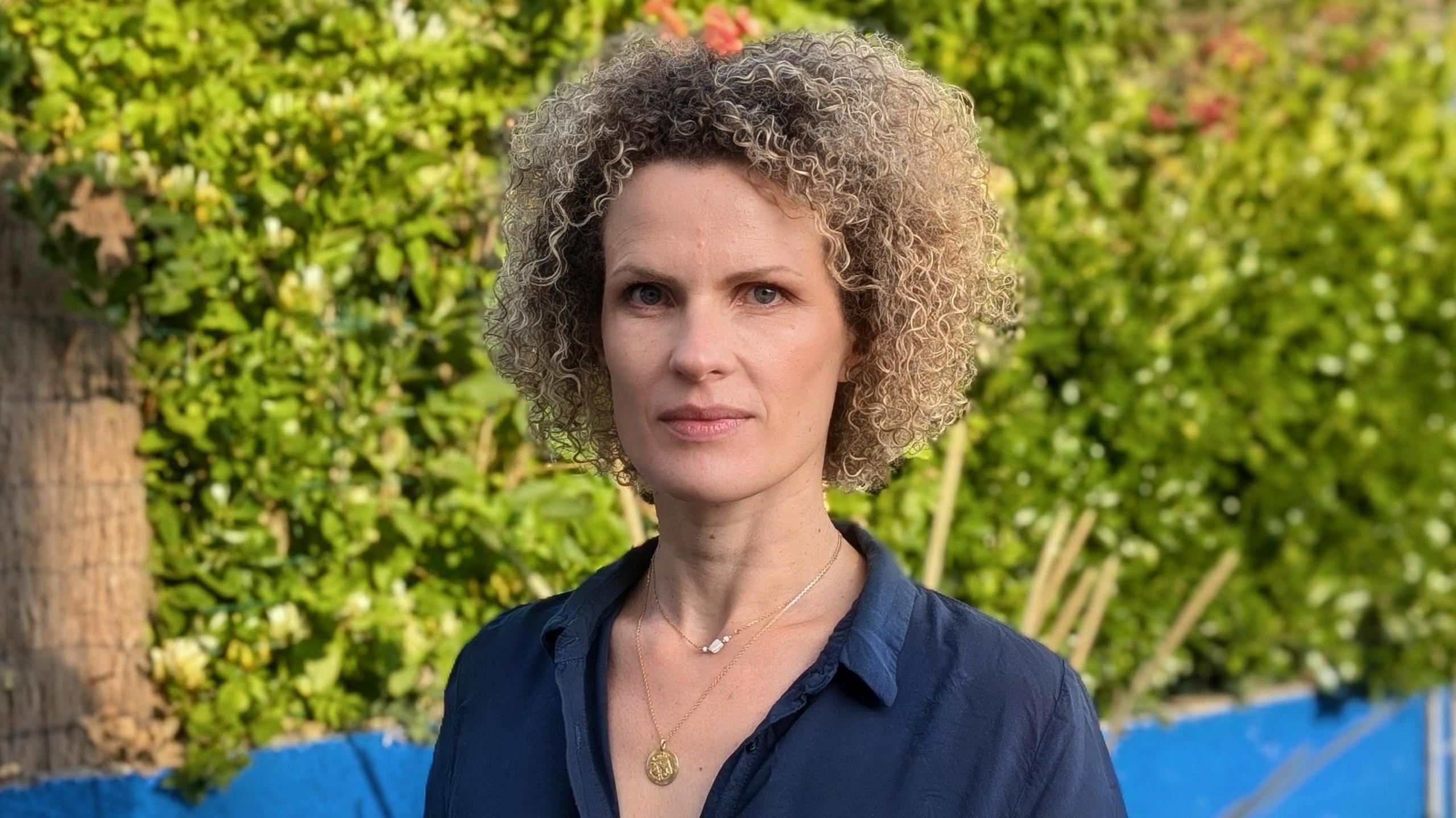
Spanish prosecutors have documented 23 sexual assault incidents, including nine involving minors, in the Spanish exclave of Ceuta since the massive migrant influx on 30–31 July. The chief prosecutor, Silvia Rojas, said the cases amount to nearly one assault per day.
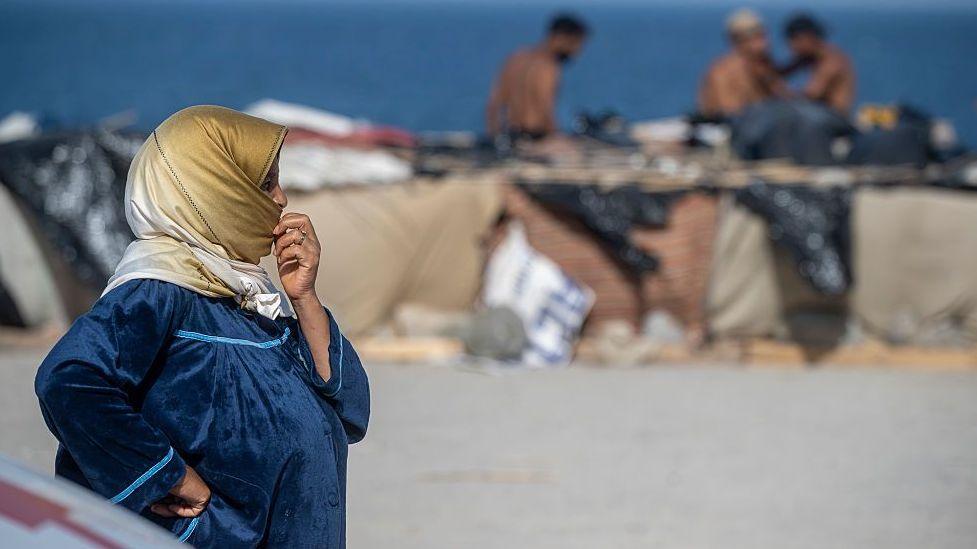
Rojas stressed that migrant girls are “particularly vulnerable” because of their irregular status in the territory, which makes it difficult for them to come forward with complaints. The latest figures show that of the roughly 5,000 migrants still in Ceuta, between 1,400 and 1,600 are children.
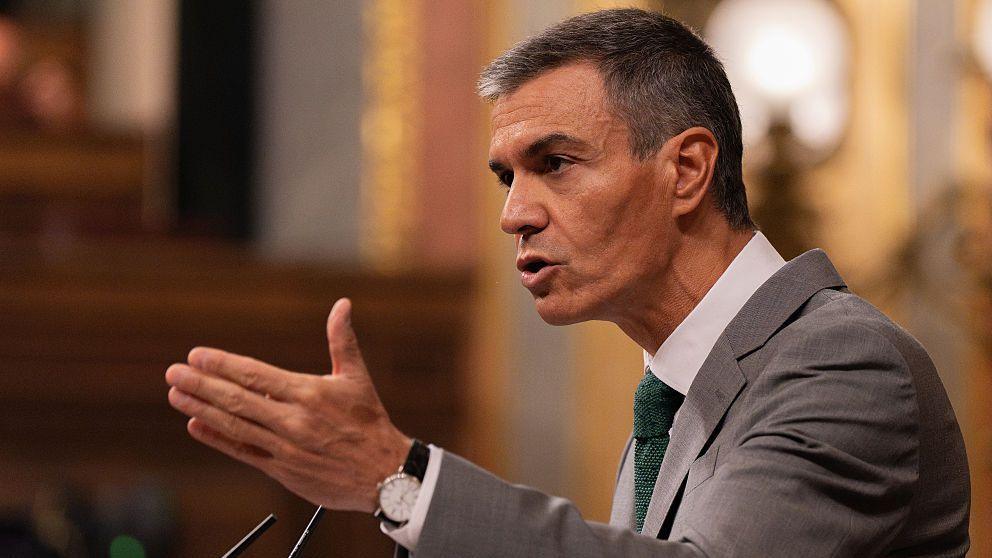
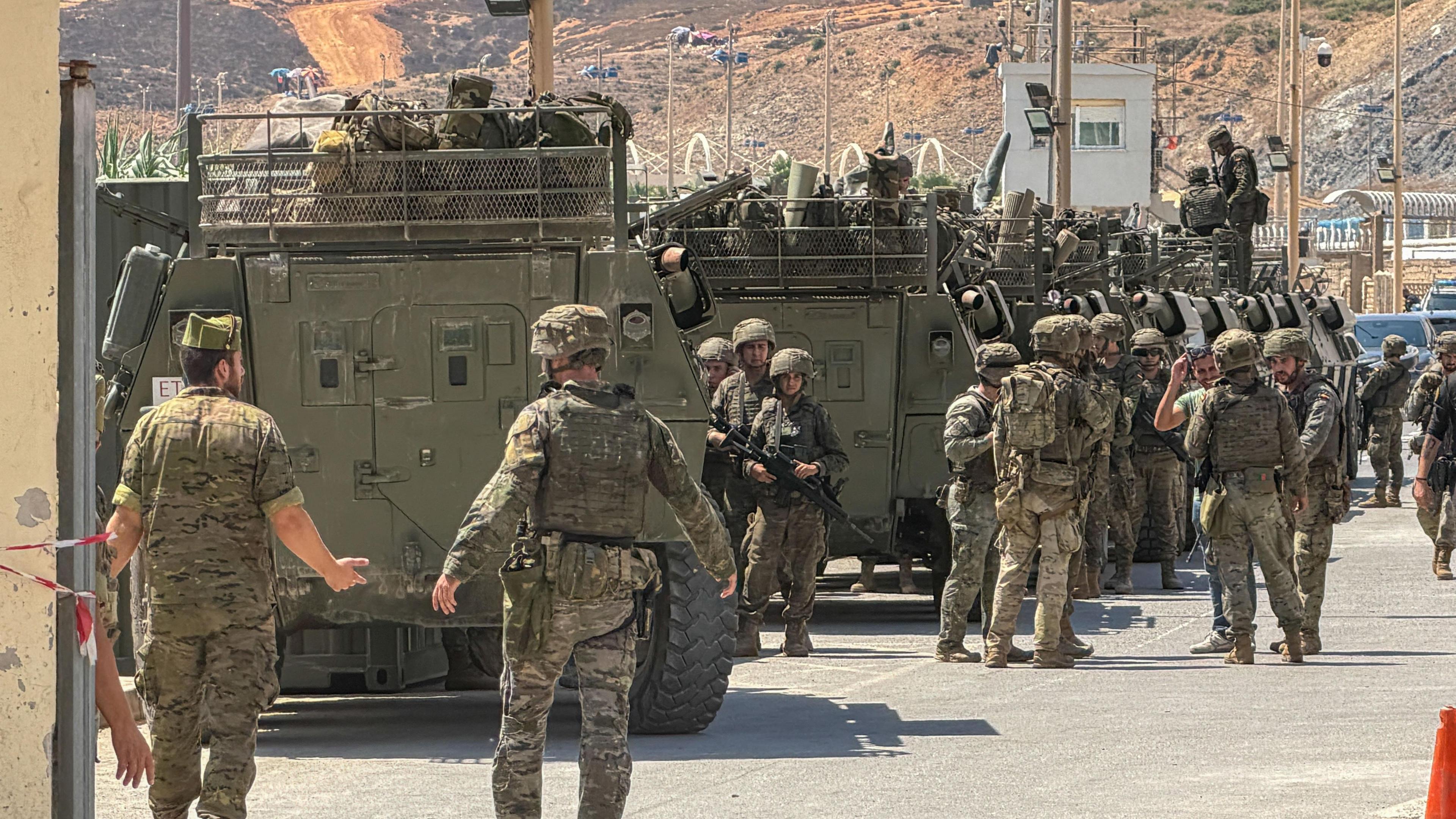
The influx unfolded when 72,000 people crossed the border from Morocco into Ceuta on 30 and 31 July. While most returned, a small group—most of whom are unaccompanied minors—remains, fueling unrest and prompting Spanish Prime Minister Pedro Sánchez to convene his national security council.
Witness reports describe brutal assaults: a 24‑year‑old woman from Morocco told the BBC she was “put her life in danger” after traveling to Ceuta, describing sexual violence during a night stay with men and women. Emergency physician Susana Ascaso reported at Ceuta University Hospital a child as young as 10 had been treated for sexual assault.
Economy Minister Carlos Cuerpo announced that a multi‑million‑euro aid package would support essential services and care for unaccompanied children. Ceuta’s conservative mayor, Juan Jesús Vivas, has called for demonstrations across mainland Spain to show solidarity with Ceuta during its annual holiday.
The government faces criticism from the right‑wing Vox party, which accused Sánchez of losing control over Ceuta. In response, the prime minister denied Morocco’s involvement, claiming no intelligence indicated any state action. He pointed to disinformation campaigns on social media tied to Russia, Israel, and far‑right movements that exacerbate the crisis.
CK/Madoc, a Spanish fact‑checking site, noted that before 30 July, Moroccan social‑media messages promoted safe and easy border crossings, while reports of at least 100 deaths around the fence are contested. Andalusian opposition parties have called the Spanish response inadequate, citing the lack of a clear plan for migrants’ screening.

President of Ceuta Employers’ Confederation, Arantxa Campos, echoed demands for decisive action, stating “we can’t do anything unless these people leave.” He condemned the lack of a government plan for screening and stated uncertainty over timelines for closure of the influx.
This escalating situation underscores the need for a transparent, humane approach to migration that also safeguards the safety and rights of migrants, particularly women and children, while balancing national security concerns and diplomatic sensitivities between Spain and Morocco.