At least three people were lightly injured when a 4.8‑magnitude earthquake rocked the southern Spanish city of Granada on Tuesday morning.
Spanish National Geographic Institute (IGN) placed the epicentre roughly 10 km (six miles) south of Granada, near the town of Alhendín, and recorded a shallow focus of under 10 km.
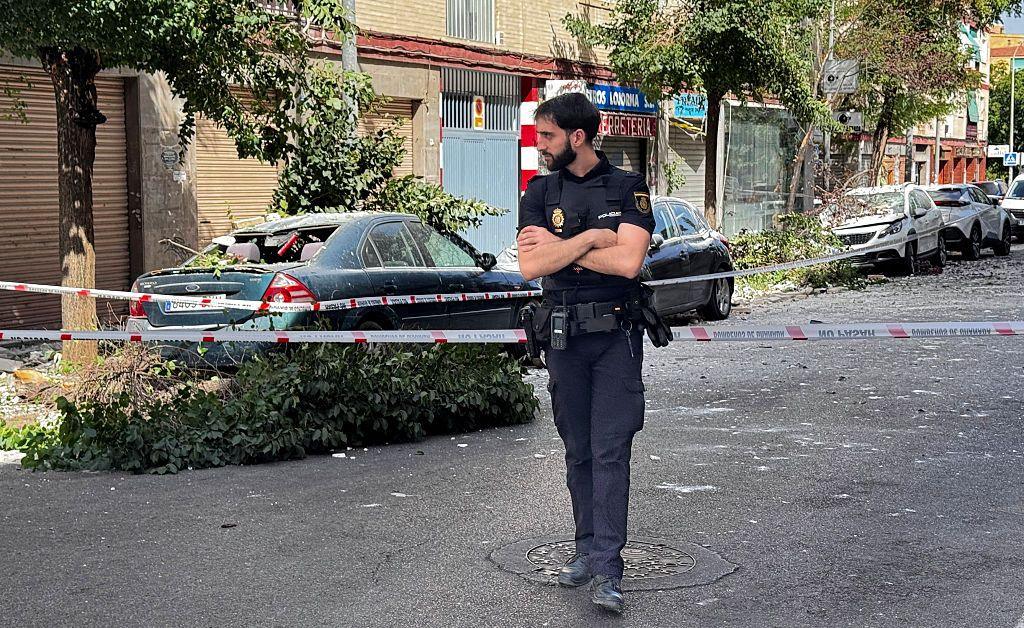
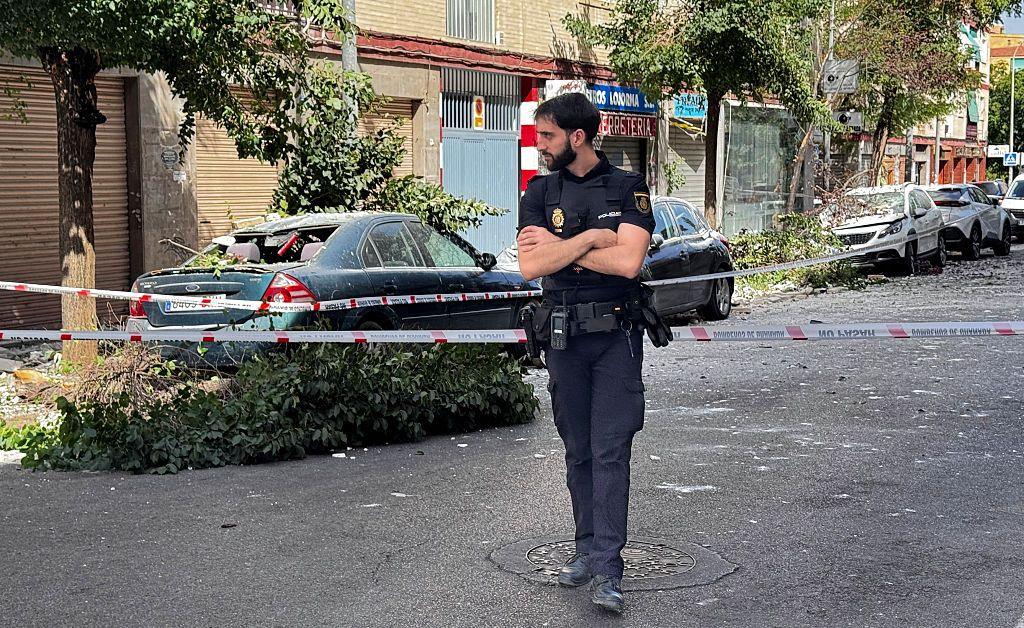
Local residents fled into the streets, fearing aftershocks, while vehicles were damaged by falling debris. Some museums, administrative buildings and sports centres were forced to close, and the city’s metro network reduced train speeds to 30 km/h for safety, potentially delaying travel.
The quake was part of a series of very shallow tremors that began last Friday across the region, indicating a temporary period of heightened seismic activity.
Alfonso Malpica, who lives on Granada’s ground floor, described the shaking as “stronger than the ones that happen from time to time, the ones we’re used to”, while lab worker Cristina Ruiz Lopez, in a supermarket at the time, recalled that “everything came crashing down. It was terrifying.”
The city’s iconic Alhambra palace, a UNESCO World Heritage Site that attracts millions of tourists annually, announced that it would remain closed in the afternoon of the quake as authorities inspected structural integrity. The pause was a precautionary measure, as the palace’s intricate architecture makes it vulnerable to even minor seismic events.
While the tremor caused only light injuries, the event highlighted the ongoing risk posed by Spain’s tectonic setting. Experts note that southern Spain sits on a complex fault system where frequent small quakes can be felt by residents and visitors alike, underscoring the need for heightened preparedness in culturally significant cities such as Granada.