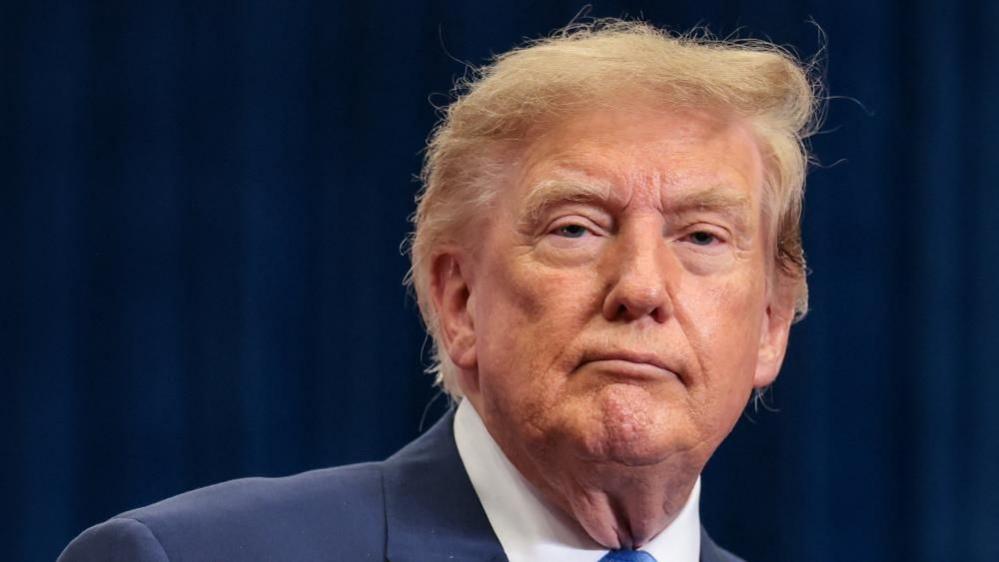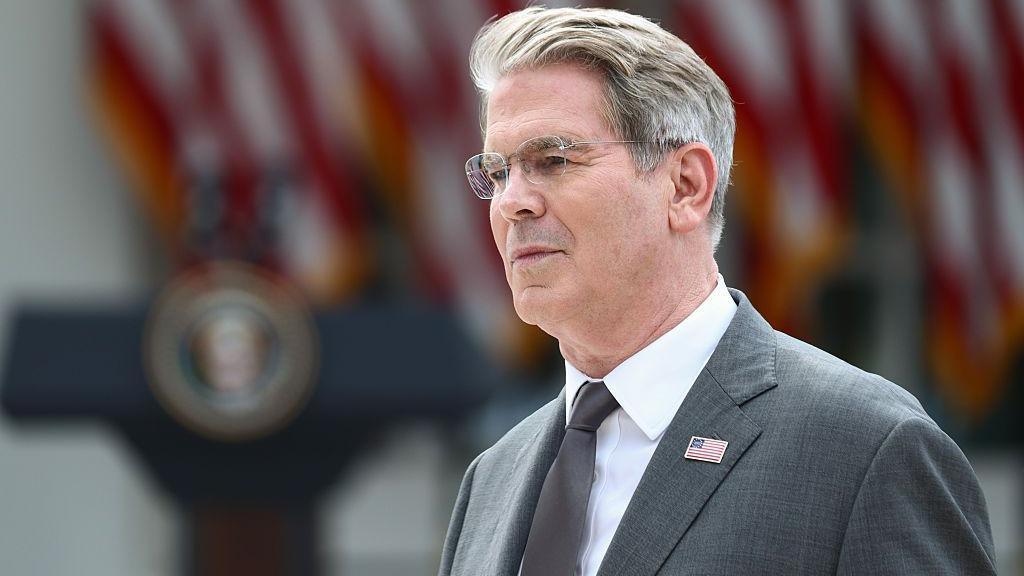
US Treasury Secretary Scott Bessent has declared a "single greatest financial offensive ever" against Iran, signaling a full economic shutdown that could define the next chapter of the US‑Iran conflict.
The announcement came with a stark warning: any nation that maintains financial ties with Tehran will be isolated by the United States. Bessent stated that the U.S. would sever all economic relationships, creating what he termed an “economic D‑Day.”
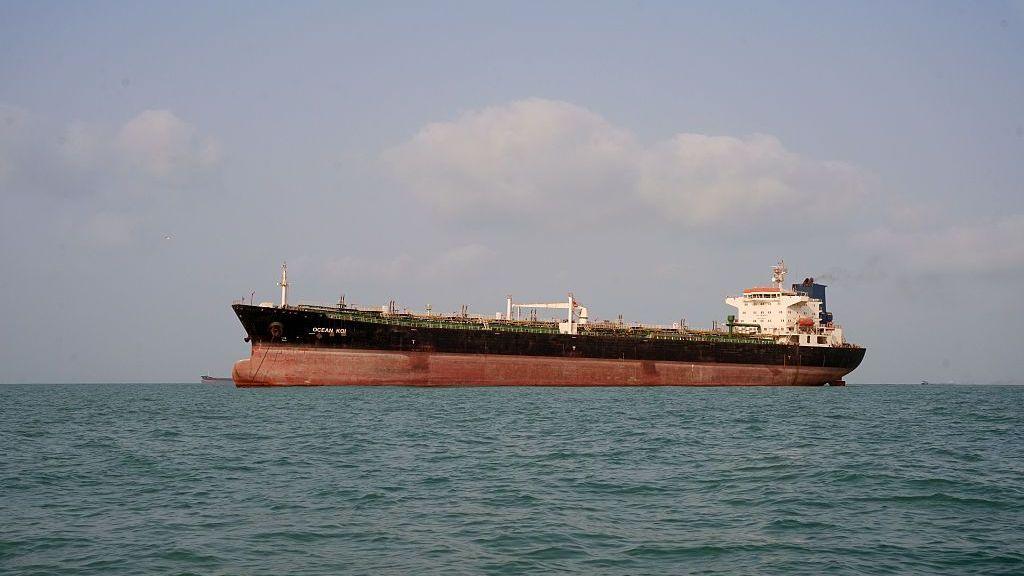
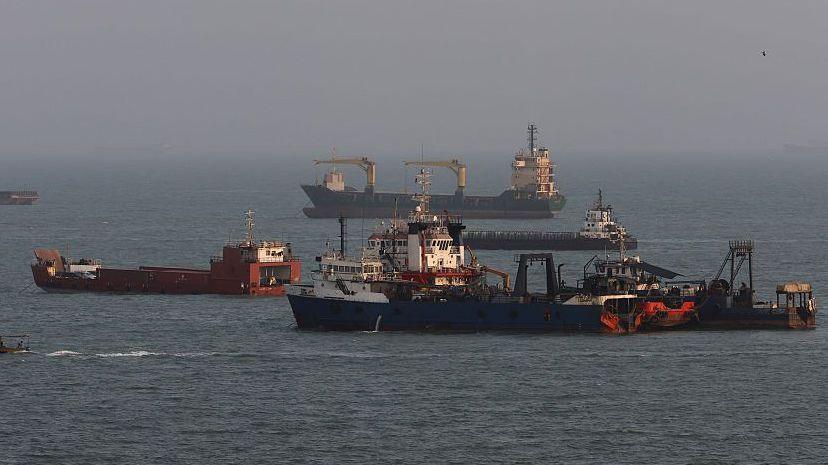
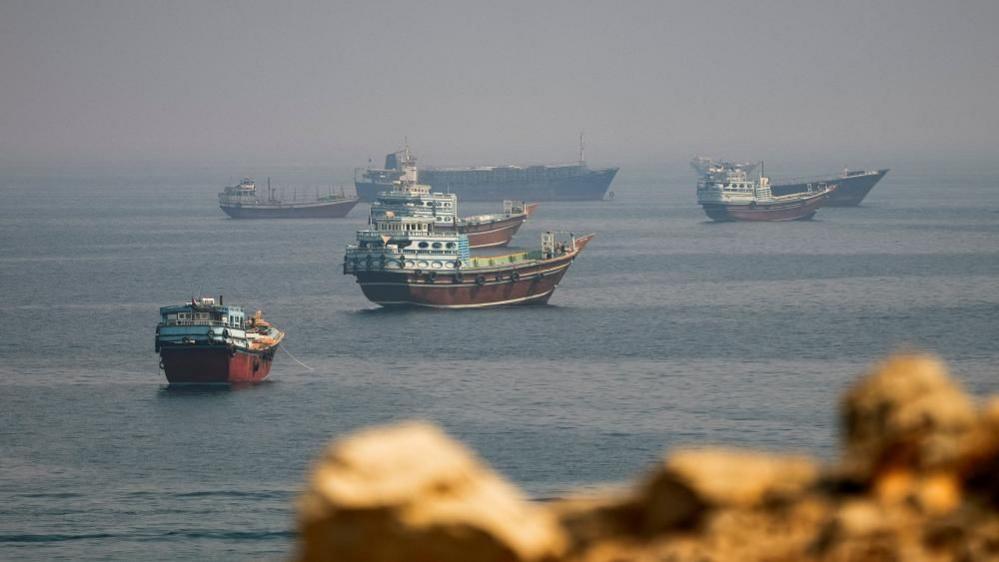
Iran, for its part, brushed off the threat and warned that it would halt all oil exports from the region if the war were to continue. In a separate alert, the regime warned shipping companies not to transit the Strait of Hormuz without explicit permission. The strait, which routes approximately one‑fifth of the world’s oil and gas, has already seen significant disruptions since the conflict began at the end of February.
The timing of the threat follows a history of shifting U.S. policy. In 2015, the Obama administration had lifted many sanctions through a nuclear deal. President Trump withdrew from that accord in 2018, reinstating sanctions and calling the deal “defective.” President Biden attempted to revive parts of the agreement but did not succeed. The recent sanctions surge aligns with the Trump administration’s 2024 measures aimed at curbing Iranian military influence.
In response to Bessent’s statement, Iranian officials emphasized that they remain committed to maintaining their economic lifelines. They warned that any increased pressure could provoke further geopolitical tensions and potentially affect global energy markets.
While the U.S. considers the economic shutdown a decisive step against Tehran, regional actors differ in their reception. Neighboring countries that rely on Iranian oil have urged caution, fearing market volatility. Meanwhile, global powers such as the European Union and Russia are monitoring the situation closely, balancing sanctions enforcement with diplomatic outreach.