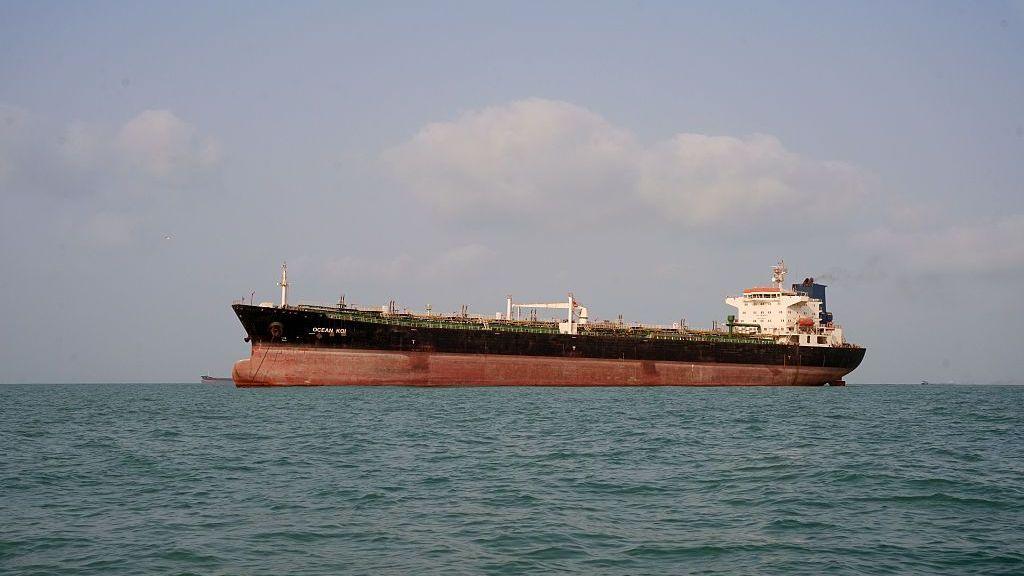
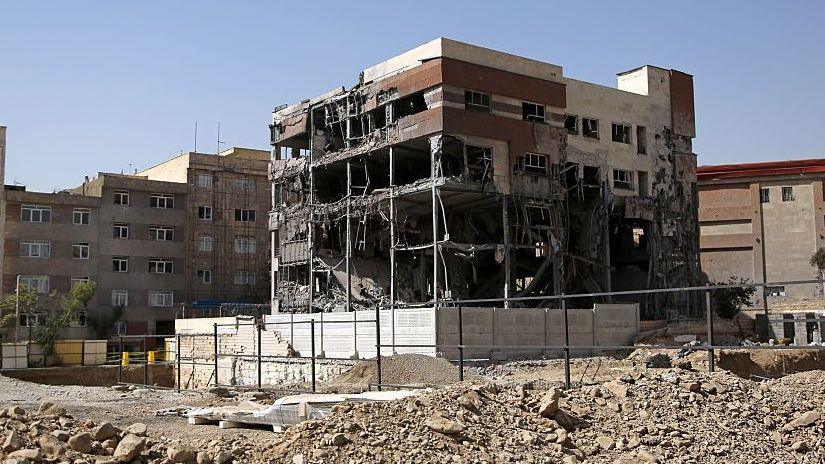
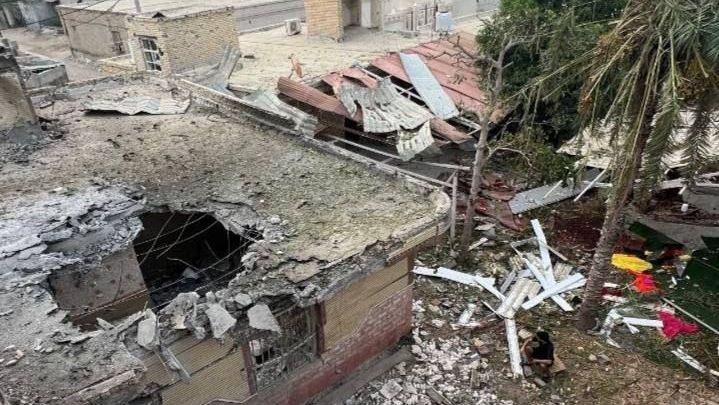
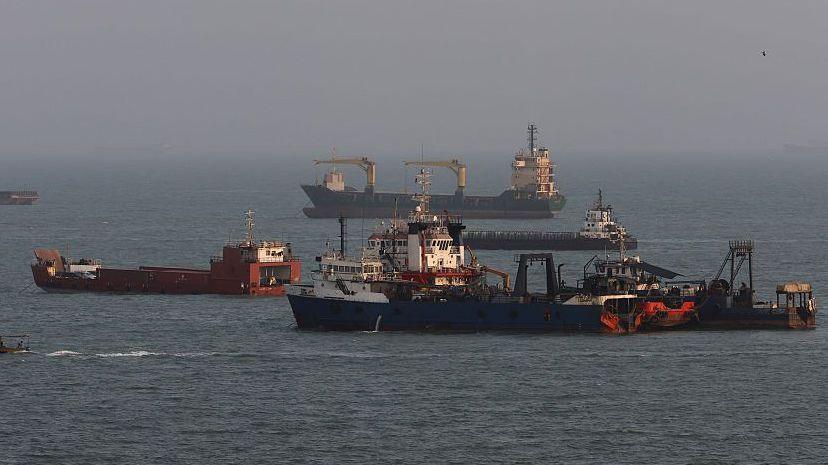
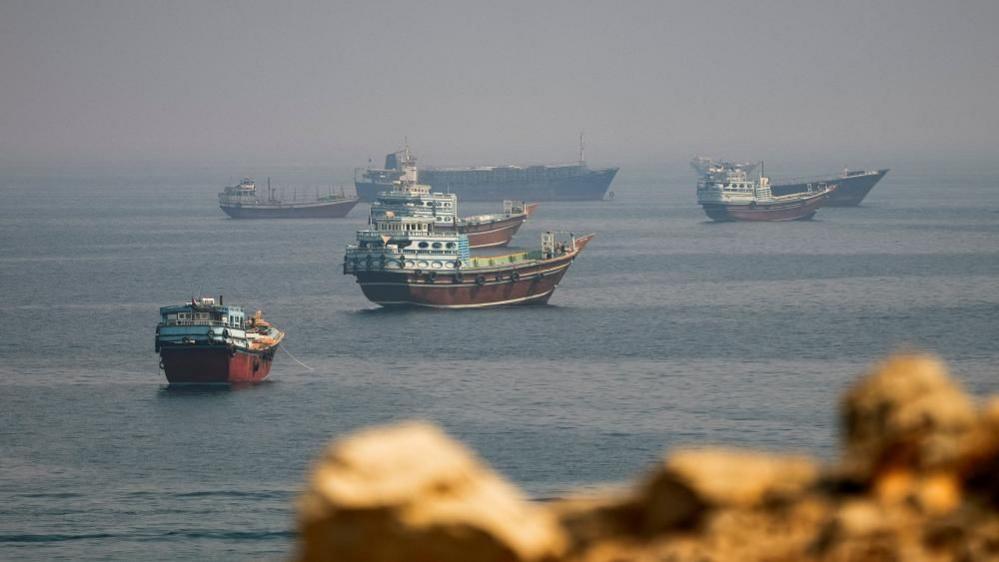
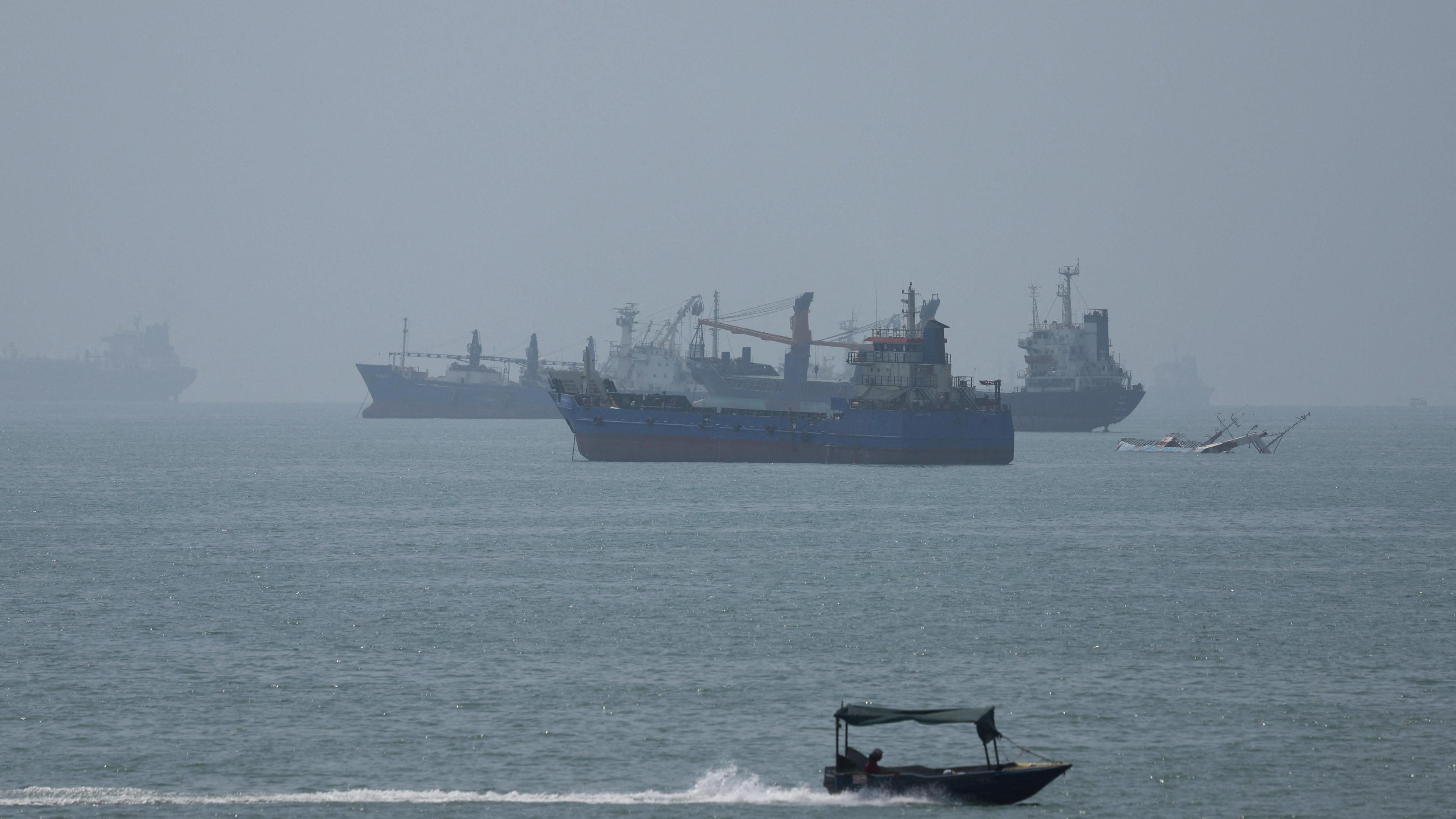
On 2 September 2026 a U.S. missile struck a building in southern Iran during a wedding celebration, killing four people, including a child, according to the Iranian Red Crescent. The incident took place amid a broader summer‑scale exchange of missile and drone strikes between the United States and Iran, as Washington resumed air‑strikes in response to Iranian attacks on its forces and commercial shipping in the Strait of Hormuz.
The U.S. military publicly acknowledged the report but reiterated that it never targets civilians, stating that its strikes were aimed at Iranian military and logistic sites linked to the recent attacks. Eyewitness footage released by Iranian sources, and subsequently scrutinised by BBC Verify, shows the impact site and contains fragments consistent with US-made missile debris.
BBC Verify’s weapons expert confirmed that the wreckage matched specifications for U‑2D and U‑58A cruise missiles, both used by the U.S. in the region. The presence of lead‑facing warheads and the distinct shape of the shrapnel pattern support this identification. Beyond the humanitarian toll, the incident illustrates how civilian spaces become collateral damage in high‑stakes geopolitical confrontations.
International observers note that each side’s statements emphasize retaliation while simultaneously denying civilian casualties, a pattern that complicates diplomatic resolution. The strike further strains already fragile Iran‑United States relations and raises concerns about the safety of non‑combatants in conflict zones across the Middle East.