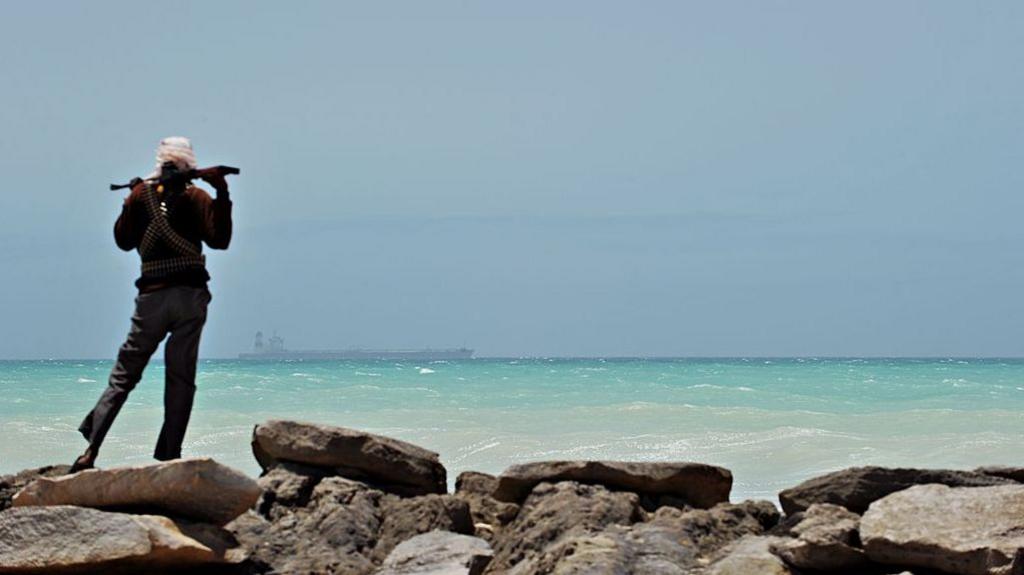
Somali piracy spurs rise in attacks amid US‑Iran war
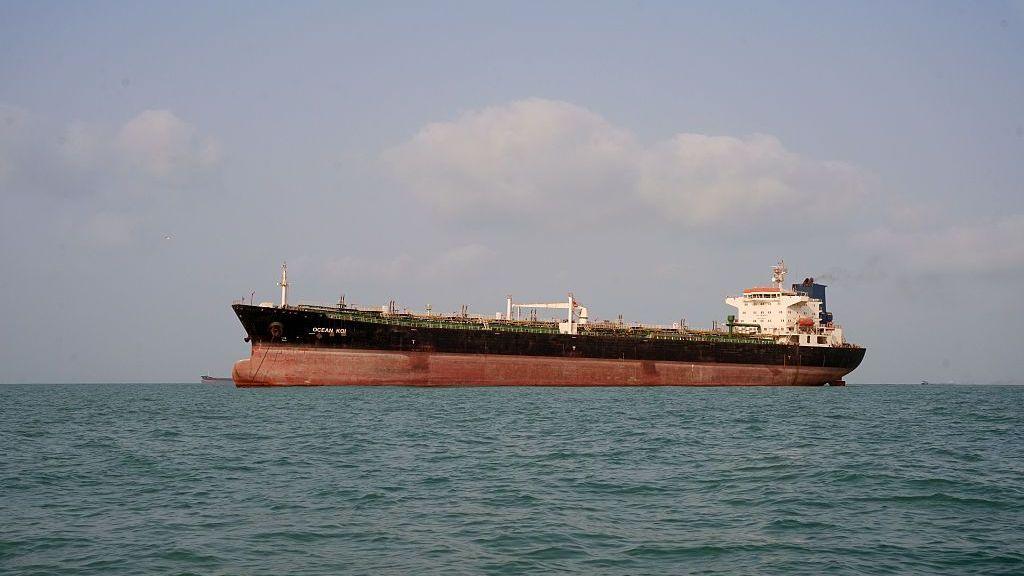
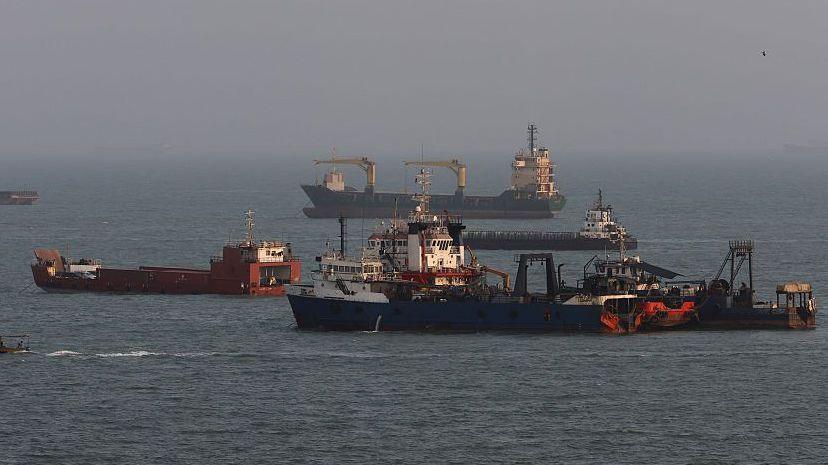
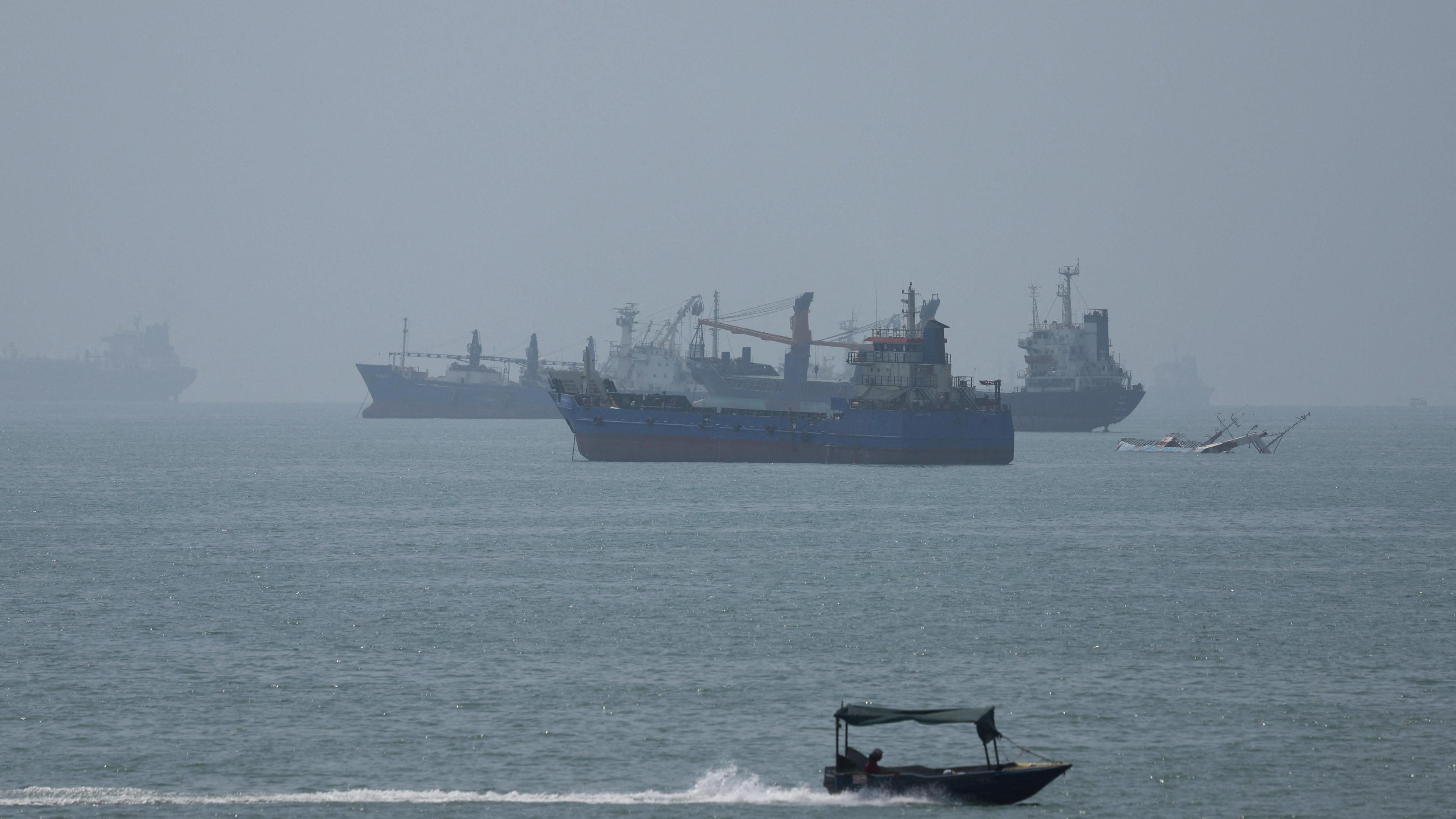
Three cargo vessels were seized in the Gulf of Aden last week, bringing the total number of piracy incidents this year to over a dozen. The surge is the biggest in more than a decade and comes as shipping routes shift to avoid conflicts in the Strait of Hormuz and Bab al-Mandeb.
Omar Mahmood of the International Crisis Group says pirates are seizing on the reduced naval patrols that result from the US‑Iran standoff. He notes that the high cost of oil makes tanker attacks especially attractive.
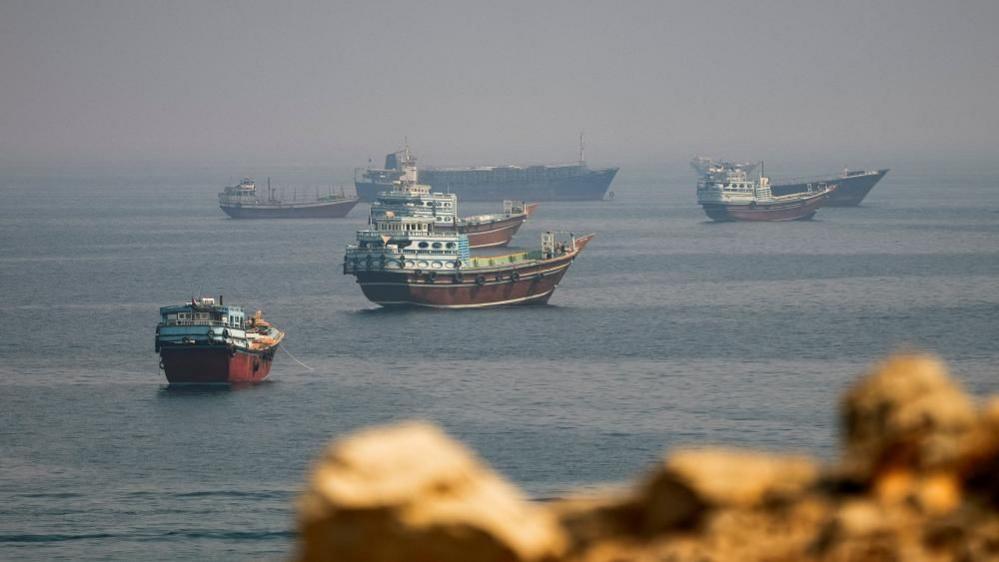
In August, the Cameroon‑flagged ship MV Lutuf was hijacked off Puntland, prompting the deployment of at least six international warships, including vessels from Turkey, Spain, Denmark, the US and India. Local officials allege that Turkish drones targeted men on the ship, killing nine armed men.
The MV Lutuf reportedly carried weapons destined for a Turkish military training centre in Mogadishu, according to Puntland security sources. The incident has raised alarms about Turkey’s expanding maritime partnership with Somalia.
The government of Somaliland denies direct Turkish involvement but acknowledges an increased international presence to curb piracy. Puntland officials demand explanations for alleged bombing campaigns by foreign warships.
Experts warn that without a resolution to the US‑Iran conflict or greater international deterrence, piracy could continue to threaten the vital shipping lanes that connect the Middle East with global trade routes.
• The US‑Iran war has redirected naval focus, leaving Somali waters less monitored.
• Local fishers suffer from over‑fishing by foreign trawlers, fueling anti‑pirate sentiment.
• International cooperation faces challenges due to Somalia’s semi‑autonomous regions.
• Heightened piracy risks economic stability in the Horn of Africa.