U.S. Rebukes Israel After Airstrikes on Syria’s Abu Duhur Base
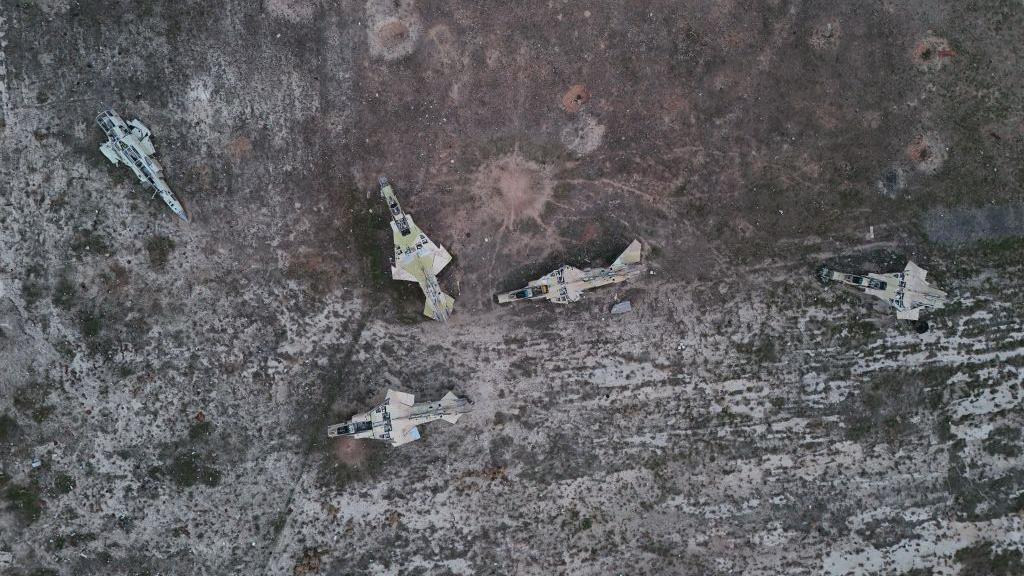
The United States announced a rare rebuke of Israel after the Middle East country struck the Abu Duhur military airbase near the Syrian‑Turkish border, describing the operation as an unnecessary escalation that does not promote regional stability.
Israel said the attack was prompted by “concessions” that Syria had made to allow Turkish troops to operate from the airbase, calling this a breach of a previously agreed status quo. According to the Israeli prime‑minister’s office, the airbase “had been controlled by opposition forces and was at risk of being used to threaten Israeli security.”
Syria condemned the strikes as an “unjustified act of aggression,” warning that they jeopardise the fragile security situation in the region. The state’s foreign ministry described the action as a direct violation of Syrian sovereignty and territorial integrity.
Turkey, still uncertain about the movement of its forces to the base, denied any direct involvement and rebuffed Israel’s claim that it posed a threat. Ankara called the allegations “frivolous” and accused Israel of using them to justify unlawful airstrikes.
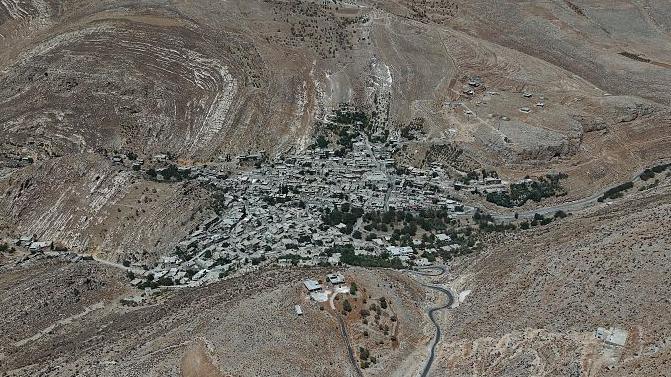
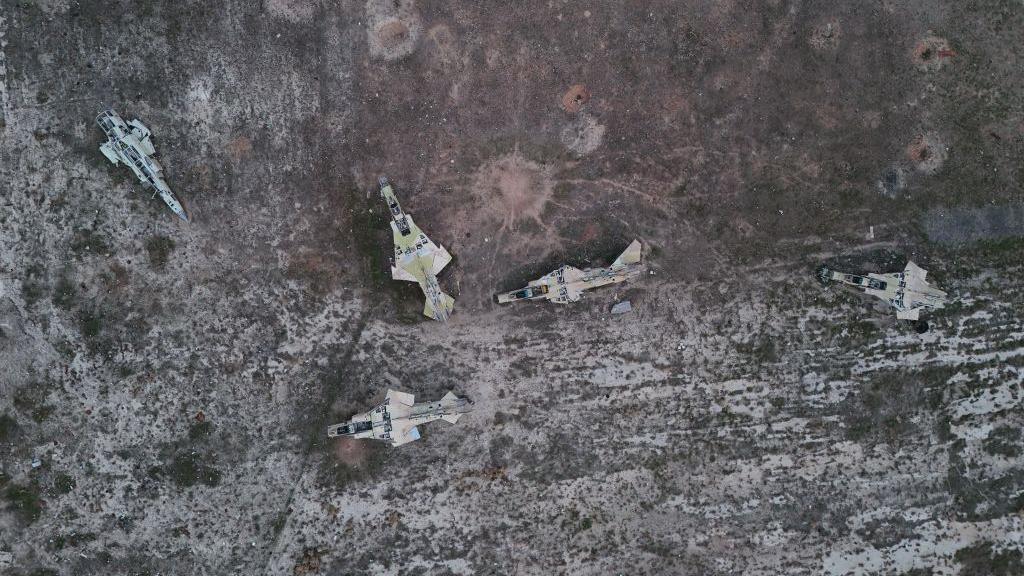
The Abu Duhur airbase had been out of service since 2013, after rebel forces seized it during a sweeping offensive in December 2024. The base, located only 70 kilometres from the Turkish border, has become a flashpoint for tensions as Israel continues its long‑standing suspicion of both Syria and Turkey.
In a complementary move, U.S. Ambassador to Turkey Tom Barrack—also the former special envoy for Syria and Iraq—used X to highlight the “unnecessary escalation” and announced a readiness by Washington to host talks between Israel and Syria to address the underlying kinetic frustrations.
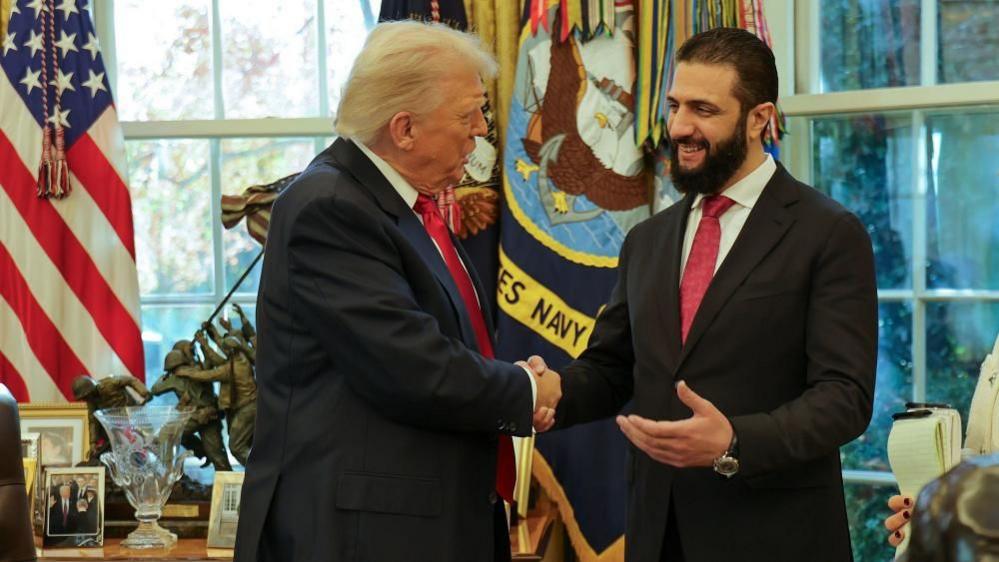
Syria’s current leader, President Ahmad al‑Sharaa, has been keen to seek de‑escalation with Israel since taking power, and has even made a historic visit to the White House in November last year. His administration’s strategy appears to be to avoid direct conflict while rebuilding Syria’s military infrastructure after the rapid fall of the Assad regime.
The U.S. stance underscores a broader debate over how best to maintain stability in the volatile Middle East. While Washington has traditionally a supporter of Israel’s security interests, the current condemnation suggests a willingness to temper that support when the broader geopolitical calculus demands it.
Overall, the incident is another reminder that the nexus of Syrian, Israeli and Turkish interests continues to create a volatile environment in which even the most routine military actions can have outsized diplomatic repercussions.