Settlements in the West Bank: Expanding Boundaries and Global Response
Israel’s plan to expand settlements in the E1 area of the occupied West Bank has moved from rhetoric to action, prompting condemnation from international bodies and raising questions about the viability of a future Palestinian state.
During a ceremony in September, Prime Minister Benjamin Netanyahu stated that Israel would uphold its promise that no Palestinian state would be established and that the land belongs to Israelis. He signed agreements to continue building in the strategically critical E1 zone, east of Jerusalem.
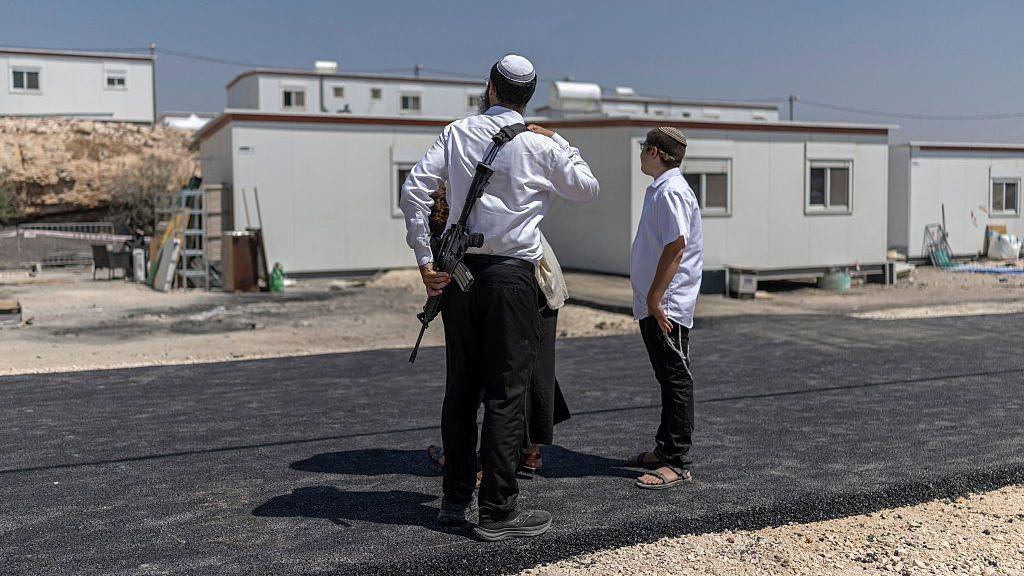
Israel has issued tenders for some 1,200 new settlement homes. The dismantling of international pressure has led to a surge in construction, with estimates of 185 new buildings in the north‑western settlement of Tzofim since 2022.
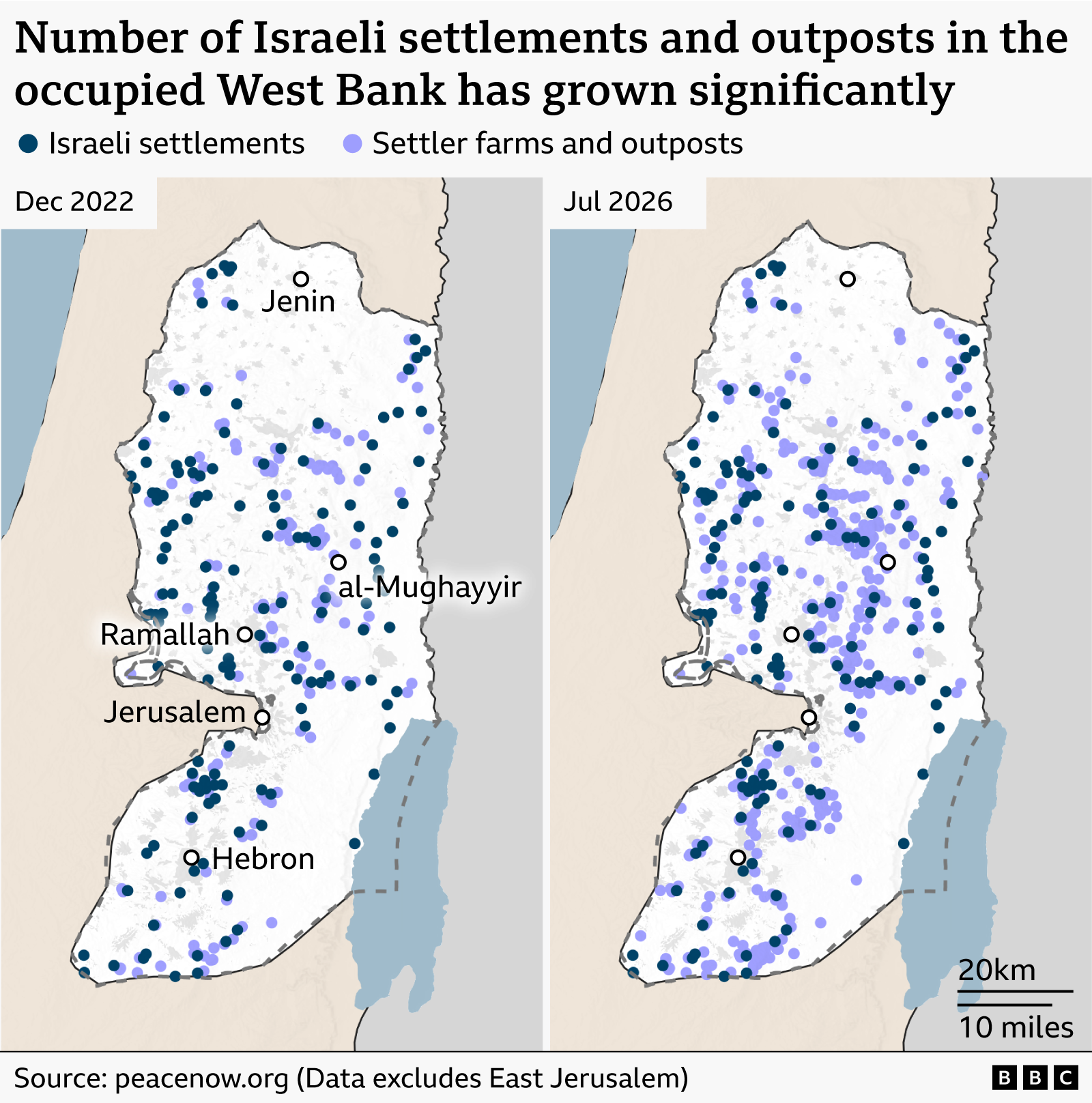
All Israeli settlements are illegal under international law, but the number of Jews living in the West Bank has doubled since 1967, totaling over 700,000 in about 160 settlements.
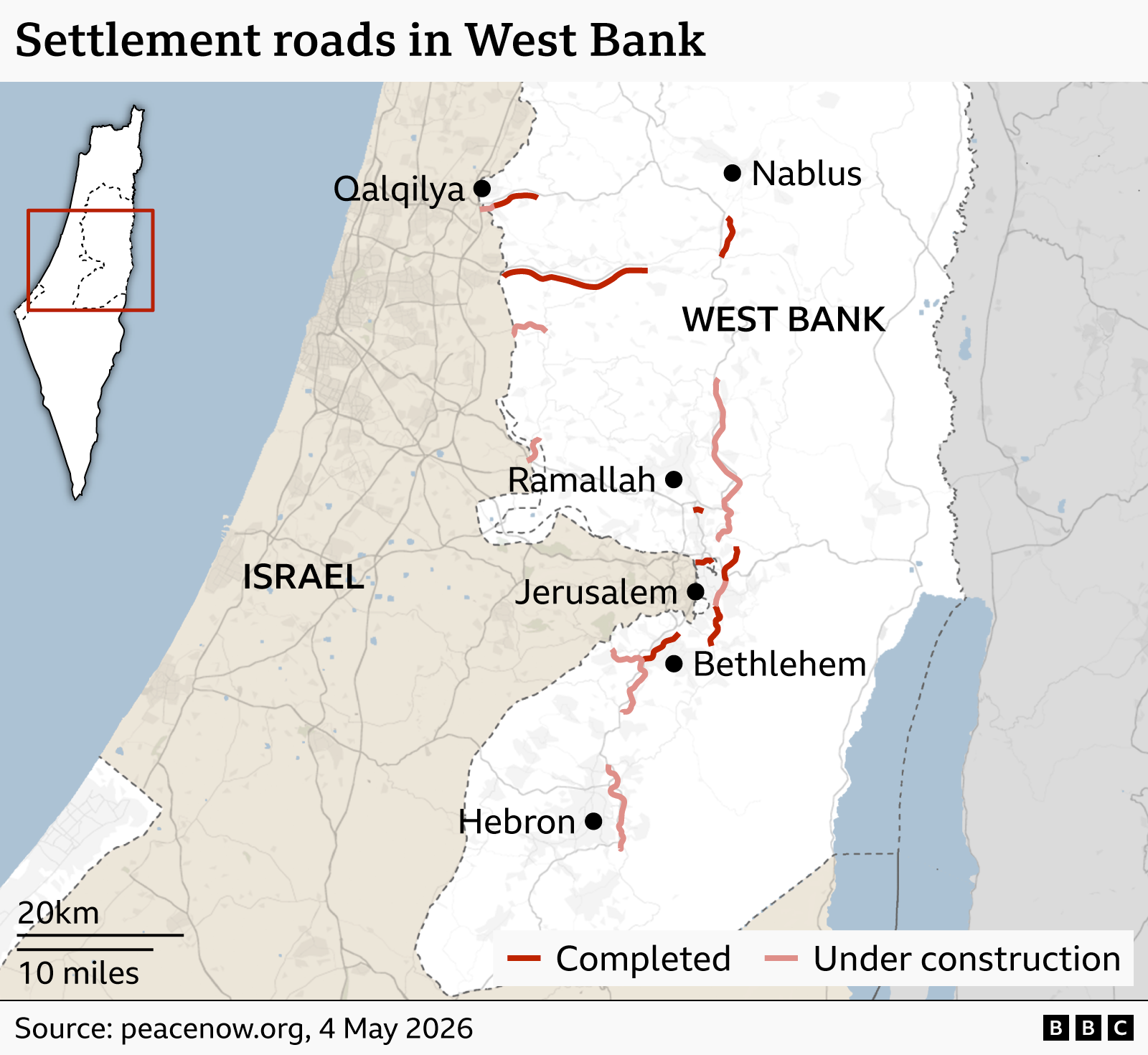
The UN Secretary General described the settlements as an “existential threat” to Palestinian statehood, while a joint statement by the UK, France, Germany, Italy, Canada and the EU called the plans unacceptable, warning they would fracture the West Bank into non‑contiguous regions, isolating East Jerusalem.
Palestinian Authority President Mahmoud Abbas urged a halt to the E1 project and called the initiative a deliberate strategy to make the creation of a independent Palestinian state impossible.
From a multi‑perspective view:
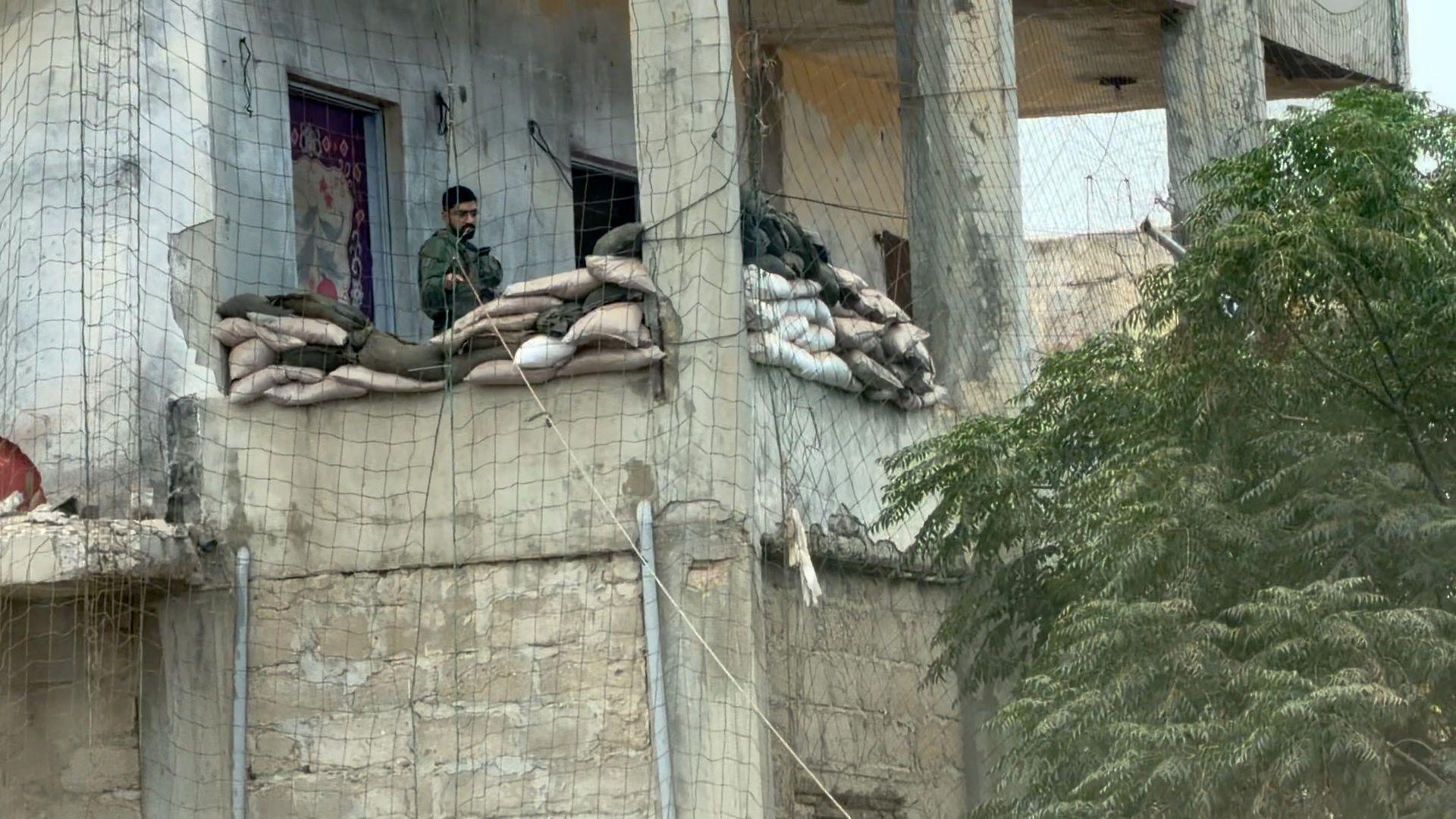
- Israeli policy: Led by Finance Minister Bezalel Smotrich, a right‑wing coalition seeks to solidify sovereignty by building roads and outposts to make “facts on the ground” hard to reverse.
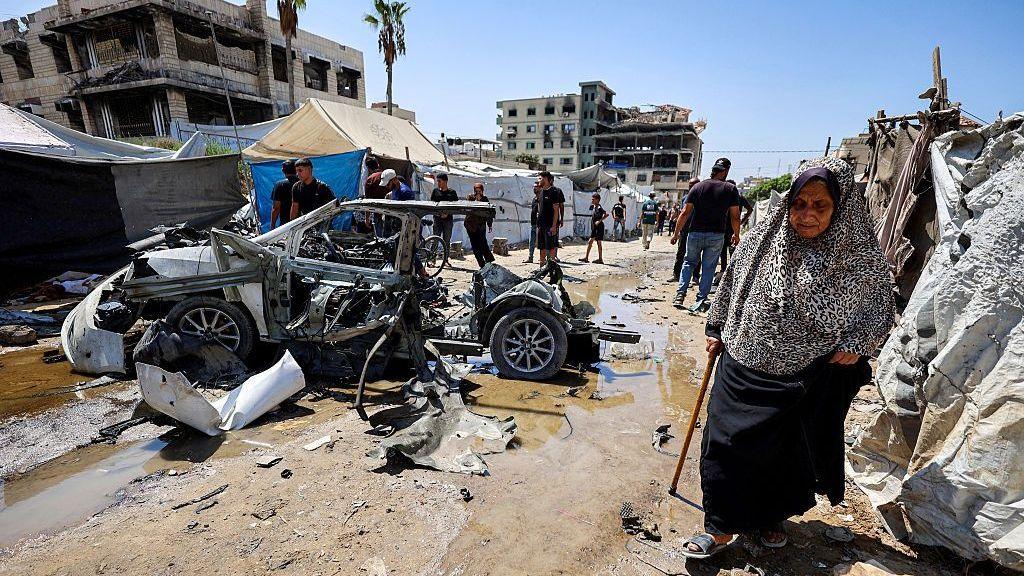
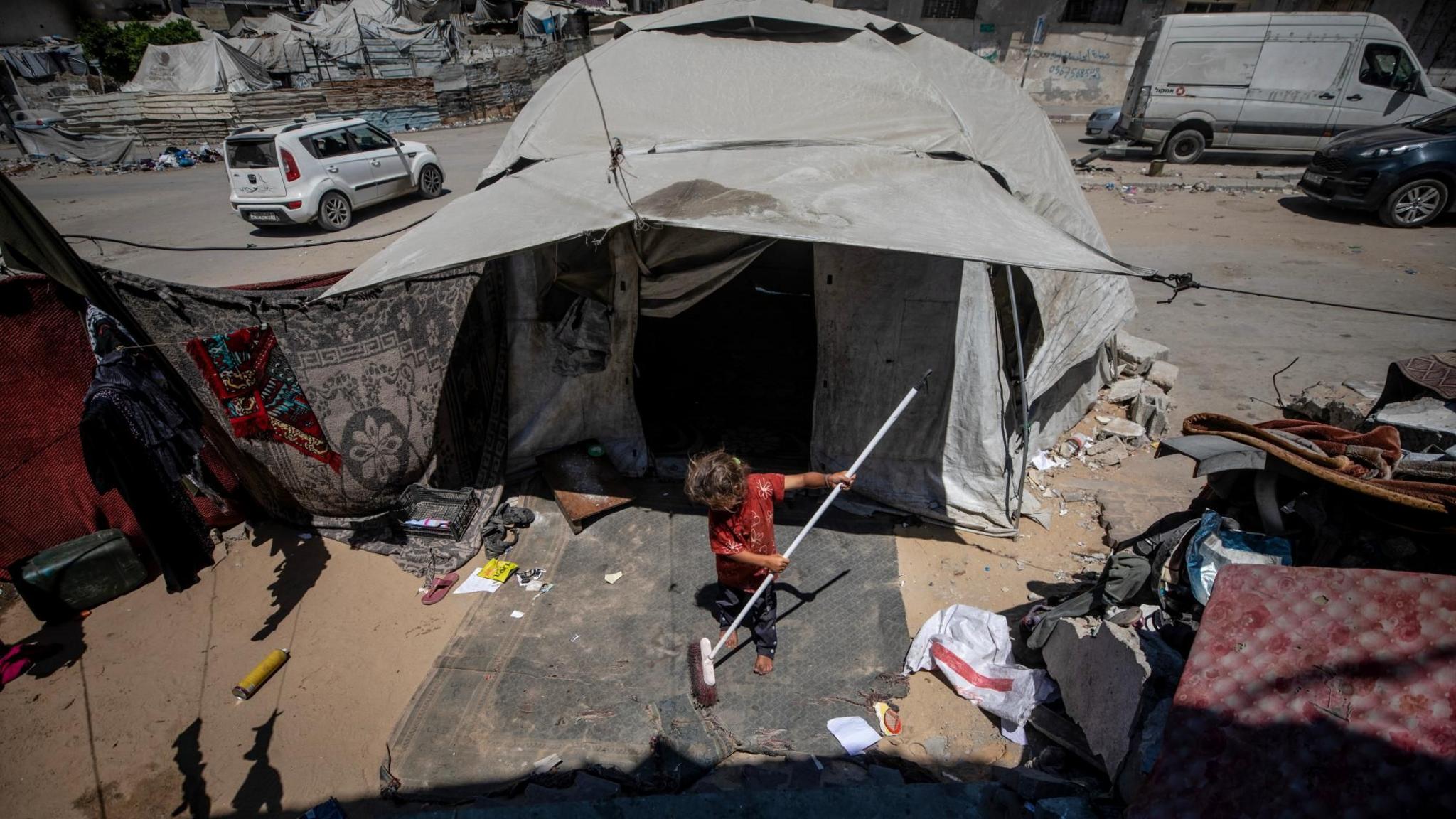
- Palestinian response: The expansion is viewed as an illegal encroachment that threatens the ability to form a contiguous, viable state and has spurred incidents of settler violence.
- International legal stance: Both the UN and EU reaffirm that settlement activity breaches the Fourth Geneva Convention and undermines the two‑state solution framework.
As Israel approaches its upcoming elections, the government may push these moves to energise its base, hoping to forge an irreversible reality on the ground. Critics warn that such “facts on the ground” erode prospects for a future Palestinian state and could destabilise the region further.