In brief
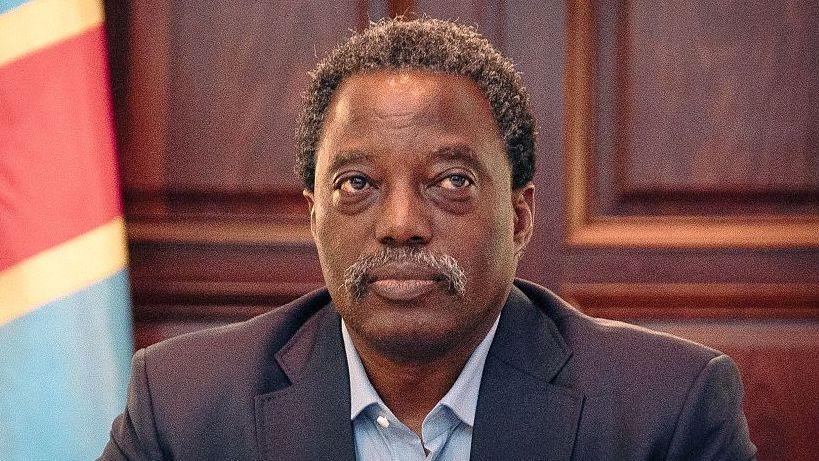
Former Congolese president Joseph Kabila has been named the head of the Front for the Refoundation of the Nation (FRN), a newly unveiled rebel coalition that aims to overthrow the current government. The FRN, announced in Goma, includes key M23 figures and vows to end what it calls a tyranny, even if that requires armed struggle. Kabila’s move follows a death‑sentence in absentia for treason and his recent rejection of ties to M23, marking a sharp escalation in the country’s long‑standing conflict. With more than 100 militias active in eastern Congo and looming elections, the announcement heightens uncertainty over national stability and the future of democracy.
In a country simmering with militant activity and political uncertainty, former president Joseph Kabila has stepped back into the spotlight as the declared leader of the Front for the Refoundation of the Nation (FRN). The coalition was unveiled Monday in a press conference at Kabila’s residence in Goma, the largest city in eastern Democratic Republic of Congo, where it pledged to coordinate a united front of “resistance forces” to overthrow what it terms a tyrannical regime.
Kabila, who ruled the country from 2001 to 2019, has openly accused President Félix Tshisekedi’s administration of ignoring his proposals, eroding constitutional rule, mismanaging the economy, and committing arbitrary arrests of opponents. The FRN’s charter explicitly admits the use of force if necessary to achieve its end.
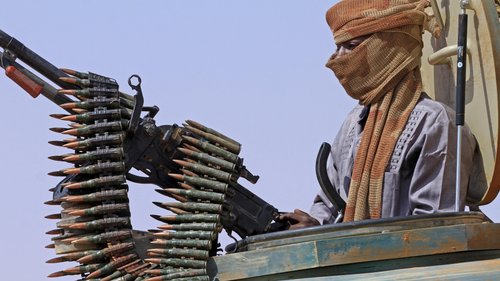
The coalition’s leadership includes M23 commander Sultani Makenga as one of Kabila’s four deputies, linking the new movement to the powerful mineral‑rich eastern provinces that M23 has held since last year. With more than 100 militia groups scattered across the region, the FRN’s entry into the conflict could shift the balance of power and further destabilise a country still reeling from years of war.
Tshisekedi’s second term is slated to end in 2028, but he hinted this May that elections might be postponed due to conflict, and parliament recently passed a bill that could pave the way for a referendum removing the two‑term limit. The political landscape is rapidly evolving, and the emergence of the FRN has generated fresh concern among analysts and civil society alike.
Kabila said in a follow‑up address that he would outline a clear plan for Congolese citizens to “rescue” their country, signalling a new phase of the ongoing struggle for governance in DR Congo. The international community remains closely watching for reports of violence and for any shift in the region’s fragile security environment.