FIFA scrambles to halt controversial World Cup investment plan
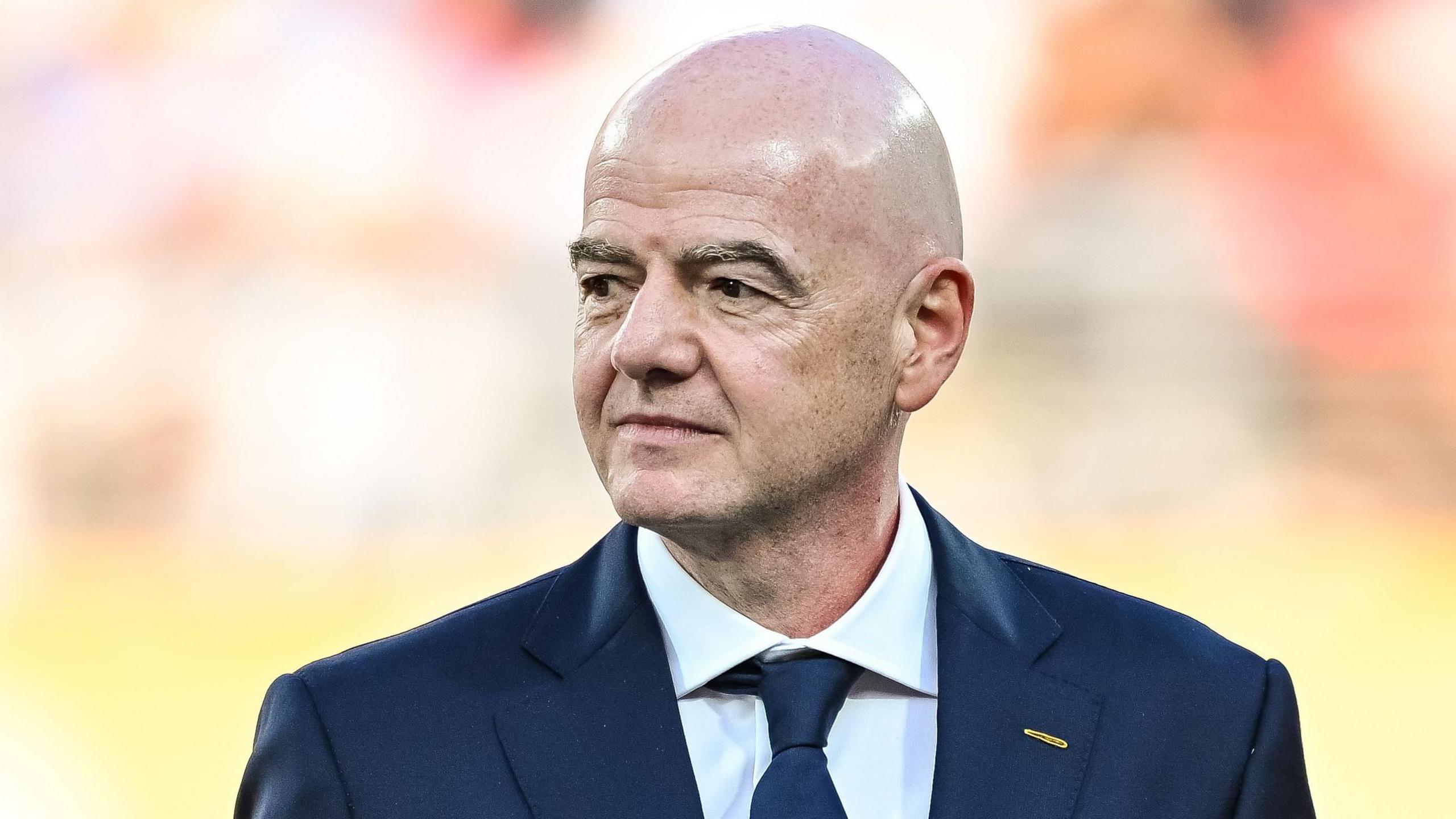
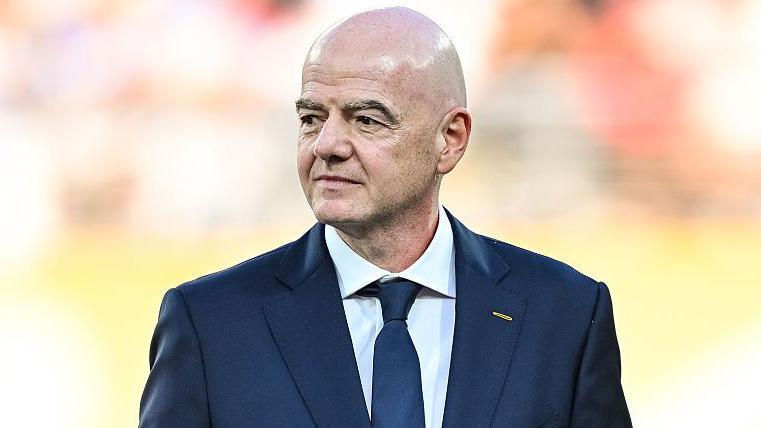
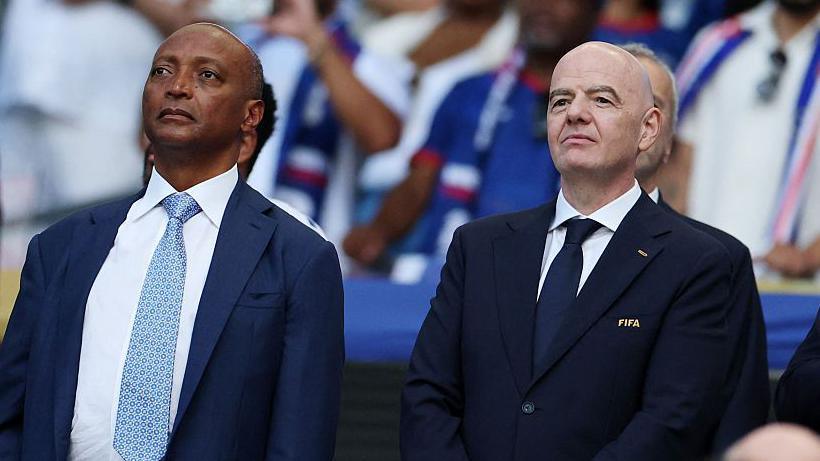
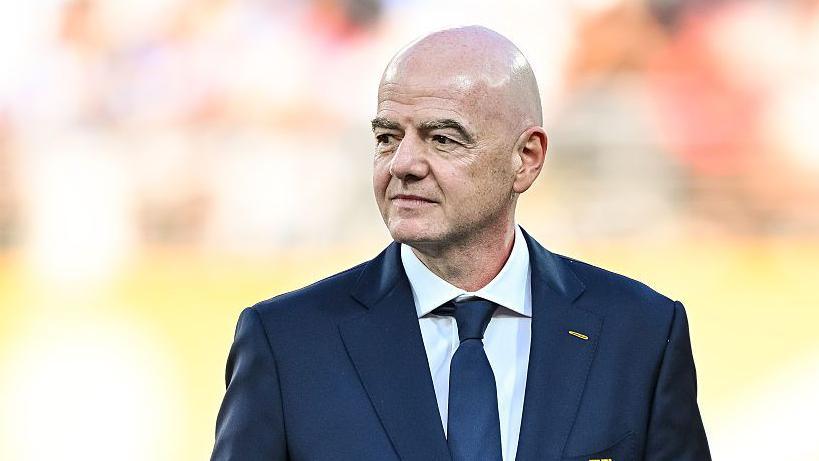
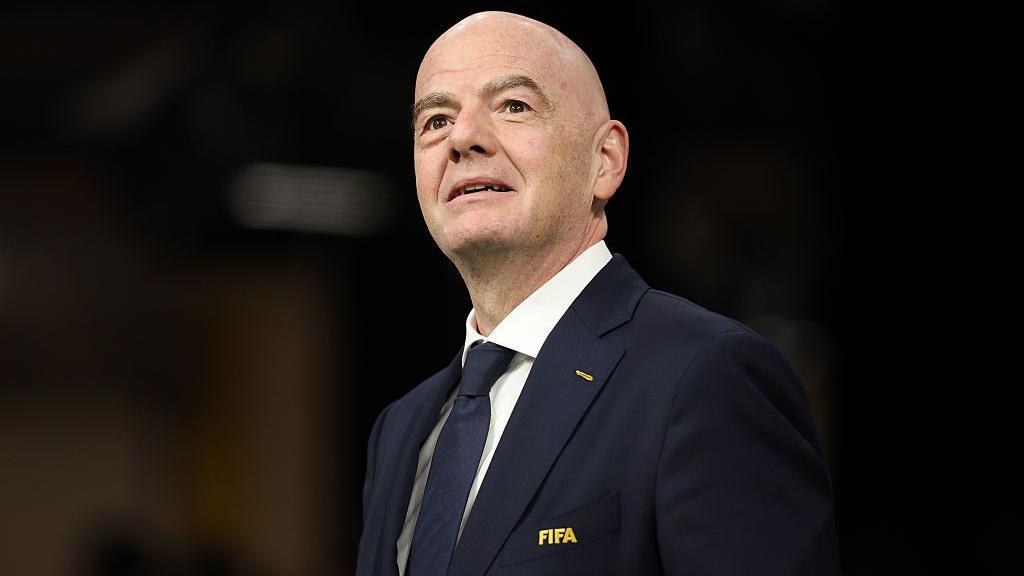
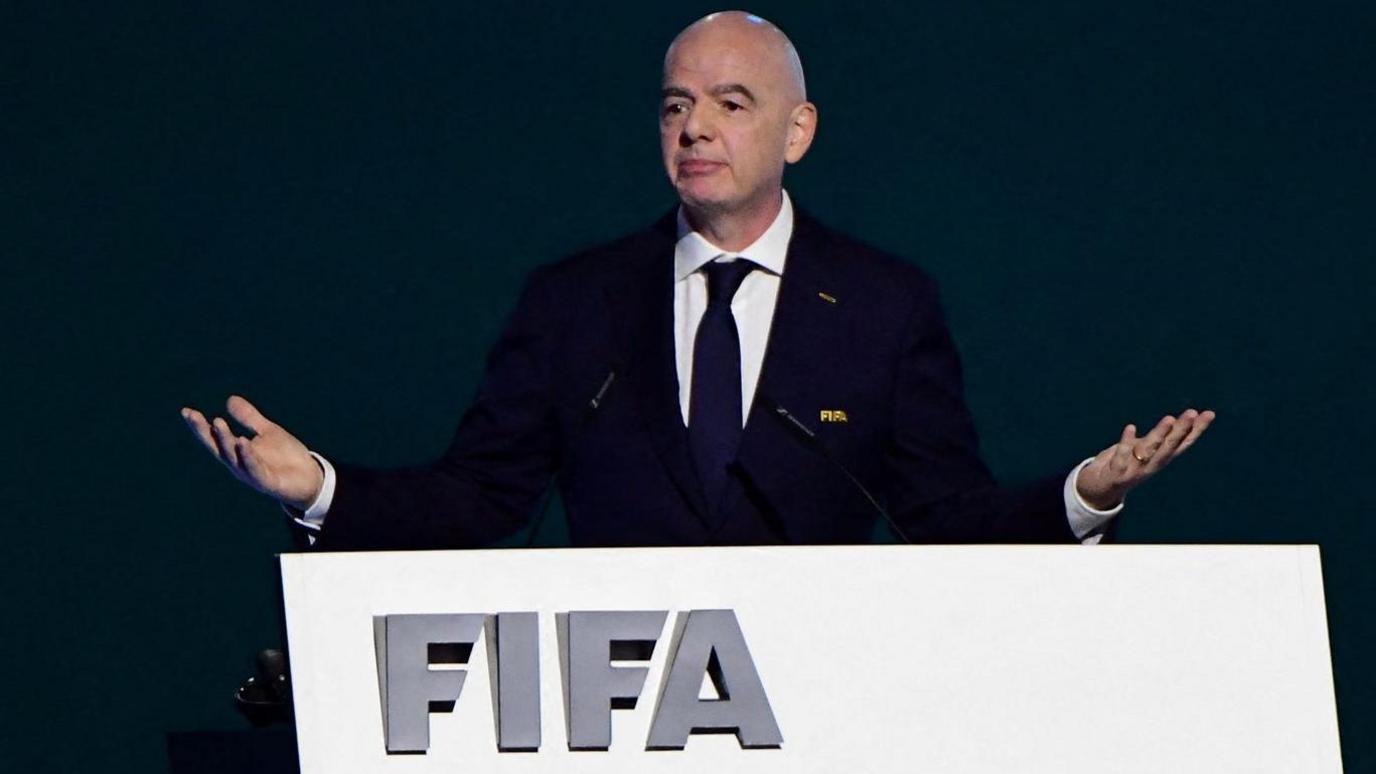
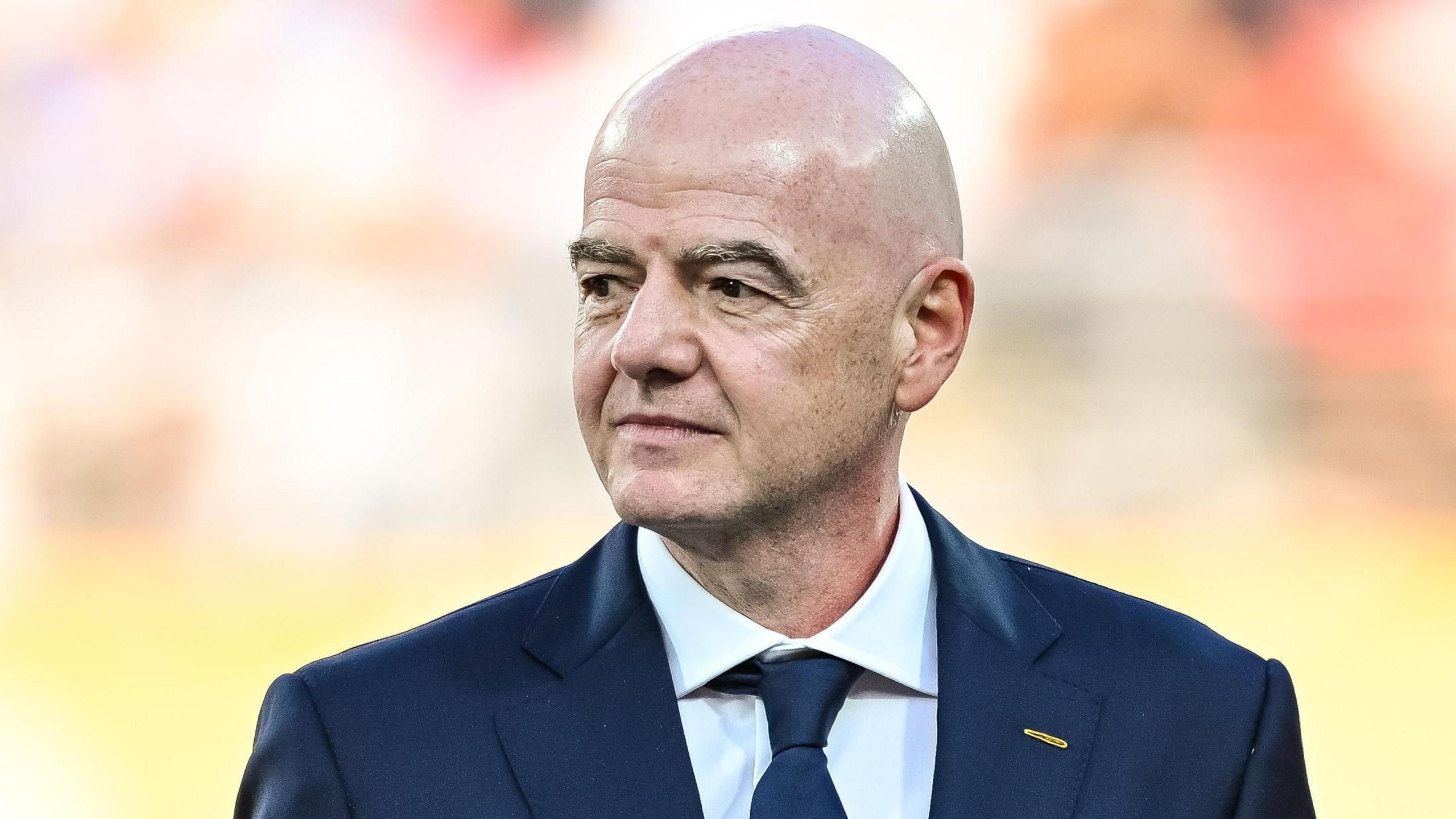
FIFA president Gianni Infantino has announced that a proposed investment scheme for the World Cup will not go ahead, citing the backlash and the divisions it has created within the sport. The plan, which would have allowed private investors to buy stakes in FIFA’s flagship tournaments, was unveiled in late July and was met with fierce opposition from leagues, national associations and several confederations.
Under the proposal, all 211 FIFA member associations would have received about 40 million dollars if they backed the initiative, and could have accessed an initial 20 million in funding by September at the latest. Critics, however, argued that the concessions would strip the sport of essential decision‑making power and favour commercial interests over players and fans.
UEFA, the governing body for European football, voted to boycott a World Cup if the plan moved forward and called it a violation of the sport’s values. CONCACAF and the Asian Football Confederation echoed similar concerns, with several member nations expressing a lack of faith in Infantino’s leadership. In response to the mounting pressure, senior adviser Carlos Cordeiro resigned, calling the plan a “bad deal for football.”
Infantino’s own goal was to create a commercial subsidiary – dubbed the FIFA Forward Enterprise – that would have opened the door for external investment, reportedly around 24 million euros per national association over a five‑year cycle. The proposal was detailed in a 25‑page document prepared by JP Morgan, which neglected to mention women’s football and raised questions about inclusivity.
According to the president, the decision to pull back was necessary because the project “created divisions” that were no longer aligned with FIFA’s original objectives. He also said he would seek to bring all stakeholders together again in a spirit of “shared interest.
The move comes just weeks before the FIFA Congress in Morocco, where Infantino will face re‑election for a fourth term. The backlash could affect his standing and impact the broader dialogue about the role of private capital in global football. The controversy highlights challenges that arise when sporting bodies balance financial imperatives with governance and fan trust.