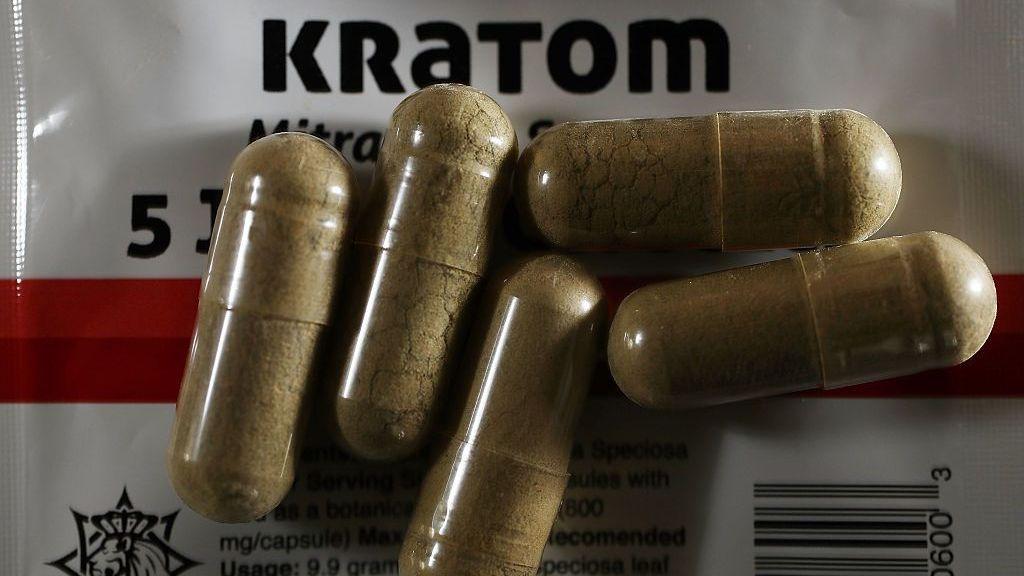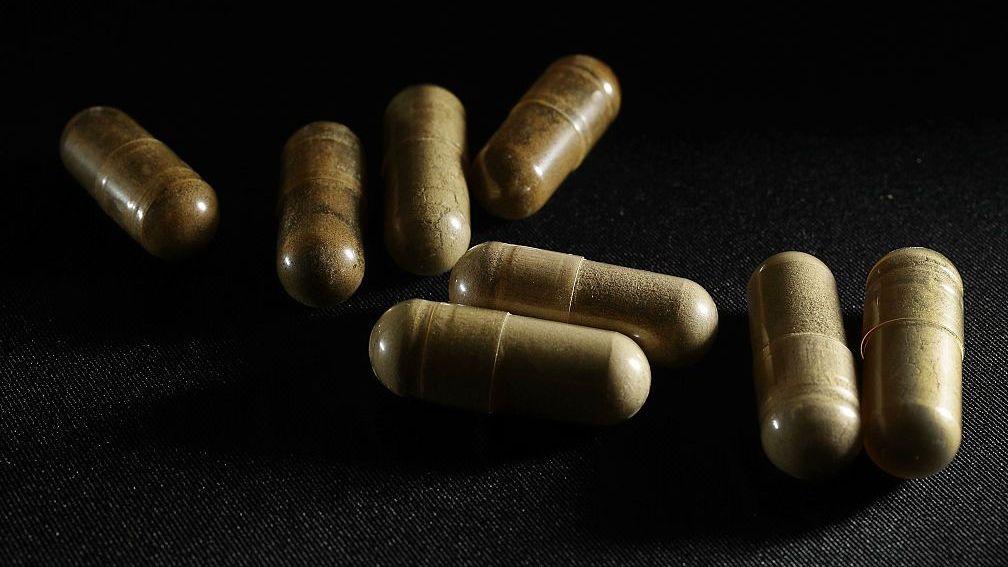
On September 21, a University of Mississippi student was found dead in his dorm, the authorities said the cause looked consistent with a drug overdose. A second student died the next hour in a separate location, again from a suspected overdose.
Law enforcement said the victims’ rooms contained packages of tablets that investigators identified as kratom derivatives. The items were linked to a local vape, tobacco and beer store that employs Yahya Mohamed Mosleh, 51, and his son Islam Yahya Mosleh, 18.
The pair were charged with possession with intent to distribute controlled substances under federal law. Prosecutors argue that the pesticides—MGPI, MGM‑15 and MGM‑16—are now Schedule I drugs and are considerably more potent than natural kratom leaves.
While kratom is legal in states like Mississippi, it is not regulated by the U.S. Food and Drug Administration. Many states, however, have moved to tighten restrictions on its use. The U.S. Department of Justice has issued public warnings that certain kratom products can act like powerful opioids, earning the nickname “gas station heroin.”
The incident has sparked a debate among student advocates, campus health officials and drug‑policy experts. Some argue that the arrests signal the need for clearer regulation of over‑the‑counter herbal supplements that can easily become toxic when adulterated. Others fear that such moves may criminalize minor or accidental use and shift the focus away from broader drug‑education programs.
For Mississippi, the case may compel lawmakers to review the legal status of kratom and ensure that local businesses can police the sale of potentially dangerous products while providing students with reliable information about substance safety.